
Hamilton Park is a unique community.
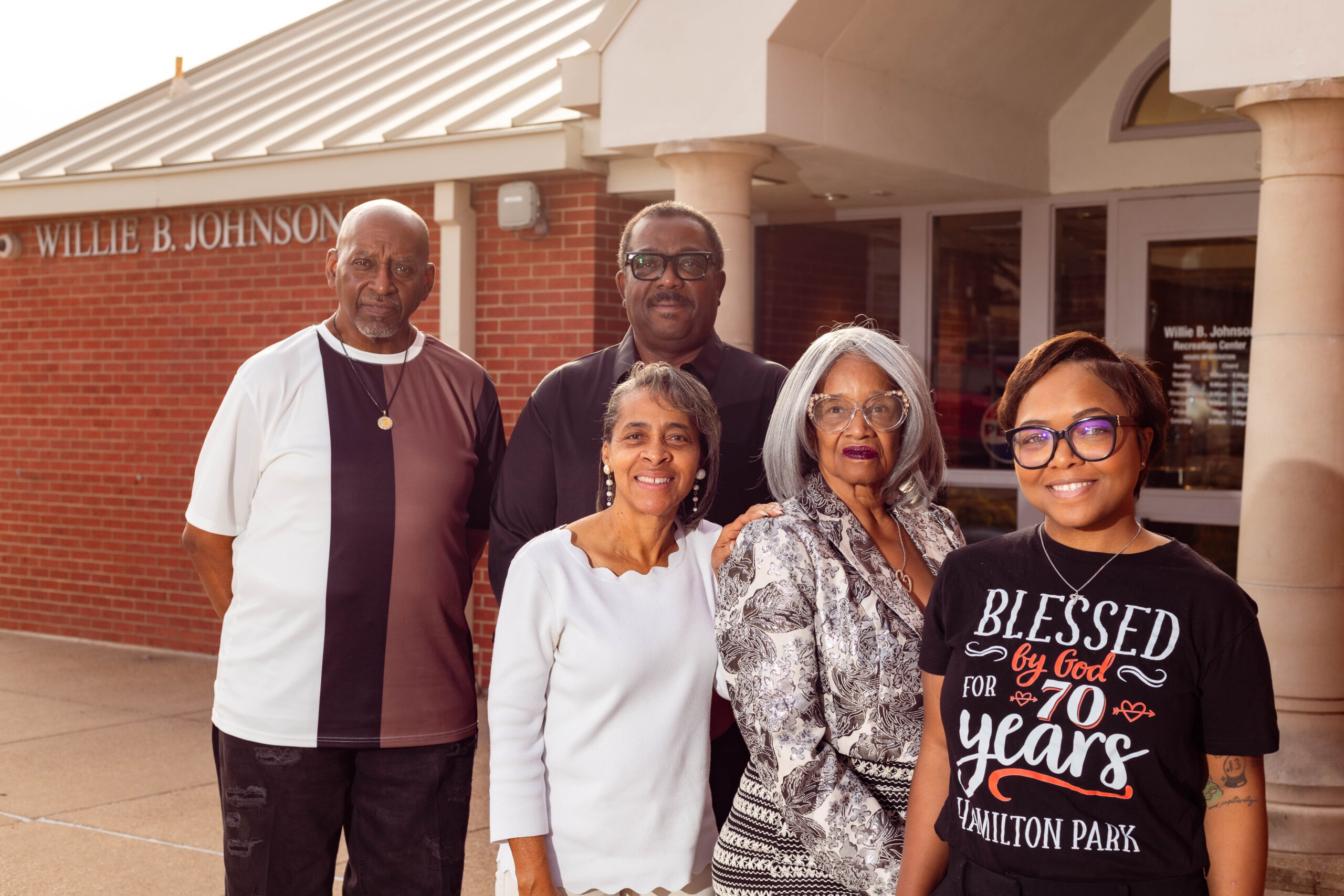
Photography by Jessica Turner
It’s unique in the way it provided working and middle class Black families a safe haven from bombings in South Dallas and development in West Dallas in the early 1950s. It’s unique in that, while other historic communities like Deep Ellum, Tenth Street and Elm Thicket have given way to gentrification, Hamilton Park has stayed true to itself. In conversation, neighborhood geography still revolves around knowing whose grandmother lived in which house and where childhood memories were made.
And just like their parents and grandparents, residents still take pride in advocating for and representing their 233-acre pocket of northeast Dallas.
“Being from Hamilton Park, you just feel like you have to do it,” says Taler Jefferson, Hamilton Park Civic League president and fourth-generation resident.
“When I go out into the world, and how I present myself, how I carry myself, I want people to know two things: One, I’m a Jefferson because of how I carry myself, and then two, I’m from Hamilton Park because of how I carry myself.”
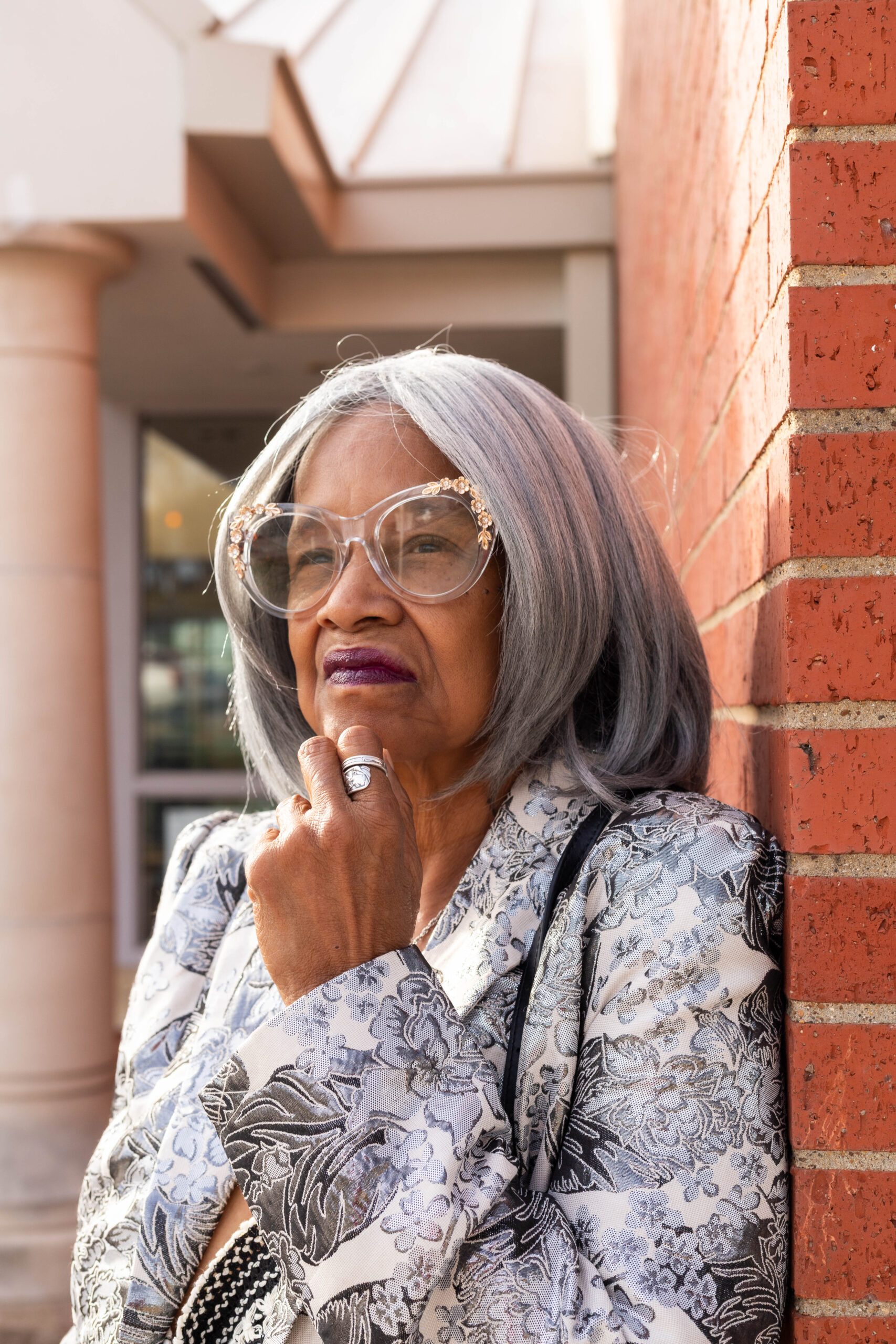
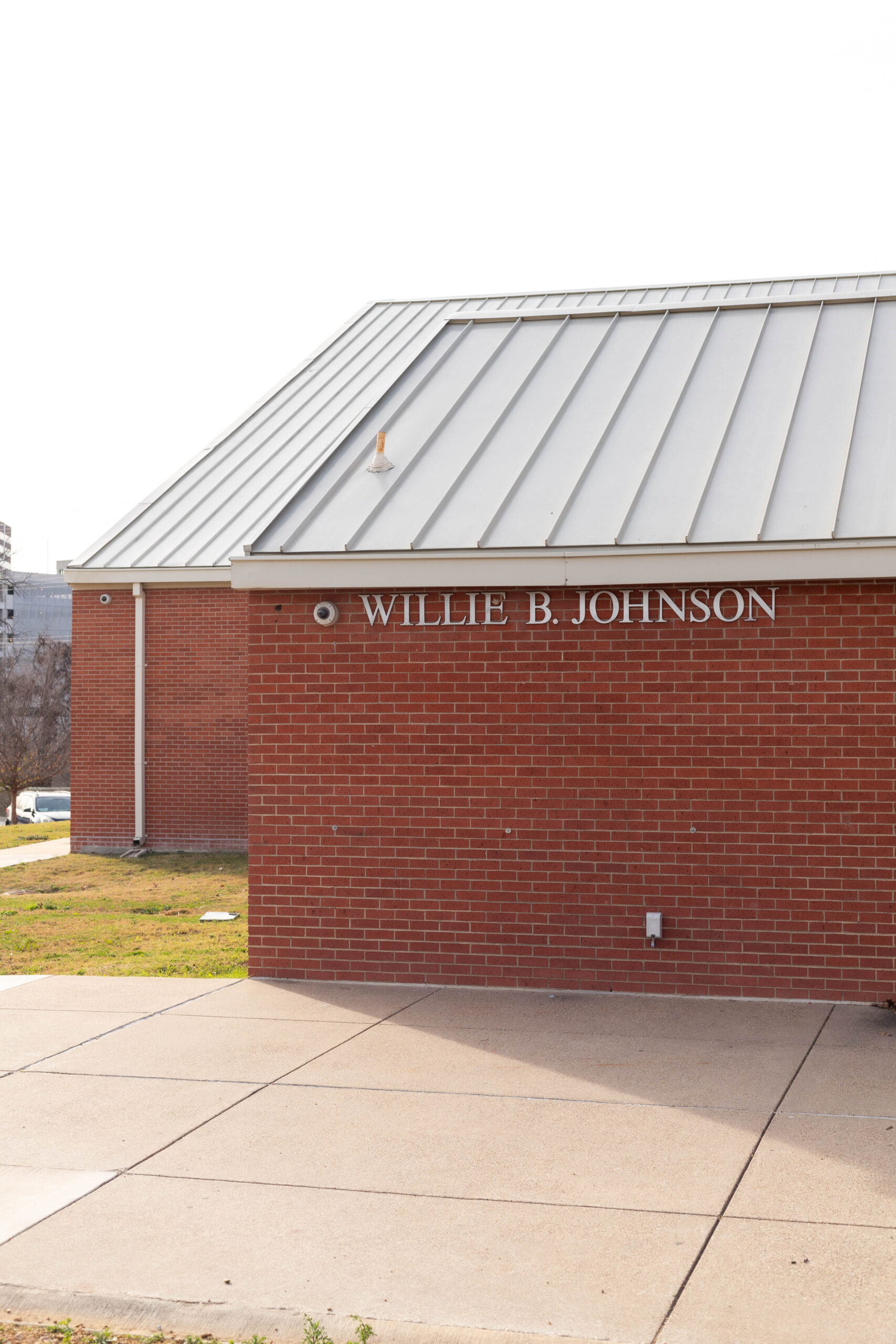
The Civic League operates more as a service organization for the neighborhood than a traditional HOA, with monthly meetings offering connection to City resources and departments.
“We don’t put any pressure on the citizens, and I think as compared to an HOA or formal type of organization, you are always looked at as a friend and not as a person that, if I say the wrong thing, I’m going to be in trouble,” Vice President Clayton Williams says.
It’s been a common thread in each chapter of Hamilton Park’s history. Claudia Gaines, the first elected president of the nonprofit, was sworn in before most families moved to the neighborhood in 1954. And for its current president, pride and advocacy don’t exist in a vacuum. They’re highly interconnected aspects of a story 71 years in the making.
Yesterday
“The big thing that my uncle would say is we were able to pick out the color of our homes, and that’s something that they take pride in,” says Jefferson, who still lives in the house her great-grandparents bought in 1955.
At the same time as racial violence in the 1940s and ’50s began to drive families out of South Dallas’ Bonton neighborhood, aptly referred to as “Bomb town” at the time, Black communities in the Love Field area, Deep Ellum and present-day Uptown were torn down for runways and interstates. In a 2021 D Magazine article, late editor Zac Crain wrote that over 800 homes in Elm Thicket, Deep Ellum, Bonton and North Dallas were demolished from 1947 to 1956.
The drastic upheaval created a desperate need for housing in then-deeply segregated Dallas. In 1953, after City officials, developers, philanthropists and community organizers came together to locate a site for Dallas’ first planned Black subdivision, Mayor R.L. Thornton christened Hamilton Park as “the dawn of a new day in Dallas” at its 1953 dedication. By the time construction ended in 1961, the community boasted 750 single-family homes, an apartment complex, a shopping center, a park, a 12-grade school and several churches, according to the Texas State Historical Association.
“For most of us, this was the first house we ever owned,” original homeowner Dymris McGregor told the Advocate in 2019. “We were so proud. We worked so hard and saved our own money. To be able to buy your own house was a dream come true.”
While residents valued their slice of the American Dream, they also took pride in being part of a tight-knit community that revolved around church and, above all, the Richardson ISD Hamilton Park School.
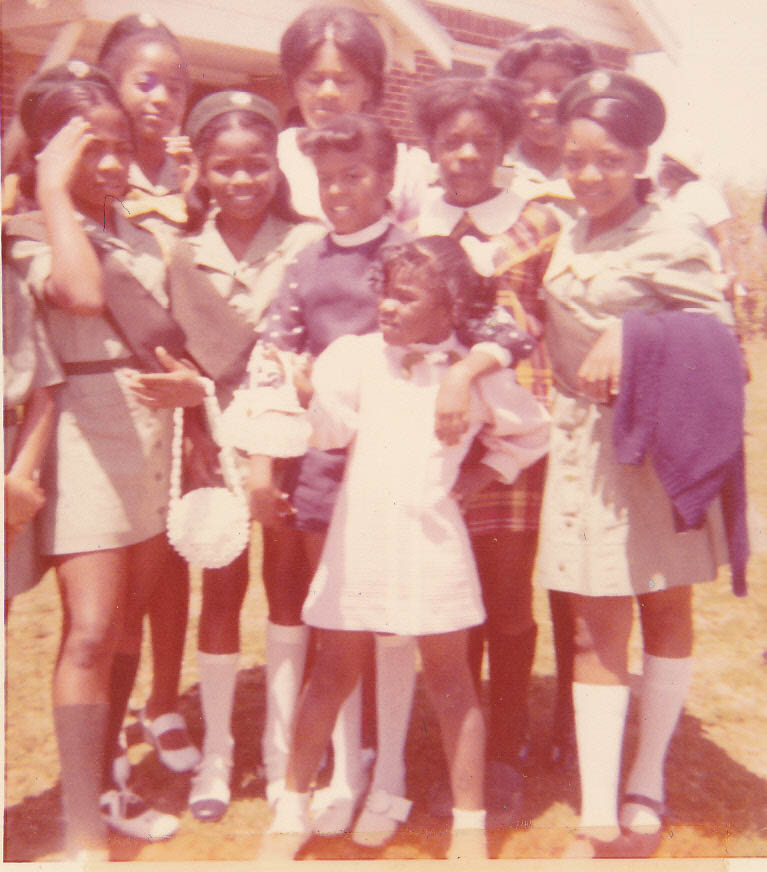
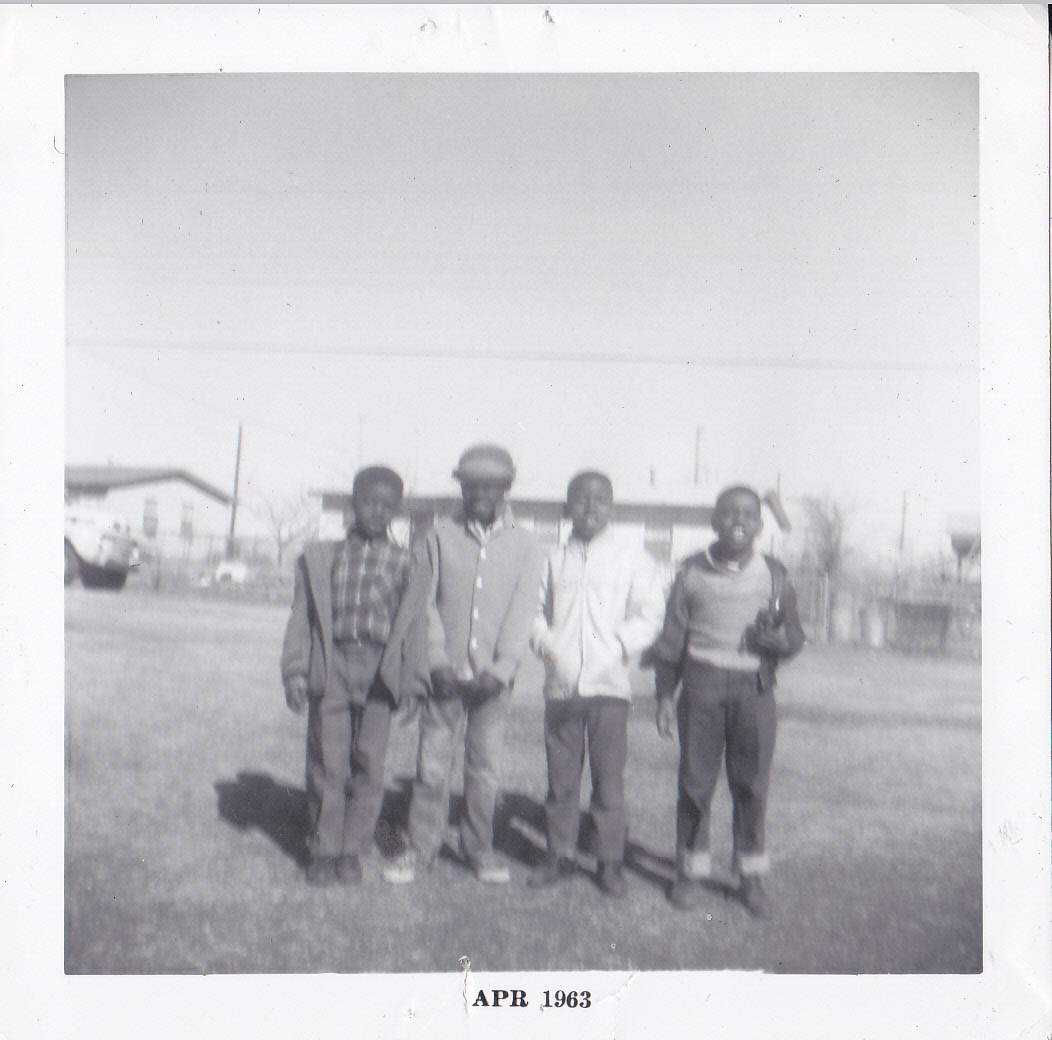
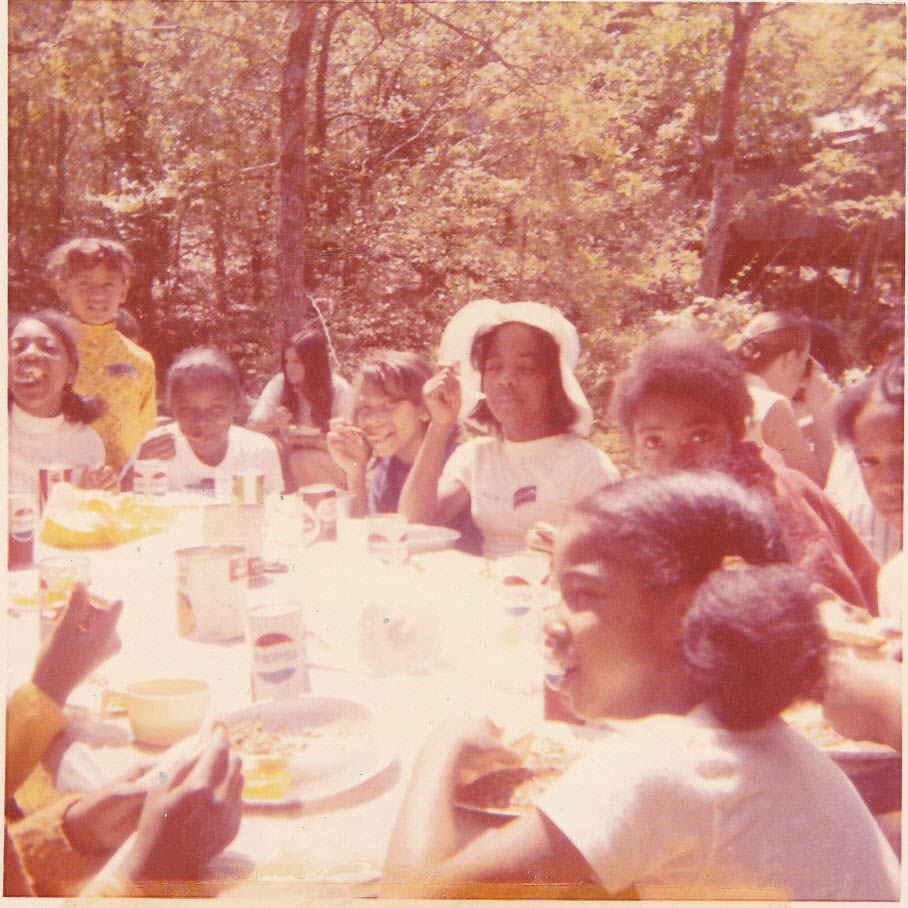
Photos from Advocate archive
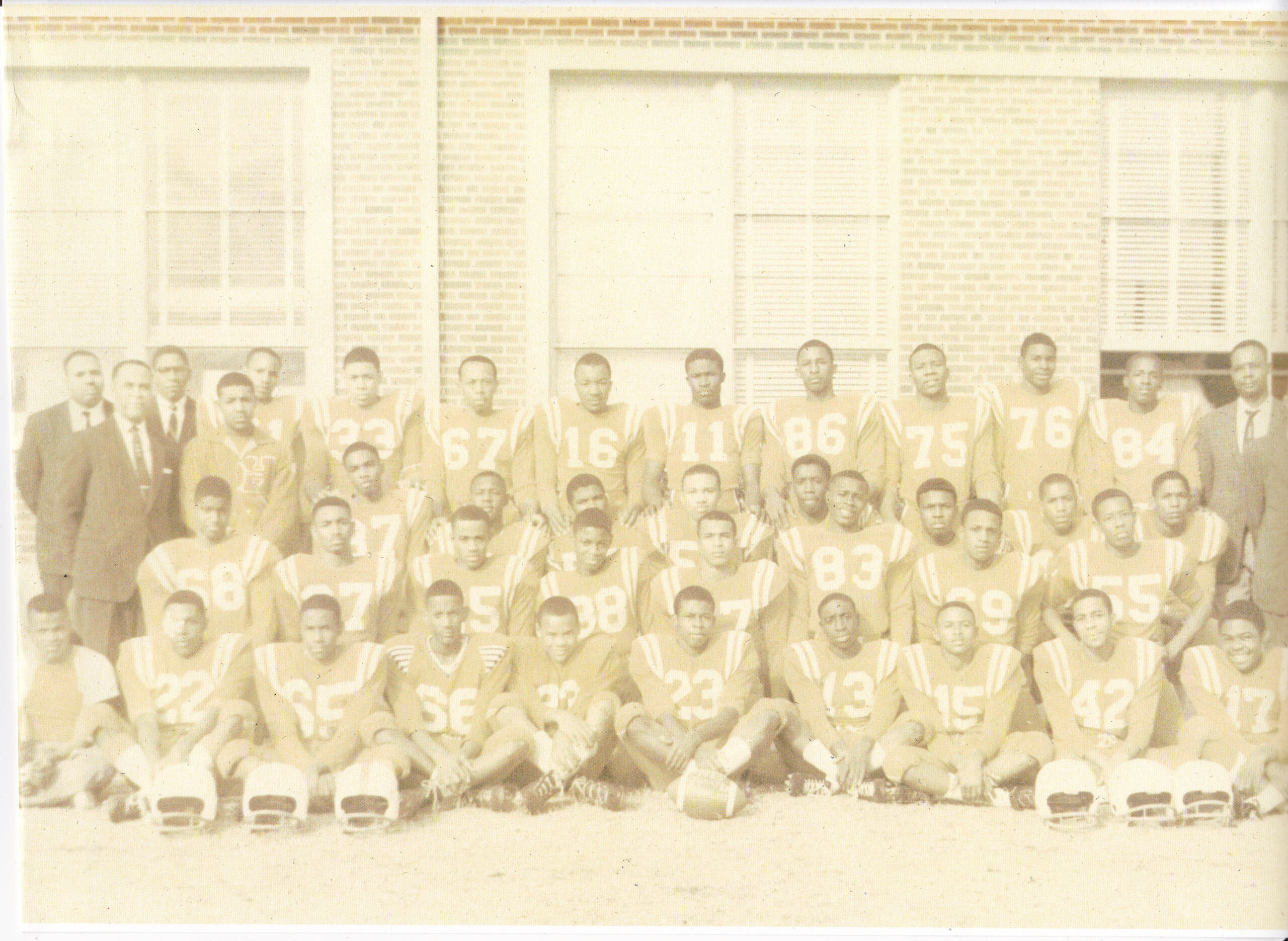
1961 State Champs
Civic League Treasurer Billy Williams’ parents were among those who left South Dallas for Hamilton Park in the ‘50s. He says even after desegregation sent his school bus to Richardson High School in 1969, the community still traveled north to support its sons in force.
“It used to be a big thing because the community traveled to the football games, even after we started going to Richardson and Lake Highlands, because those were the only two schools that were involved in desegregation,” Williams says.
Today, the school lives on as the Hamilton Park Pacesetter Magnet, in part due to the communities’ fight to keep it open after bussing closed the elementary school, according to a 2019 Advocate interview with Hamilton Park neighbor and desegregation committee member Curtis Smith.
At the front stands a Texas State Historical Association marker commemorating Hamilton Park’s place in Dallas history. Its conclusion reads: “Since the 1950s, the Hamilton Park Civic League has served the community residents, connecting them with City of Dallas resources, encouraging voter registration and turnout, and planning community events. This sense of community and pride among residents helps preserve the heritage and legacy of the original homeowners.”
Jefferson feels the weight of that legacy and the responsibility to carry on the work of those trailblazers, as she calls them. But the thing that she most remembers them for? Generosity.
“I just remember my grandparents’ [house] always being just full of people, and my watching my grandparents just give, give, give, give, give,” Jefferson says. “And so that kind of transferred into me and my uncle. My uncle is like, ‘OK, we got to give because that’s just how we were raised.’”
Today
The Civic League is currently governed by a six-person board, with yearly membership fees coming out to $10. Among the objectives laid out in its original bylaws from 1954, one holds special relevance to its continuing mission. It reads, “To present to any and all organized bodies, including the city, county, state and federal governments, such petitions as are deemed necessary for the continued improvement of this community.”

Photography by Jessica Turner
Williams has gotten the neighborhood’s baseball diamond restored by Park and Recreation following a storm and coordinated with Code Compliance to tame messy lawns in the past, so he’s no stranger to dealing with the City of Dallas. That’s where the organization truly finds its stride, he says.
“I see us as a service organization. We have no power to command or demand, but we are in a position to ask for the community so that the citizens feel like they can bring their troubles to us, and we may not be able to fix it, but we’ll at least start a direction on what we can do,” he says. “I think that’s where the Civic League helps the community more than anything.”
Eight meetings are hosted annually at Willie B. Johnson Recreation Center, each falling on the third Tuesday of the month. At the meetings, neighbors can connect with board members and City departments such as Code Compliance and the Dallas Police Department.
“These people will come down there and answer these questions for you, these directors and stuff,” Jefferson says.
Code Compliance is often in the most demand, she says, due to questions on violations and enforcement, although the league also regularly coordinates with local neighborhood police officers (NPOs) from DPD.
In recent years, the board has begun handing out resource packets filled with City Hall numbers and information at meetings. In doing so, the league is trying to help neighbors advocate for themselves. “People will start there first, and then that gives them an empowerment to feel like they can do that,” Jefferson says.
Jefferson and her board maintain regular contact with elected officials in the area to help steer resources to her community, which she says points to Hamilton Park’s reach.
“Some of the things that I hear in like these other districts and stuff, I’m like, ‘Well, just contact your council member?’ And they’re like, ‘How do I get in touch with them?’ We don’t have those problems.”
On rare occasions, the league mobilizes to address problematic neighbors. In these cases, the organization coordinates with City departments and dialogues with landlords to address things like noise complaints, junk and suspected criminal activity.
The organization is so ingrained in Hamilton Park that people often think all residents are automatically given membership, Jefferson says. But even if they haven’t paid $10 or hold a membership card, the organization isn’t turning people away.
“Come get the resources. We’re not going to tell you no,” Jefferson says. “If you want to be part of it, you’re part of the Civic League. And we have people who are not even from Hamilton Park that are part of the Civic League.”
Tomorrow
Jefferson says the league will look to engage a younger generation in the aging neighborhood in coming years in order to continue the legacy of its founders. Finding a successor will be first and foremost in her mind through the process.
As a whole, Hamilton Park now stands largely alone as a living neighborhood in a city where many historic Black communities now sit marked by only a plaque. Jefferson says the ongoing risk of gentrification worries her, but that a sense of community responsibility has battled off large scale developers so far. In March 2025, the City Plan and Zoning Commission denied a request to build fourplexes in the neighborhood after significant resident outcry, in which Jefferson was outspoken.
She hasn’t forgotten the significance of Hamilton Park’s past and won’t take her eyes off of its future.
“We come together. We stick together, we have a lot of pride in our neighborhood where it’s just not going for it. …A lot of these other neighborhoods have been either gentrified or are completely just something different,” Jefferson says. “I feel like that’s a true testament to what my great-grandparents all set out for, and that’s why we’re still here. I’m pretty sure we’ll be here another 70 years.”
