

When he came to study music performance at Louisiana State University from Romania, Ion Zanca’s peers made assumptions about where he was from.
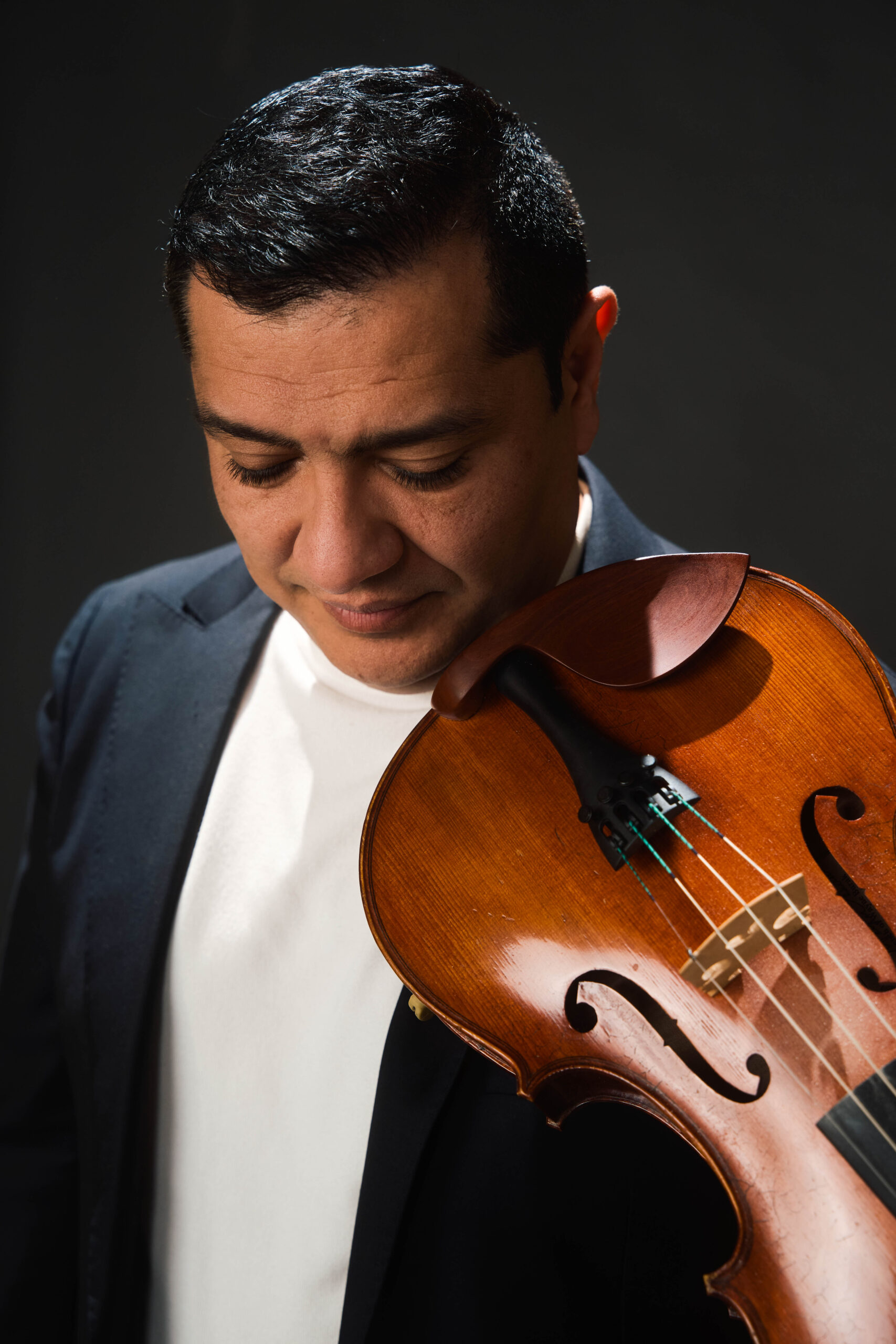
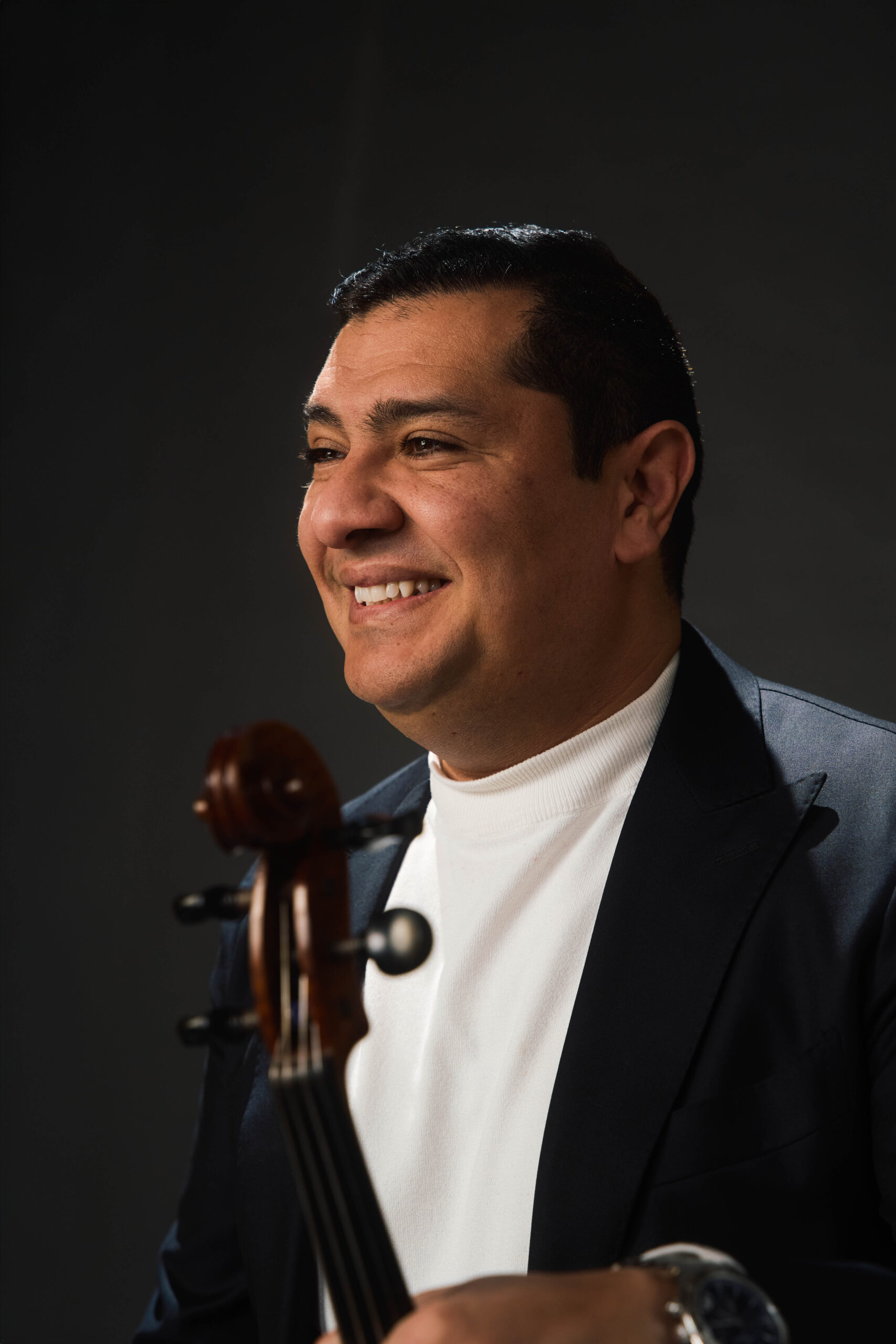
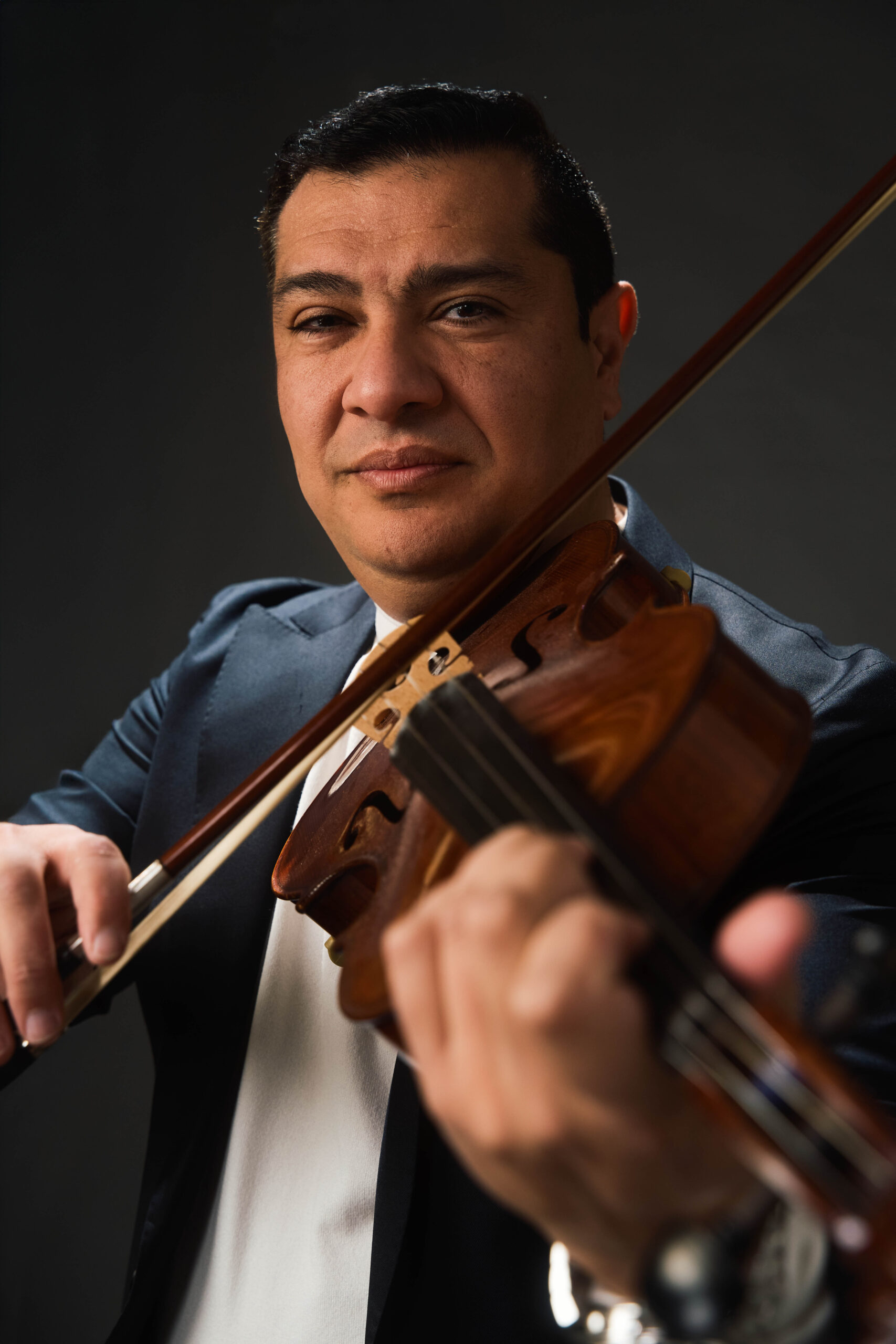
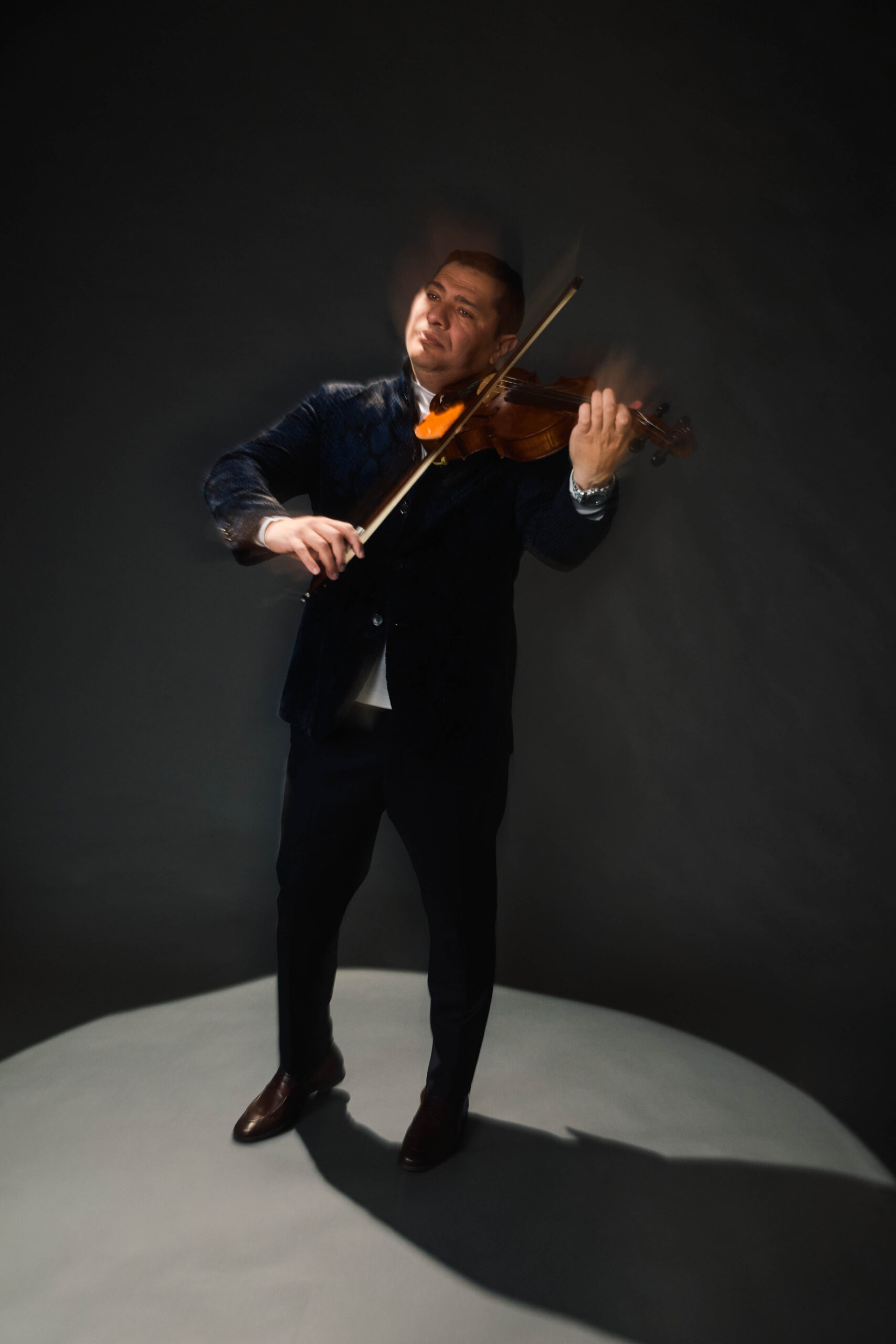
Photography by Ethan Good
Zanca was in school when the 9/11 terrorist attacks happened. He laughs as he remembers his peers looking at him with suspicion because of his darker complexion as he carried his instrument case around.
“I was like, ‘Oh, I’m from Romania,’” the 45-year-old Lakewood neighbor says. “‘It’s a different part of the world.’”
The career musician’s culture isn’t just a footnote in his biography. Understanding his heritage and the violence Romanis suffered is what moved him to compose the album Romani: The Untold Story, featuring the Dallas String Quartet (which he created) and the London Symphony Orchestra. He says this project, which came out in 2024, is among his best work.
“I wanted my son to know his heritage,” Zanca says, “why we’re better at music than football.”
The viola player got to Dallas in 2003 when he transferred to Southern Methodist University, where he earned his bachelor’s and master’s degrees. In addition to the Dallas String Quartet, he founded Q The Band, Sapphire String Quartet and the music agency IMZ Artists. He plays in Q The Band and Dallas String Quartet, which ironically has more than four members and is made of people who did not originate from Dallas.
The musician shared his story with the Lakewood/East Dallas Advocate.
When did you pick up playing the viola?
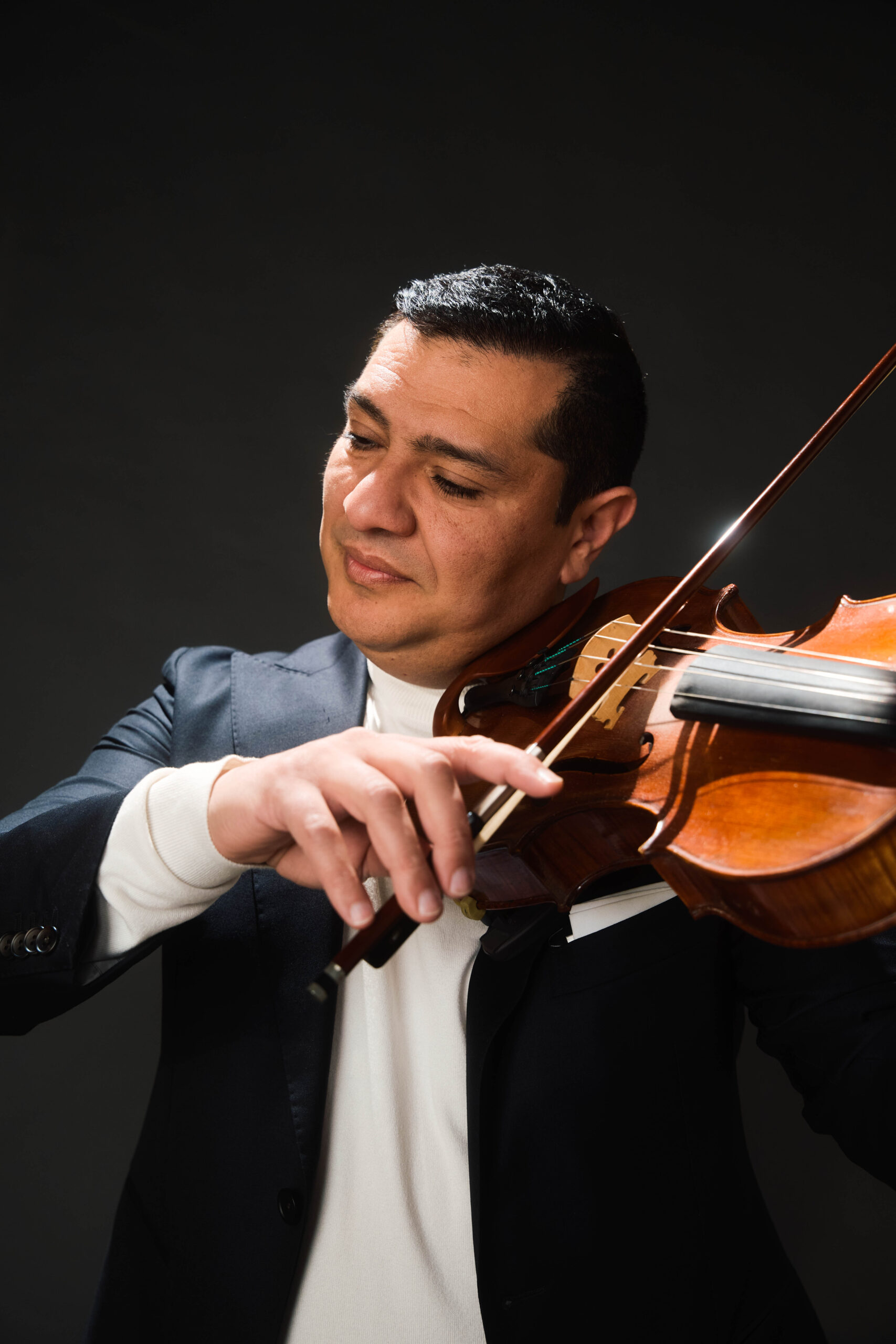
My parents are musicians, and my grandparents are musicians, and it’s like three, four generations of musicians. So I didn’t pick it up. They gave it to me. I started with piano when I was 6, and then I started viola when I was 10.
What made you fall in love with music and playing viola?
To be honest, at that time, I didn’t. My dad just saw that I was talented. I have perfect pitch, so I can hear any note, and I can tell you what it is. They said, ‘Oh, he’s a musician, one of us.’ Then, my mom put me in a boarding school when I was 10. So basically, I left my house when I was 10.
What was Romania like?
Romania when I was there was coming right after the communist regime fell, so a lot of instability, but the food is delicious. The country is beautiful. It’s kind of like Greek food.
What is it like living in the aftermath of communism?
We threw everything out, like everything good and bad. Romania has really good fruits and veggies and natural things because we never did like stuff outside. You didn’t have to ask for organic. But now, last time I went, we’re importing our apples from Chile. I was like, ‘Why are we doing that? We have apples right here.’ And so it kind of got into this globalization of things. They have all the references from the movies, from the music, they watch everything we do here, and then just try to imitate it.
Tell me about how you formed your bands.
We started with Dallas String Quartet, and we were touring, but we still wanted to play some of the local stuff, so we’d alternate between private events and concerts so we didn’t have to always be on the road. I have a little boy, so I wanted to be home, too. But there were parts of the tour that people still wanted music. So I created this other group, Sapphire, that would take over whenever we’re not in town. So that’s how it started with Sapphire, and then Q The Band, we were playing all these events, and our group is very modern with drums and bass and guitars. And I was like, ‘How hard can it be to add some singers?’ We added a new dimension to it and then spent three years figuring that out. It was not easy because it became this massive 16-piece band. We had to change all the music, everything we knew.
Are you the one who decides what the Dallas String Quartet plays?
To a certain degree, I am the one. They all have input on what we play, but most of the things that we play we modify because it’s a little bit of a crossover between some classical elements and pop rock music. So like we do a piece that starts with a classical violin concerto that goes into “Kashmir” by Led Zeppelin. So it’s that crossover that people love about the group.
And that’s the musical style that you like as well.
Well, it helps with my ADD because I get to play a little bit of everything. I played in the orchestra for a while, but every time I would hear a part, I would be like, ‘Oh, this would be really cool with this other music.’ I loved combining different genres. And so it really worked for us because we never take ourselves too seriously. It’s kind of fun and keeps it fresh.
What was it like recording with the London Symphony Orchestra at Abbey Road Studios?
I literally played the piano that The Beatles were playing on. It’s crazy. We’re in the biggest studio with the London Symphony — like 65 to 70 musicians in there — and we had pretty much the same configuration, the orchestra, the studio and the mixing engineer that did soundtracks from Star Wars to Harry Potter. So, you get this massive sound that was so beautiful.
Did you get to share Romani: The Untold Story with your parents?
My parents died that year earlier, and it was my tribute to my dad. I didn’t know how to deal with all those feelings because it happened two weeks apart. I had to fly to Romania twice for their funerals, so it was really sad, and I wanted to do something to give homage to them.
This interview has been edited for clarity and brevity.
