

Story by John H. Slate, Dallas Municipal Archives & Madelyn Edwards
Ever since White Rock Creek was transformed into White Rock Lake, the former reservoir has been a draw for local anglers. With the exception of the extreme drought years of the 1950s, fishing enthusiasts can be found at a number of spots, from the mouth of White Rock Creek to the south end piers at Garland Road.
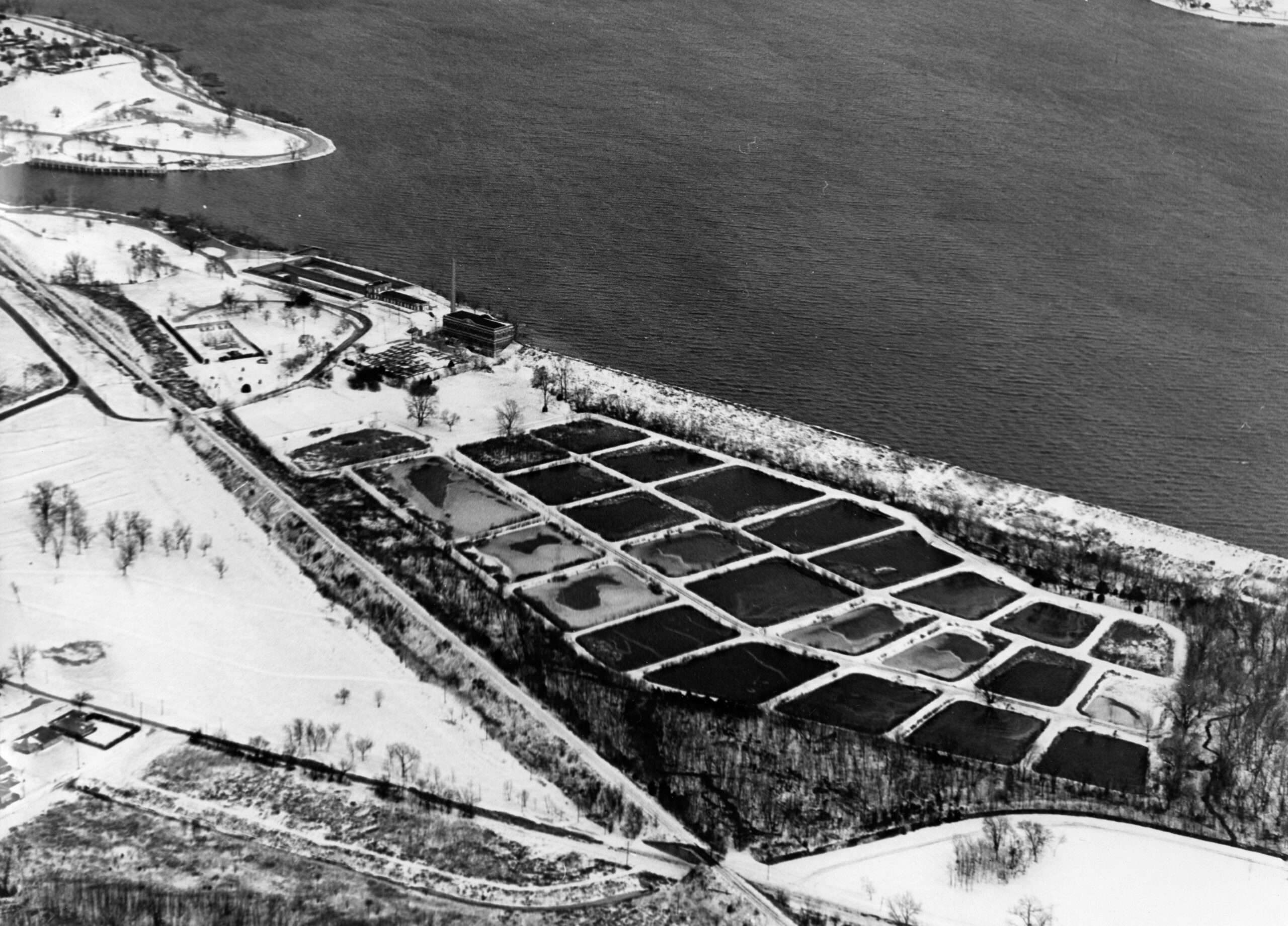
1962. Photo courtesy of
Dallas Municipal Archives.
Now called the Old Fish Hatchery Nature Area on the southwest side of the lake, the hatchery was part of the state network of hatcheries established by the Texas Game, Fish and Oyster Commission. It was built by the City in 1930 for about $23,700, according to Dallas Park and Recreation Department records, before being given to the state. The Park Board made a land swap with the original hatchery at Fair Park, which was a part of the land needed for a new racetrack and later for the Texas Centennial Exposition of 1936.
“The lake did not become a park until December of 1929. The lake was built by Dallas Water Utilities, and they completed the dam in 1911. The lake was filled in April of 1914 by a flash flood,” historian and former Dallas Park and Recreation staffer Sally Rodriguez says. “And so it wasn’t until 1930 that the Park Department began developing.”
In 1936, the state transferred hatchery operations back to the City of Dallas. This was in exchange for about $1,450 and salvage pipe to build a new state hatchery at Lake Dallas (now Lewisville Lake), according to the records.
It’s unclear if or why the City wanted the Old Fish Hatchery at White Rock Lake back. Rodriguez says it’s possible that Dallas’ leaders prioritized local ownership as opposed to state control of the property near the lake at the time.
“The Park Board was really conscientious about maintaining park land for the citizens of Dallas,” she says.
The hatchery operated from 1930 to 1960 and was managed by the Dallas Museum of Natural History, which was part of the Park and Recreation Department. Originally, its estimated 23 to 26 ponds (ranging from 3/5 to 11/5 acres and depths between 4.5 to 7 feet) were stocked with perch, bass, channel catfish and bream. It fell into disrepair in the early 1950s but was cleaned up, and the Park and Recreation Department returned to propagating fish for White Rock and other City parks.
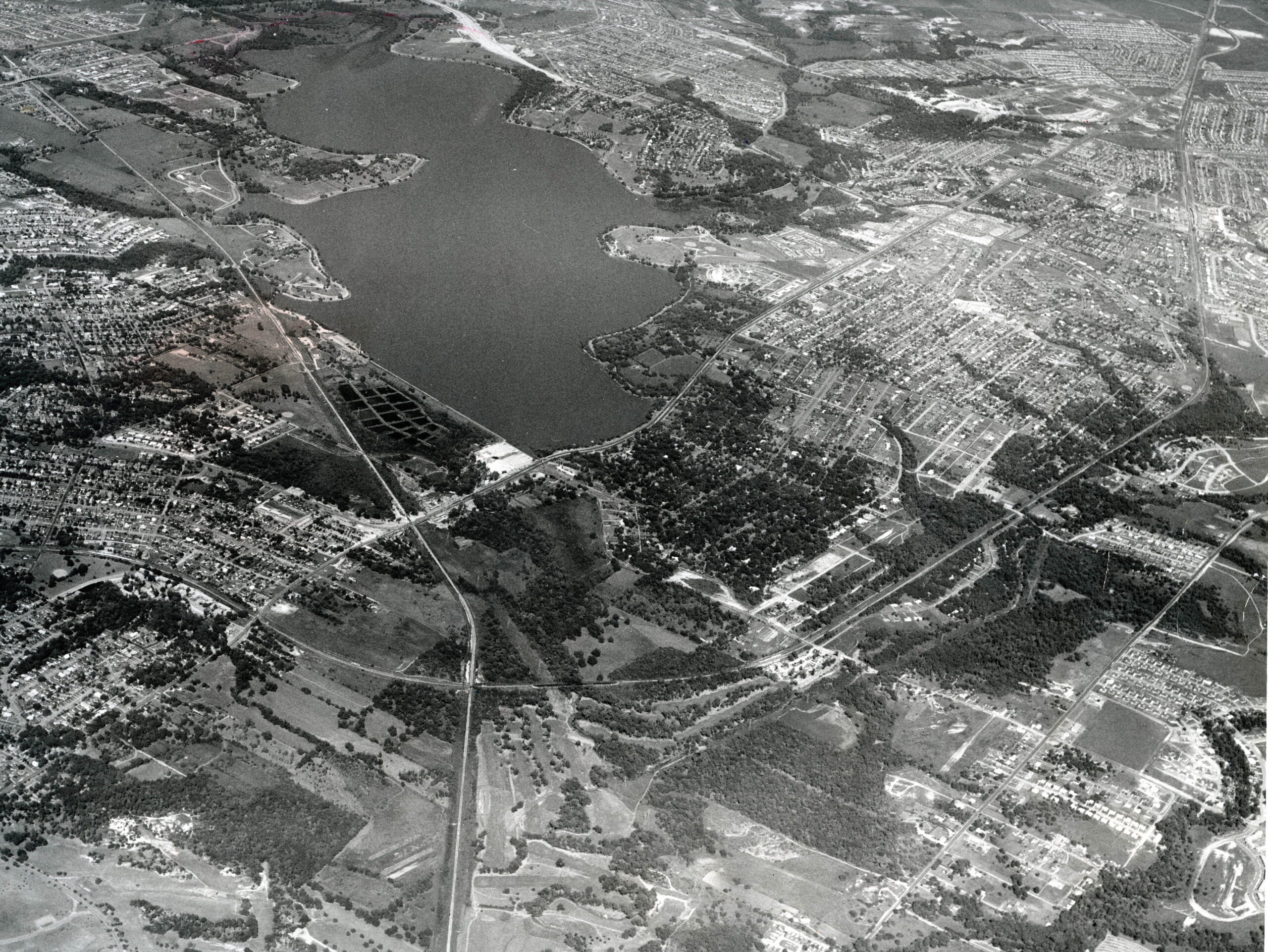
1958. Photo courtesy of
Dallas Municipal Archives.
Hatcheries in our state are now overseen by the Texas Parks and Wildlife Department. None are in the Dallas-Fort Worth Metroplex but in rural areas instead.
“Hatchery-reared fish are used to establish new populations, enhance existing populations, support research efforts and maintain fisheries in small urban reservoirs where natural production will not meet anglers’ needs,” reads the department’s website.
After it ceased operations, the hatchery “wilded over” (with the ponds still in place but not refilled) and is now a gated area with a hiking trail in and around it. Rodriguez supposes that buying fish from the state instead of running a hatchery made more sense for the City financially. In the 1980s, the Dallas Audubon Society adopted the grounds and worked with the Park and Recreation Department to create a landscaping plan for pathways that don’t disturb the natural surroundings.
The preserve is an excellent birding site, according to the Texas Parks and Wildlife Department. One can see Red-shouldered Hawk, Barred Owl, Belted Kingfisher, Wood Duck, Warbling Vireo, Eastern Phoebe, and Yellow-crowned and Black-crowned Night-Herons. Beavers, gray foxes, bobcats and coyotes have also been observed here.
The real surprise, however, is the naturalized colony of noisy, wonderful Monk Parakeets. Their origin is not clear, but they’ve been nesting year-round in the hatchery since at least the early 1990s.
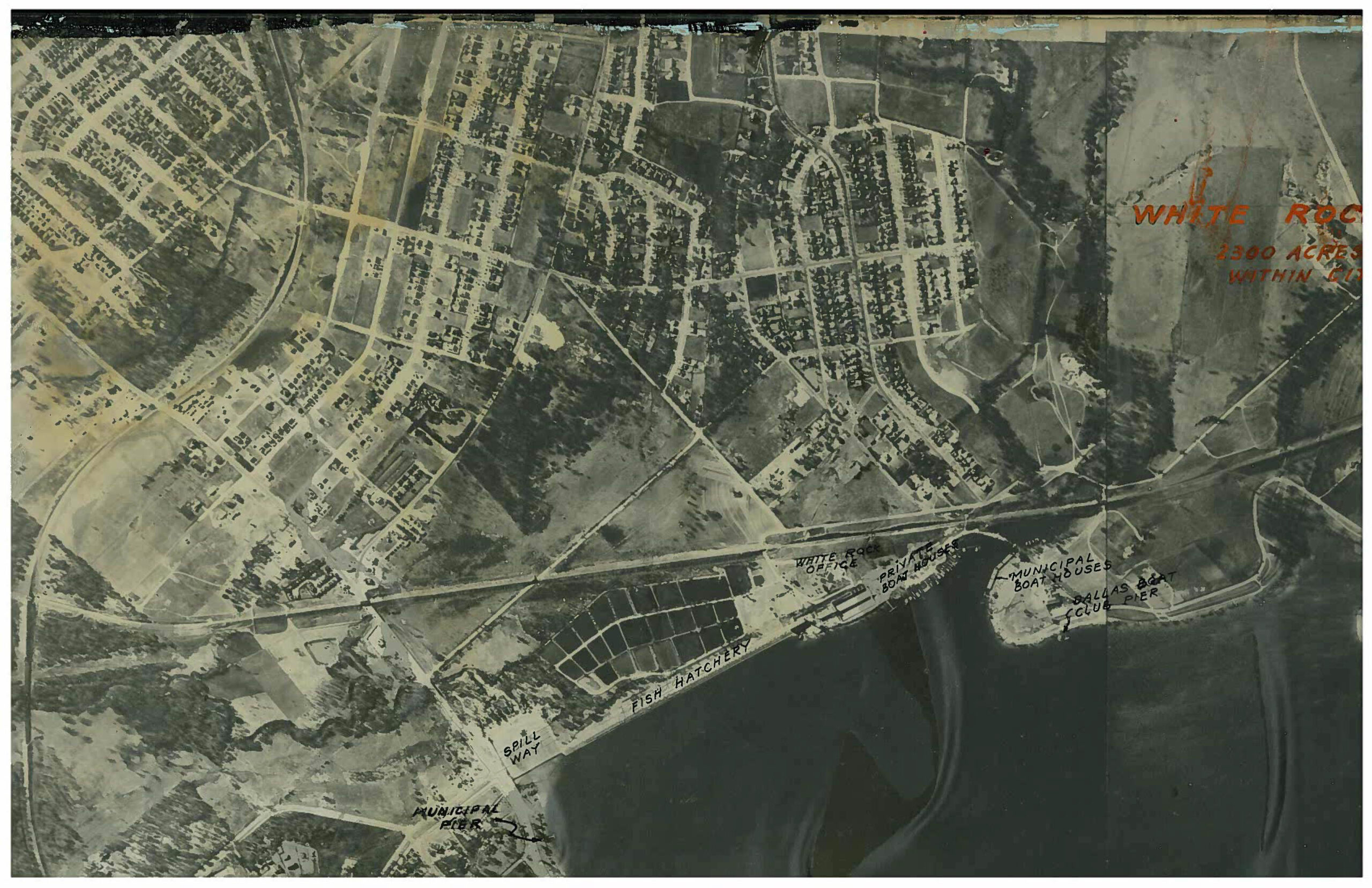
1942. Photo courtesy of
Dallas Municipal Archives.
The need to preserve the Old Fish Hatchery Nature Area was brought to the forefront of neighbors’ minds when the energy company Oncor cleared multiple acres under its power lines there in 2020. In the aftermath, District 9 City Council member Paula Blackmon created an advisory committee to make sure that wouldn’t happen again without the City’s knowledge. Oncor worked with Texas Discovery Gardens to replant the area, and the Park and Recreation Department was slated to collaborate with the company on maintenance.
“We are fortunate to have a little bit of nature in the heart of an urban area, and it breaks my heart to see it in this state,” Blackmon said in a previous Lakewood/East Dallas Advocate article about the clear cutting. “I understand the need for reliable electric service, but I am confident that we can all work together to create a space for bird-watchers, nature lovers and wildlife enthusiasts in an area that is in the Oncor-owned right of way.”
