

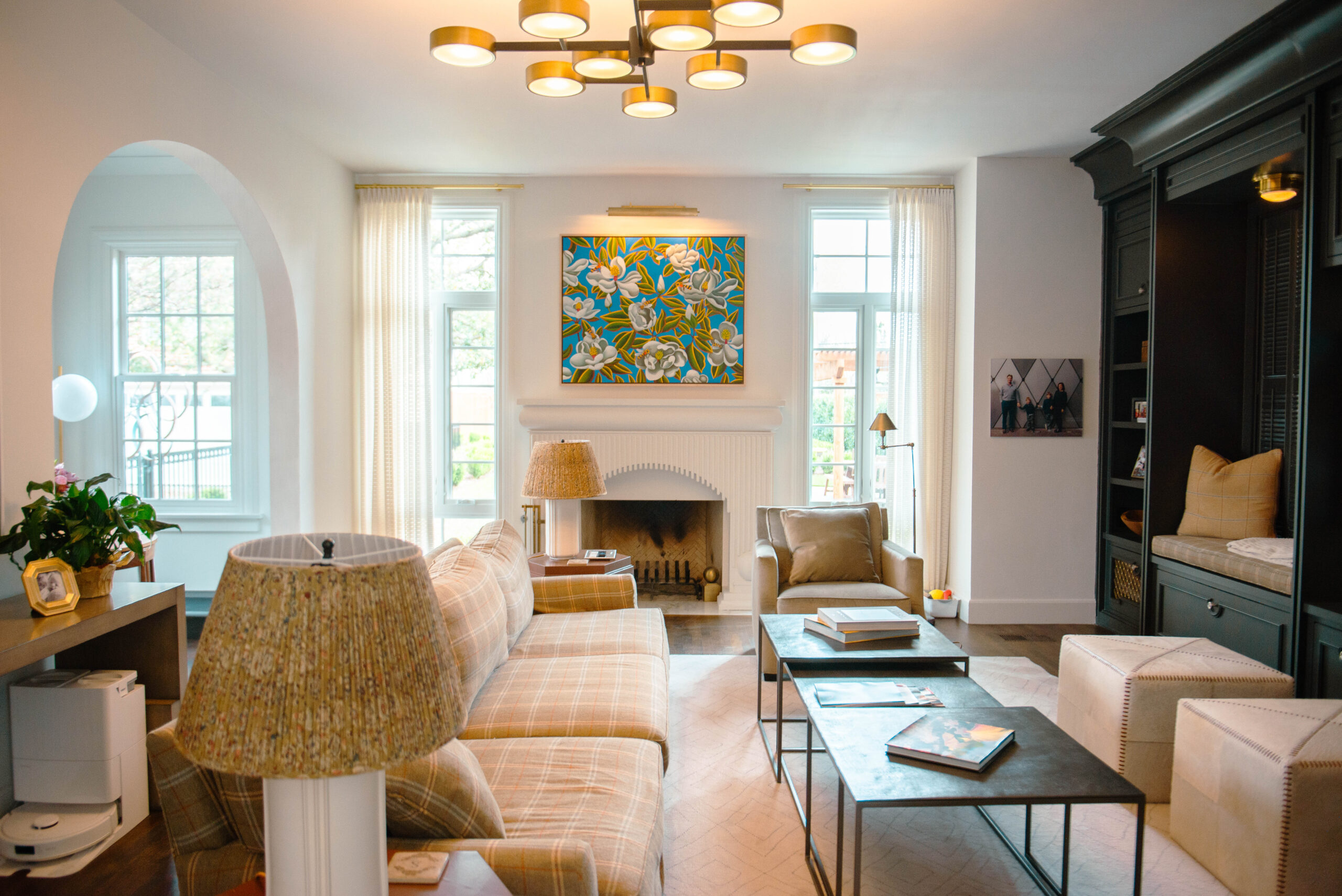
The Scripps family likes to show off their three-story, centenarian Swiss Avenue home, but the house isn’t just for show.
Photography by Lauren Allen
“While some rooms aren’t used as much as others, we use every inch of the house, which is what we wanted, and we use every inch of the yard, which is what we wanted,” Andy Scripps says.
He adds, “We didn’t really want anything in the home to feel like you couldn’t be in it.”
This was important to factor in ahead of the home’s renovation, especially considering that Scripps and his wife Jennifer have two young sons. They needed space to fully live their lives.
The Scripps’ former house on Lakewood Boulevard wasn’t fulfilling that need. When their Swiss Avenue home came on the market, they toured a bare bones version of it and saw something they could work with. Renovations maintained the home’s historic details while also making it completely usable.
“We can fully use the kitchen,” Scripps says. “We cook five out of seven nights at home; we eat dinner together probably four or five nights a week. So it’s a fully functioning home that still has the 1920s charm to it.”
For renovations, they brought in Eddie Maestri, principal architect, interior designer and creative director at Maestri Studio. He had worked with the Scripps before and, as a lover of older homes, was a good fit for the project.
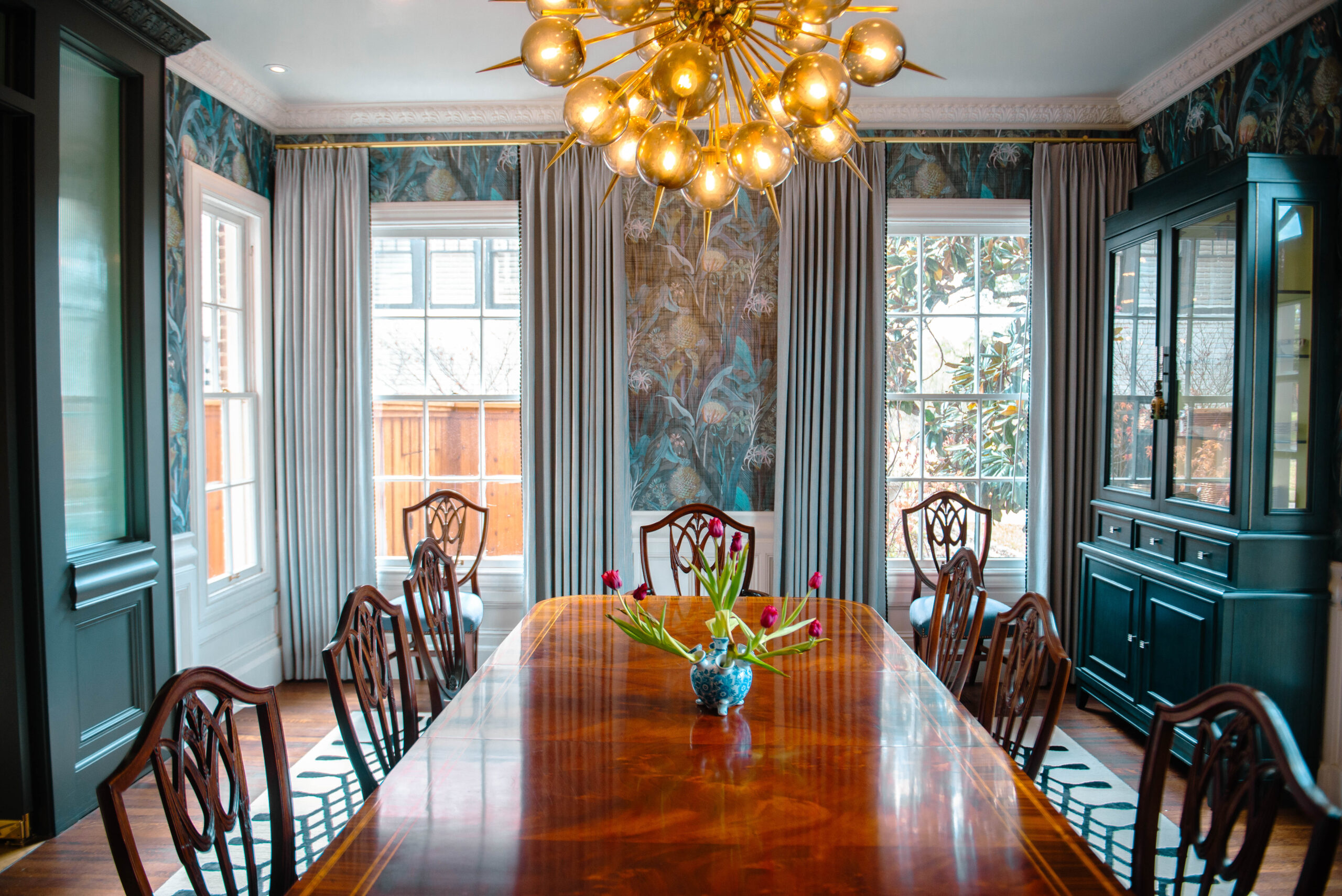
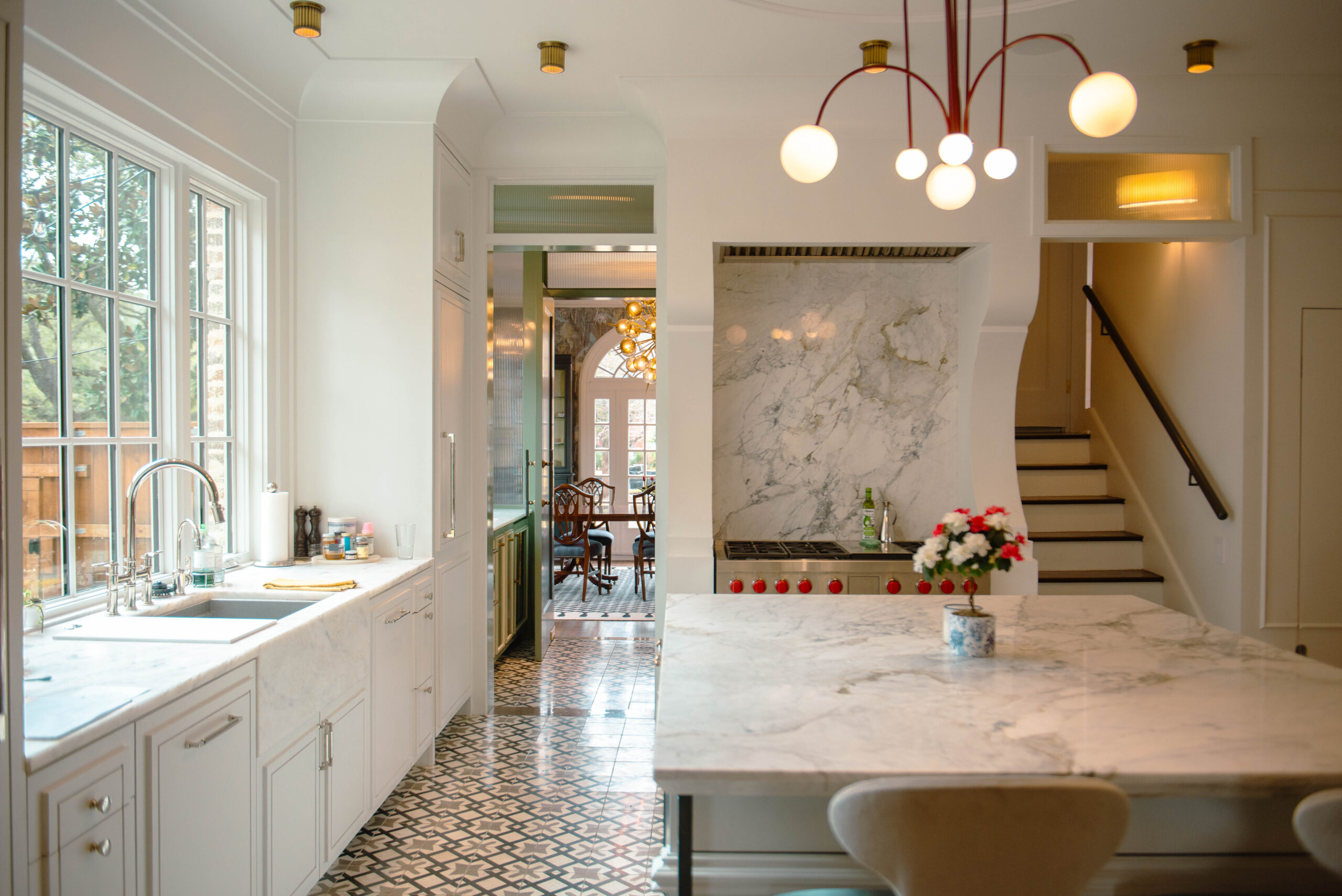
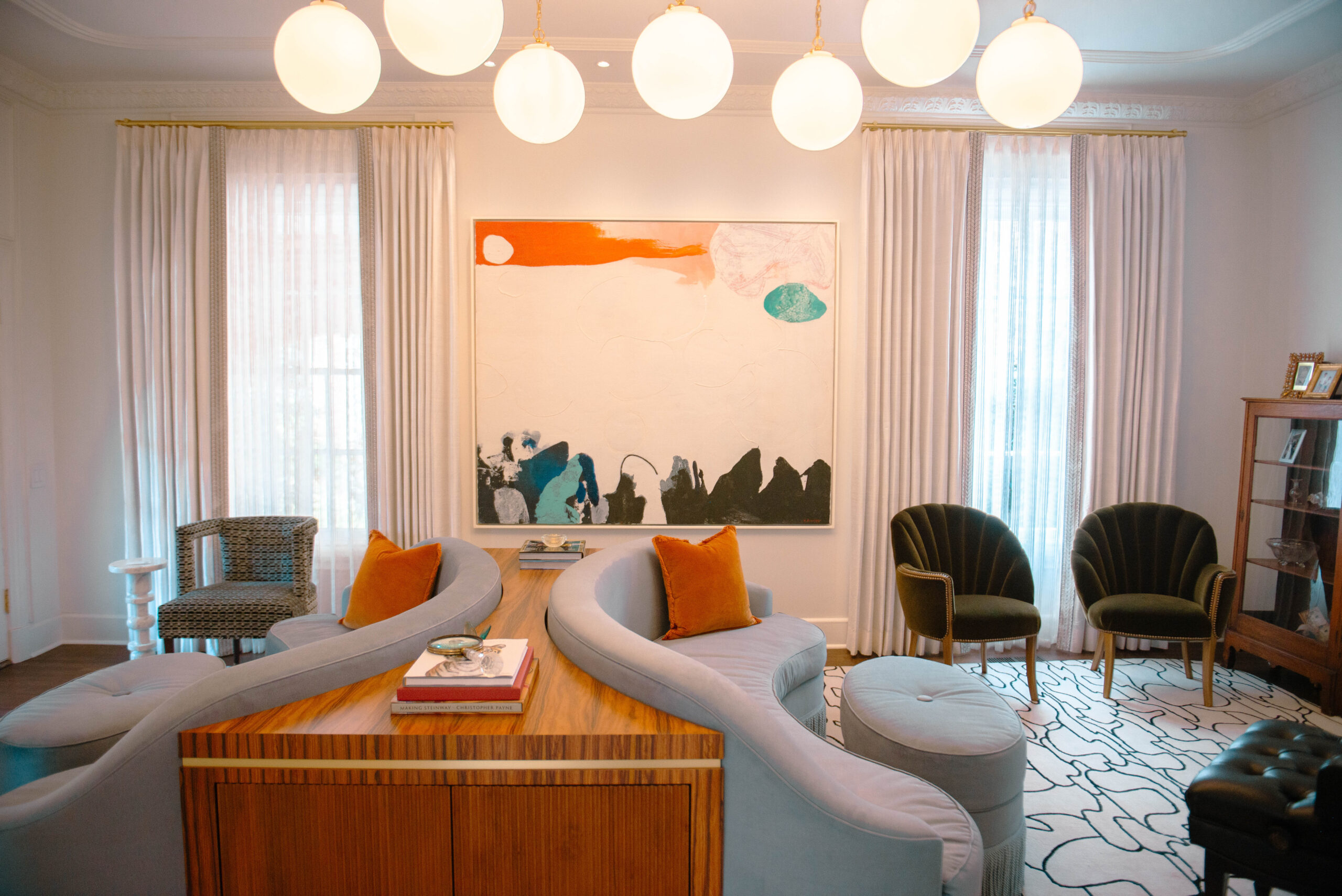
“It hadn’t really been updated in a long time,” he says of the house. “It was a lot of original details, which I love. We were like, ‘This is probably the right fit to achieve all of their goals.’ They were great to work with in that they really trusted us. They really went through the process with us and kind of leaned on us for our guidance. And then, of course, we wanted it to be truly theirs, so we really leaned into what would make them happy in this house.”
Work started near the end of 2021 and took a few years to complete. In the ’90s or early 2000s, renovations were made to lighting and the kitchen, and a family room was added, Maestri says. Scripps says about 30% of the furniture were repurposed or recovered.
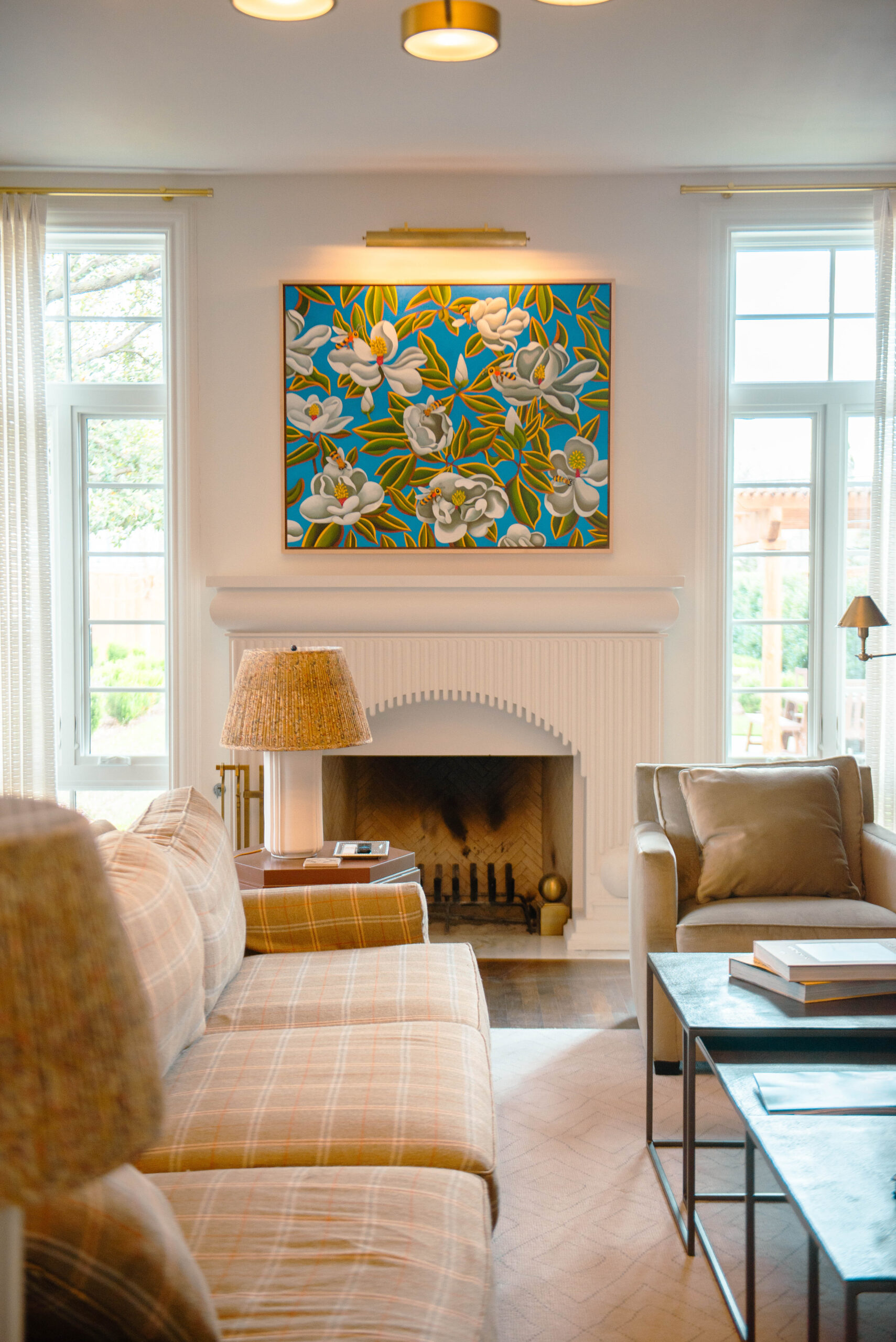
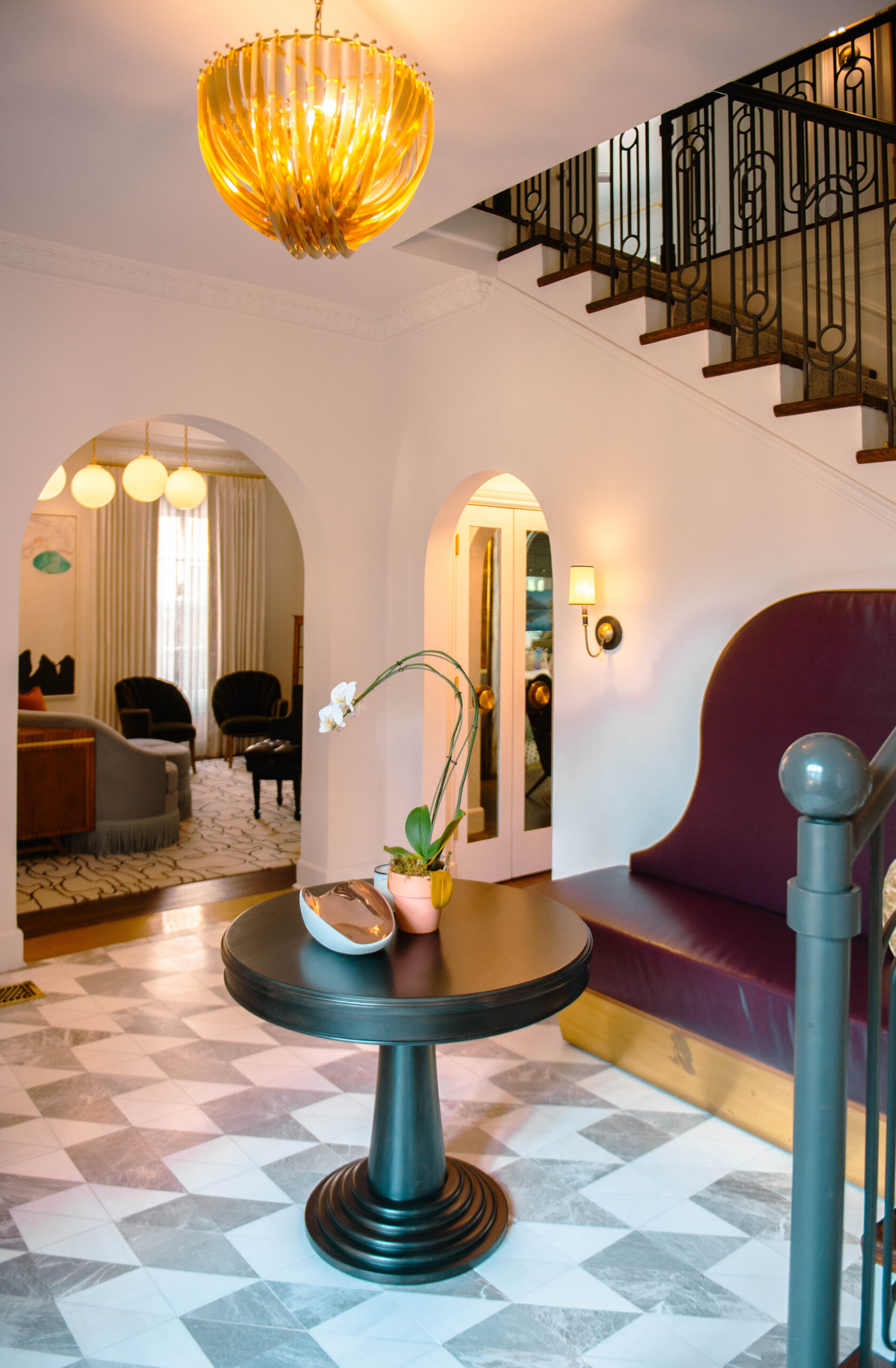
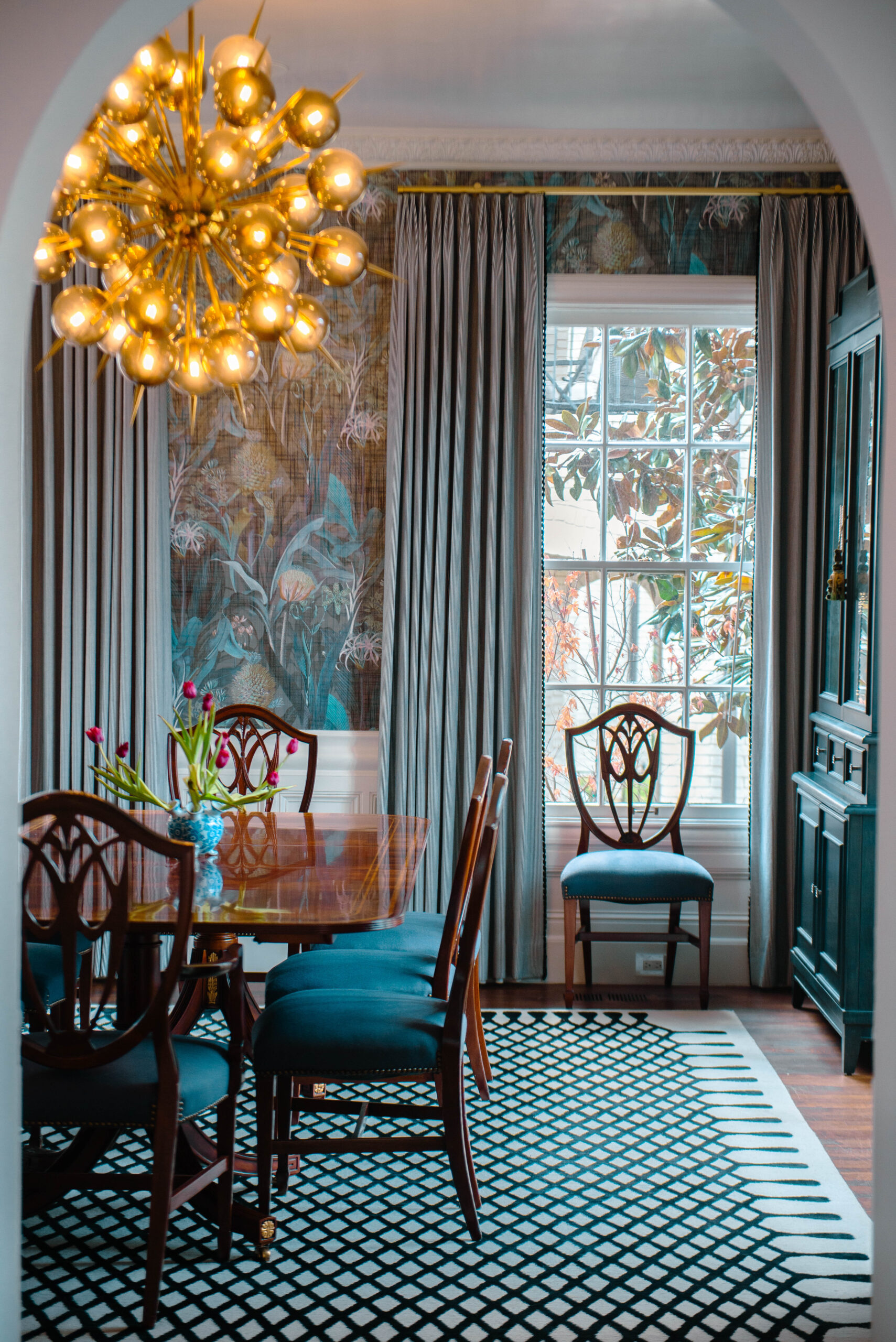
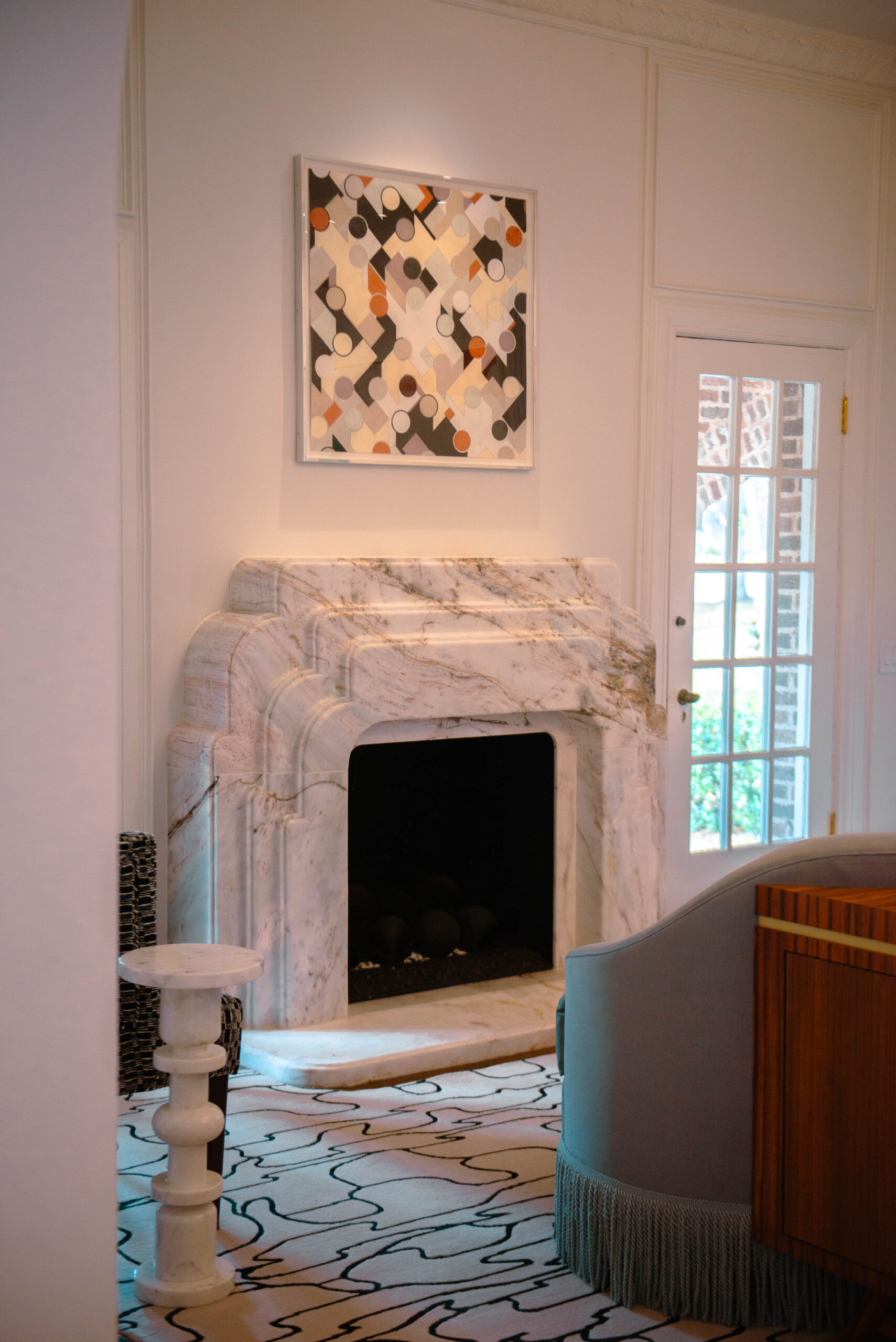
“Our goal throughout the process was really to expand upon and kind of complement the original intent,” Maestri says. “A lot of the details that you would expect in a 1920s home, it seemed to be maybe pulled out. For example, it didn’t have a lot of moldings and such, so we put all of that in.”
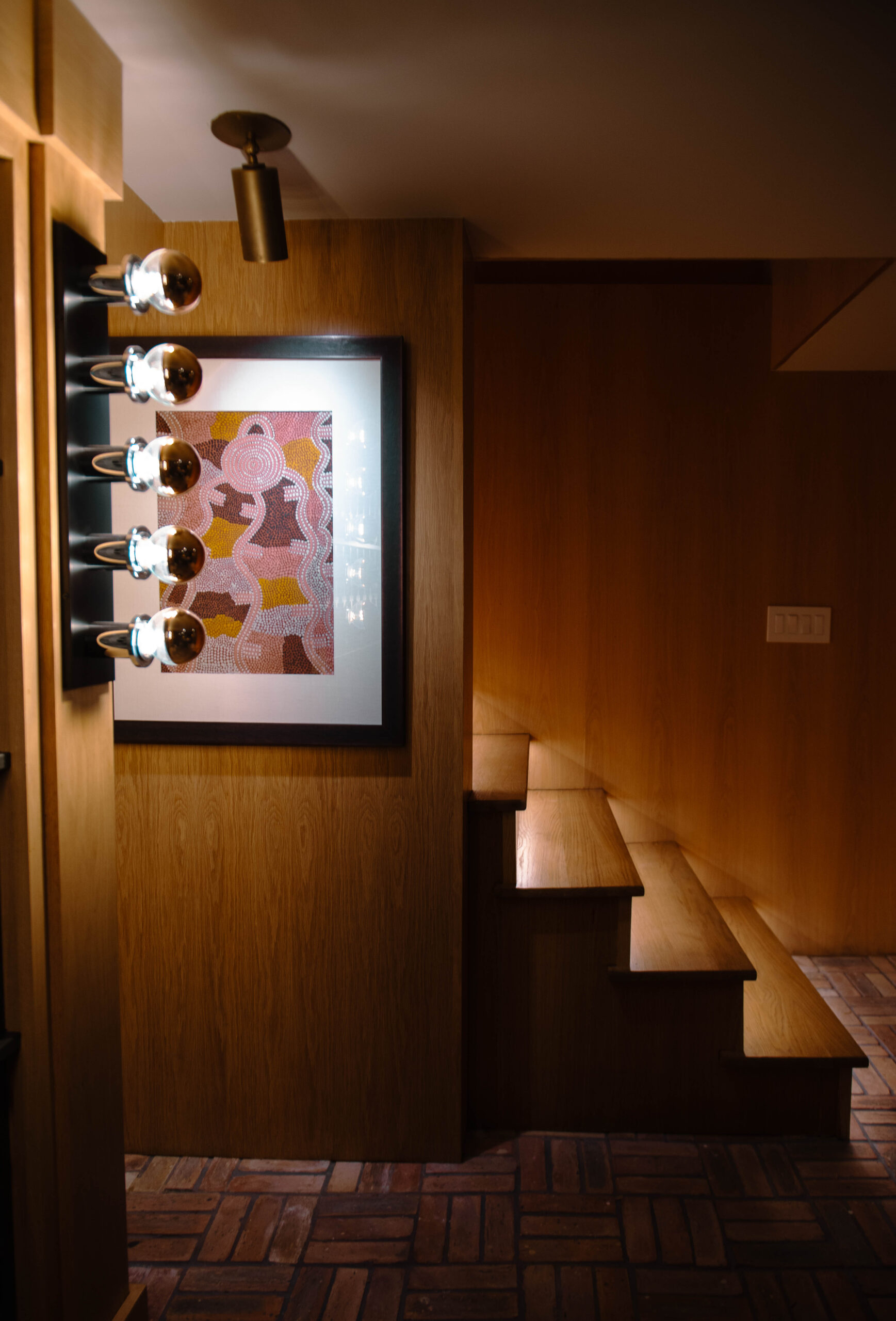
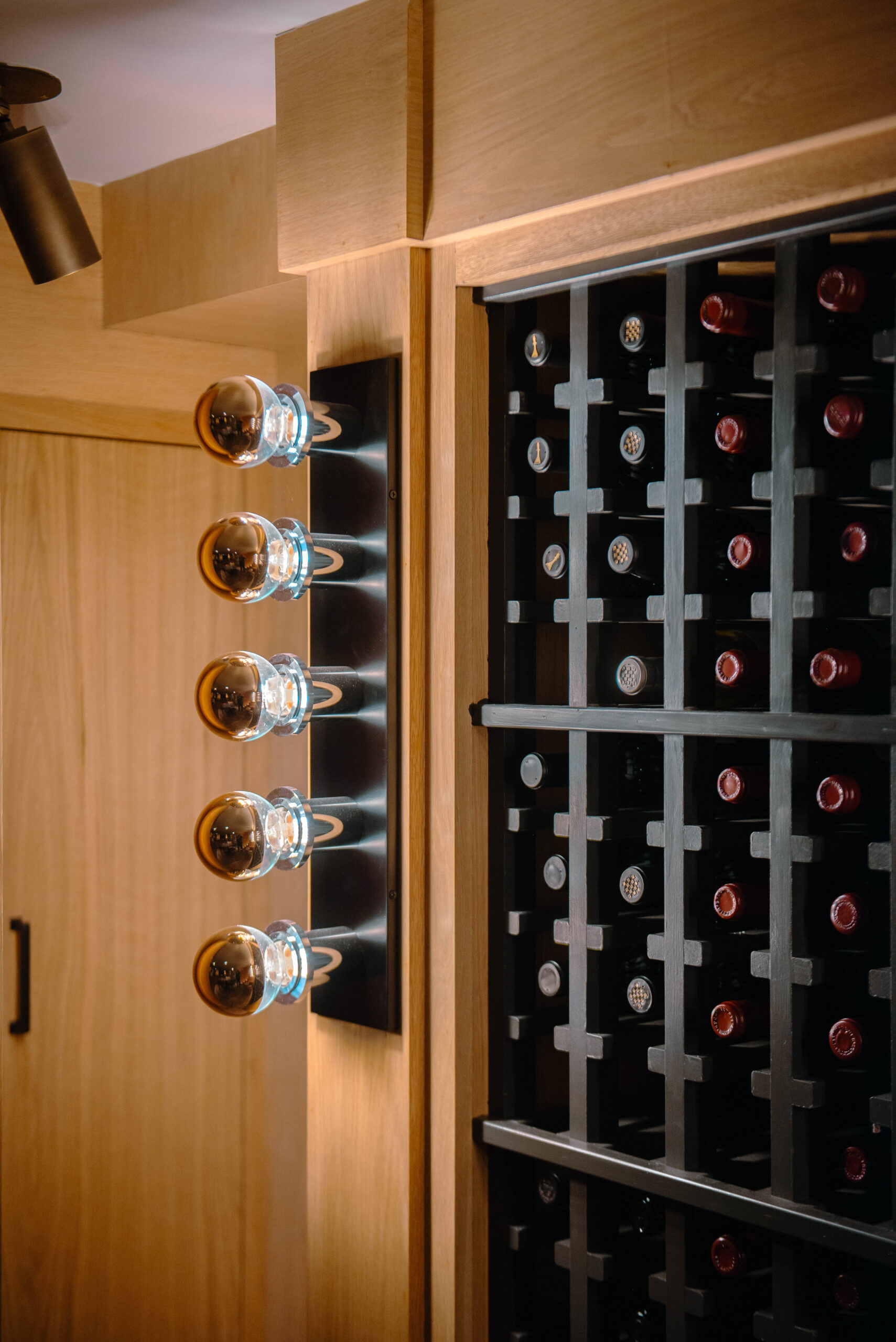
Maestri’s team worked to build a new primary suite on the second floor. The kitchen was expanded, and the basement was transformed from scary and damp into a refined hangout space with a wine cellar. The backyard porch, Scripps’ favorite place in the house, features a dining area, plus seating near a fireplace with a TV overhead, perfect for watching college football games in the fall. Nearby on the patio is an often-used grilling station.
Living in the Swiss Avenue Historic District, a dream of Scripps’ wife, means that certain rules need to be followed in renovations to maintain the street’s historical homes.
This mainly impacts the front of the house and what can be seen from the street. Scripps says this isn’t as difficult as it seems as long as open communication about plans is involved, though he did run into a cost barrier in replacing the house’s windows with ones that matched the original style.
“I think you know what you’re getting into when you buy a home on Swiss, and you’re willing to take that on and do what you can to preserve the homes,” he says. “We’ve not met any families on Swiss yet that have told us they regret getting into this.”
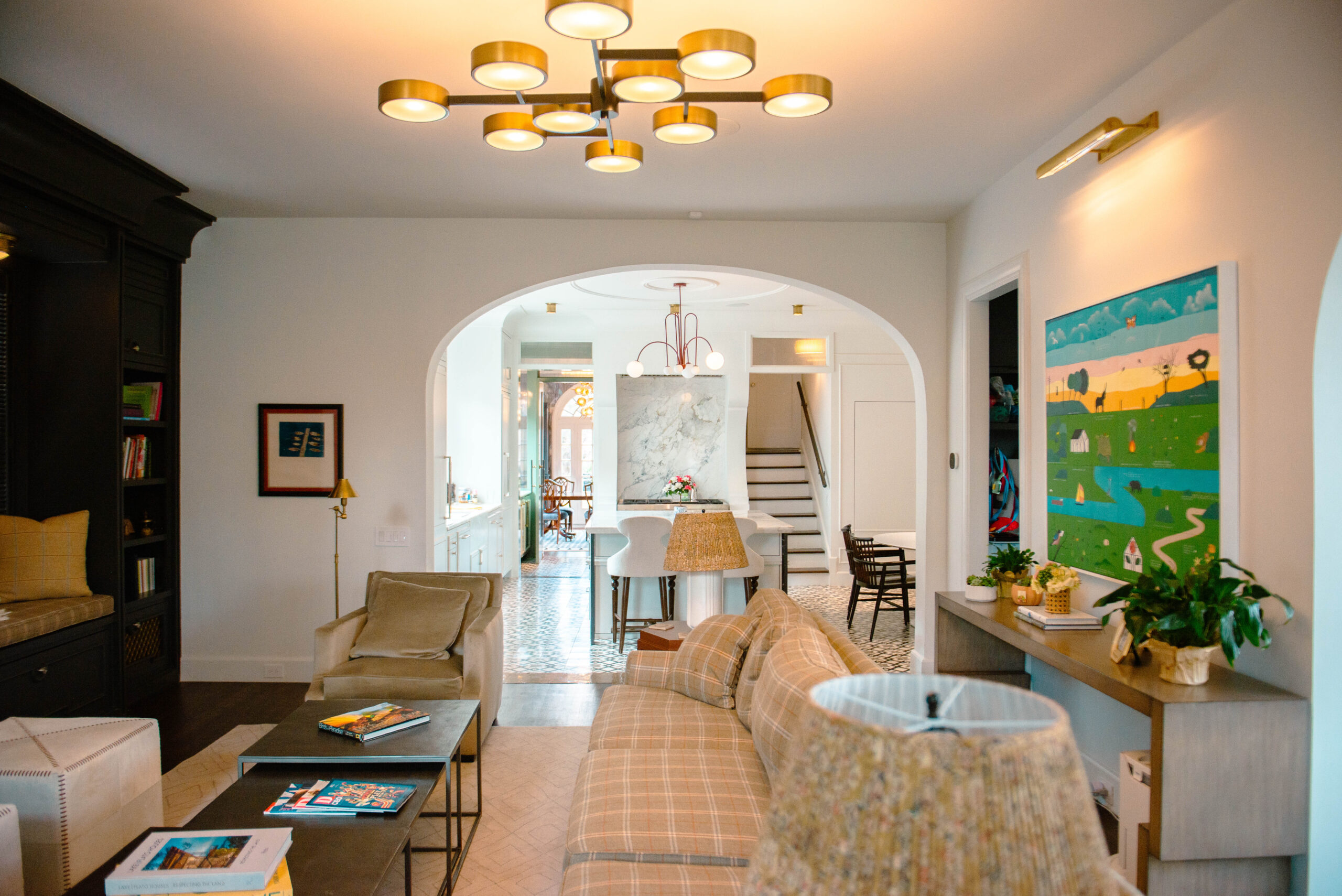
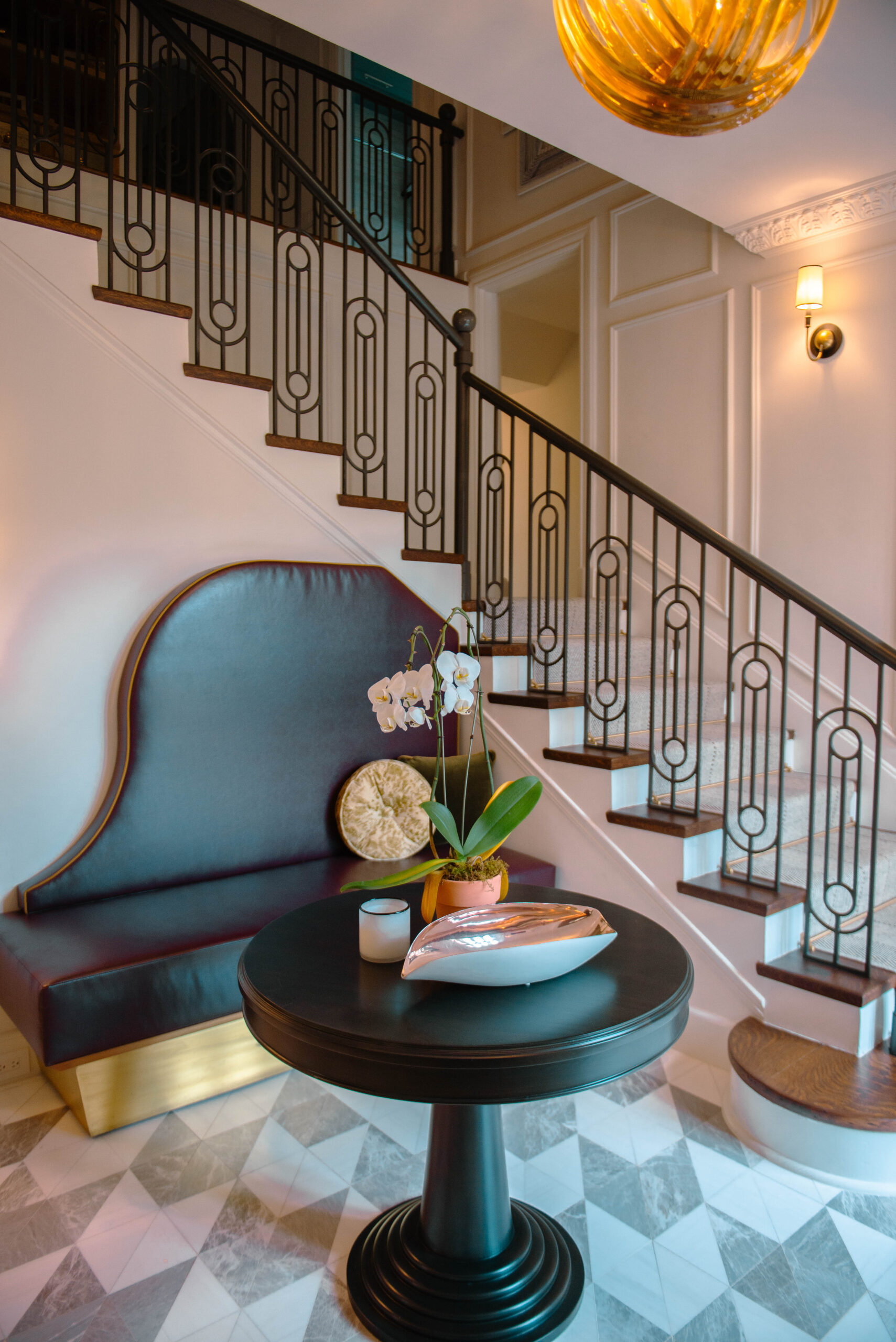
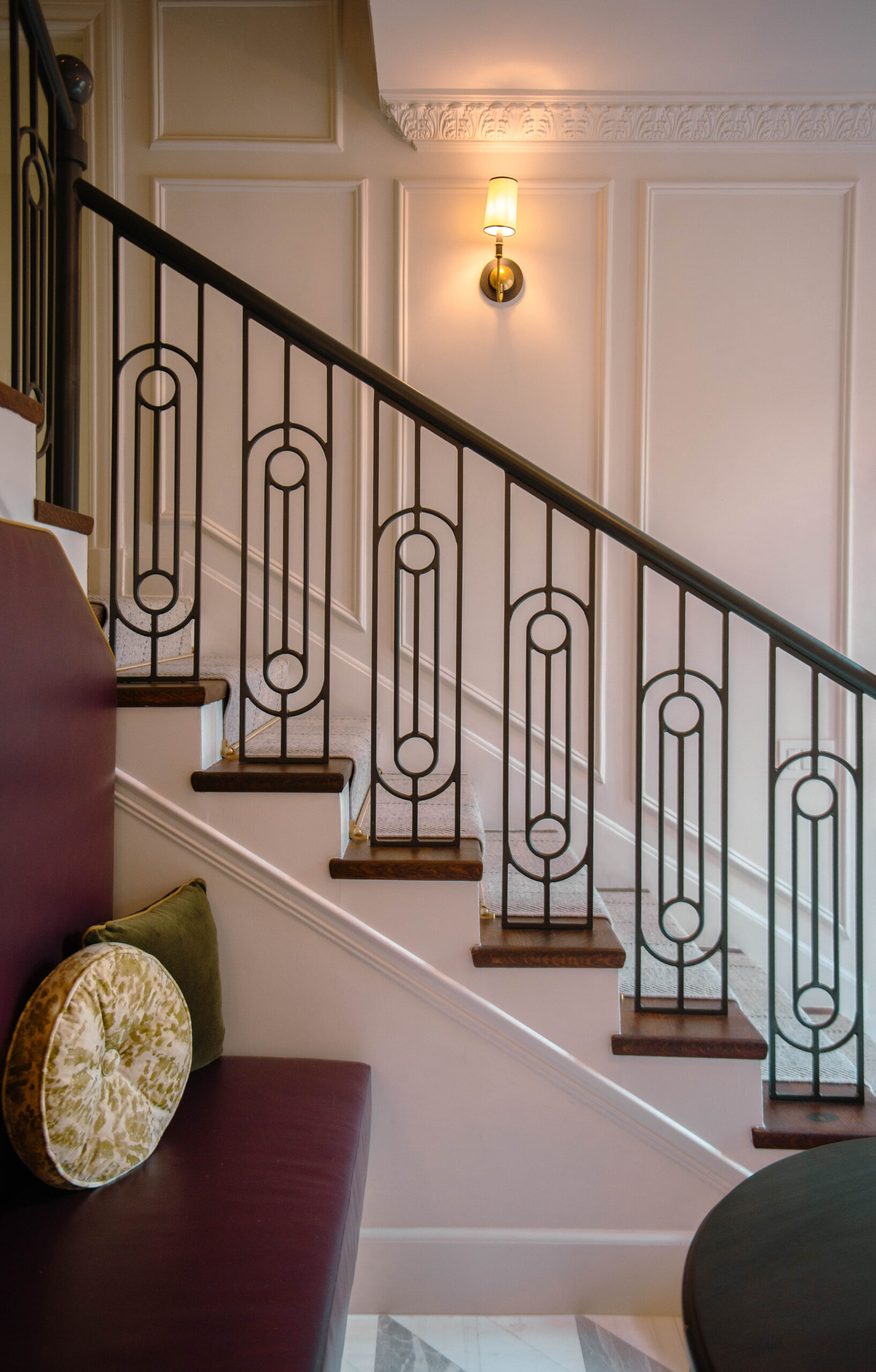
Maestri also wanted the house to reflect the 100 years of history it had survived. Bygone staples like iron handrails, plaster crown moldings, transoms over doors and wall paneling were added to meet that end.
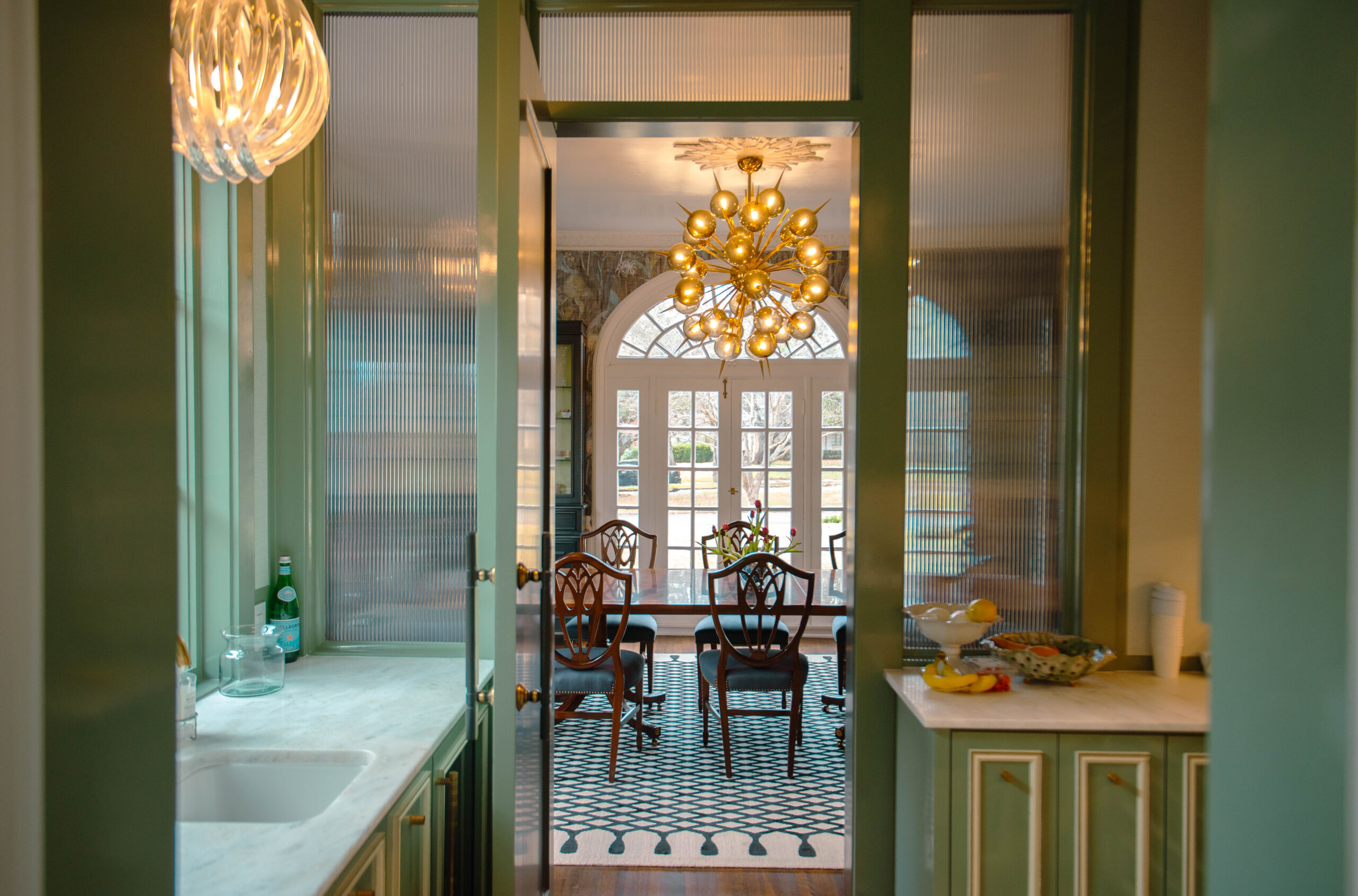
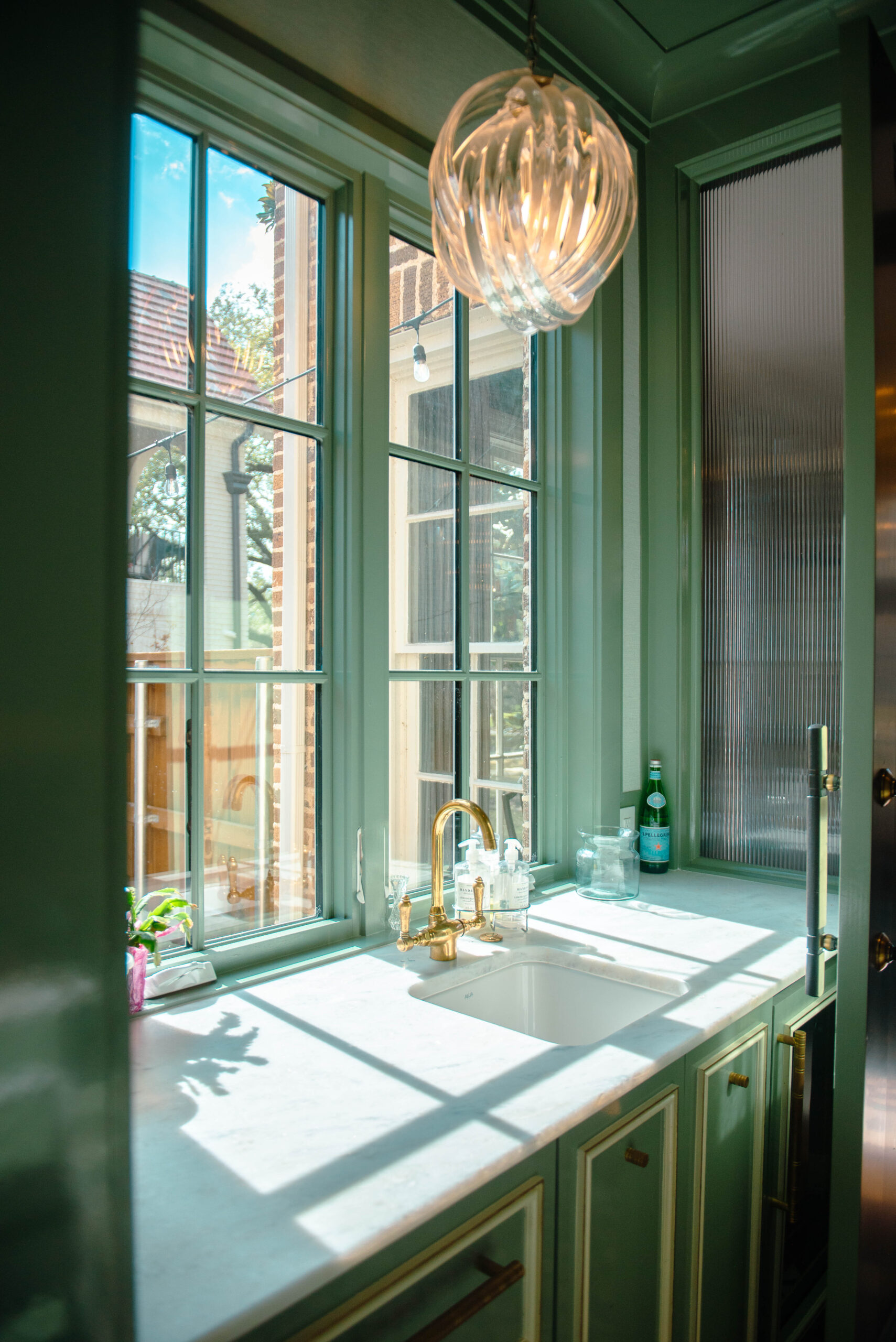
“It was really not trying to make the house something it couldn’t have already been,” Maestri says. “We really weren’t trying to make it modern, so to speak, but just kind of a clean take in some areas of what could have already been there, and I think the butler’s pantry is a really good example of that.”
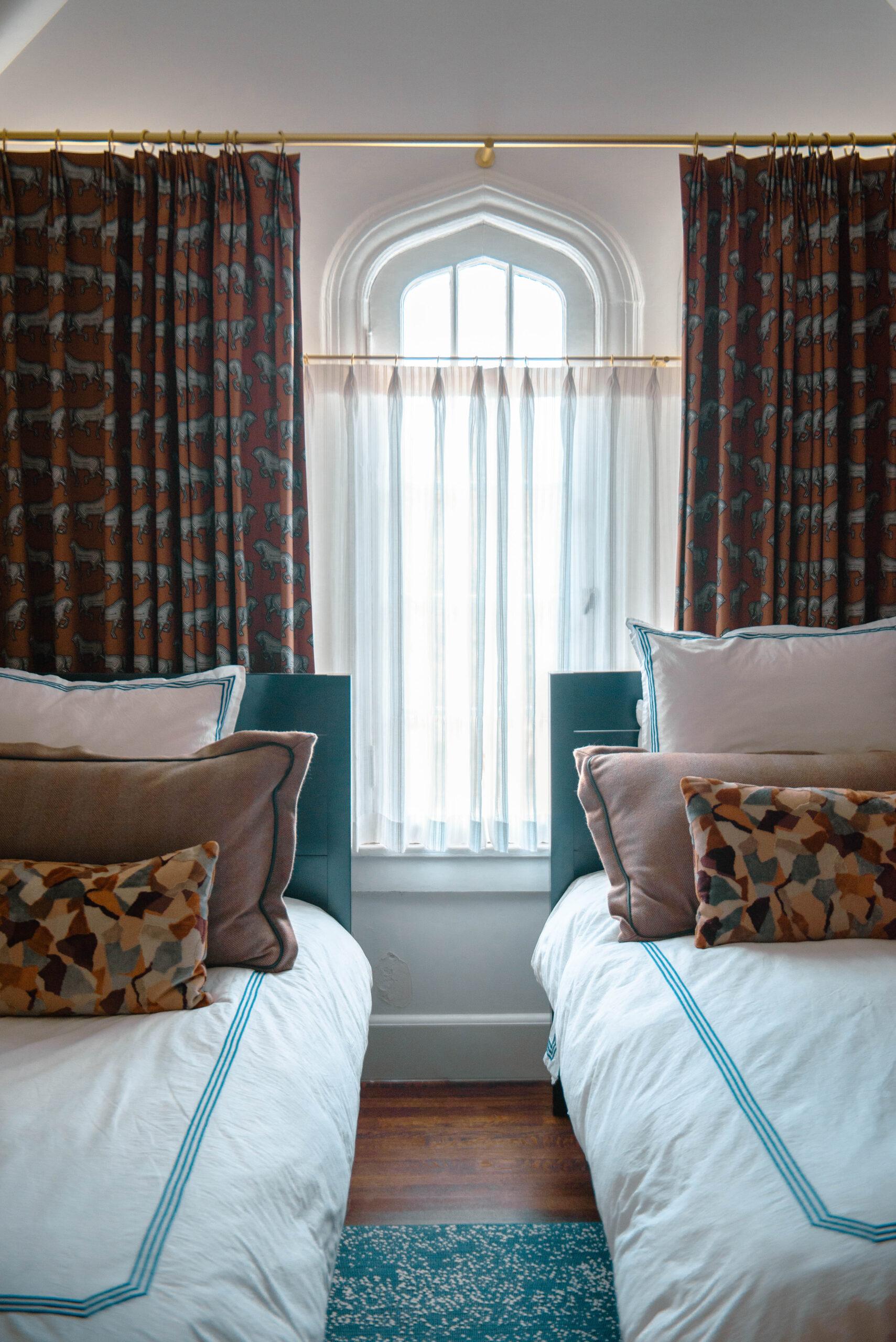
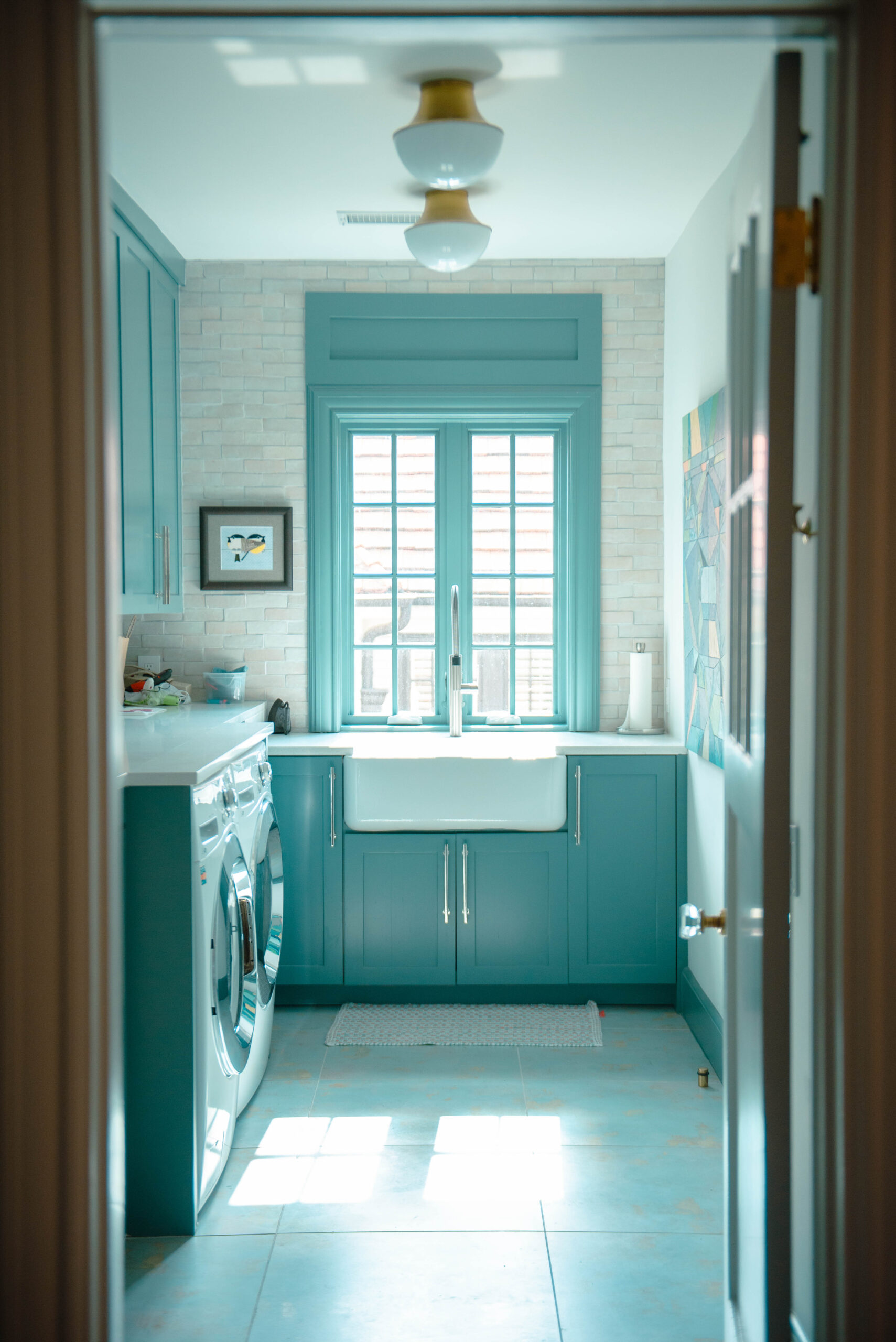
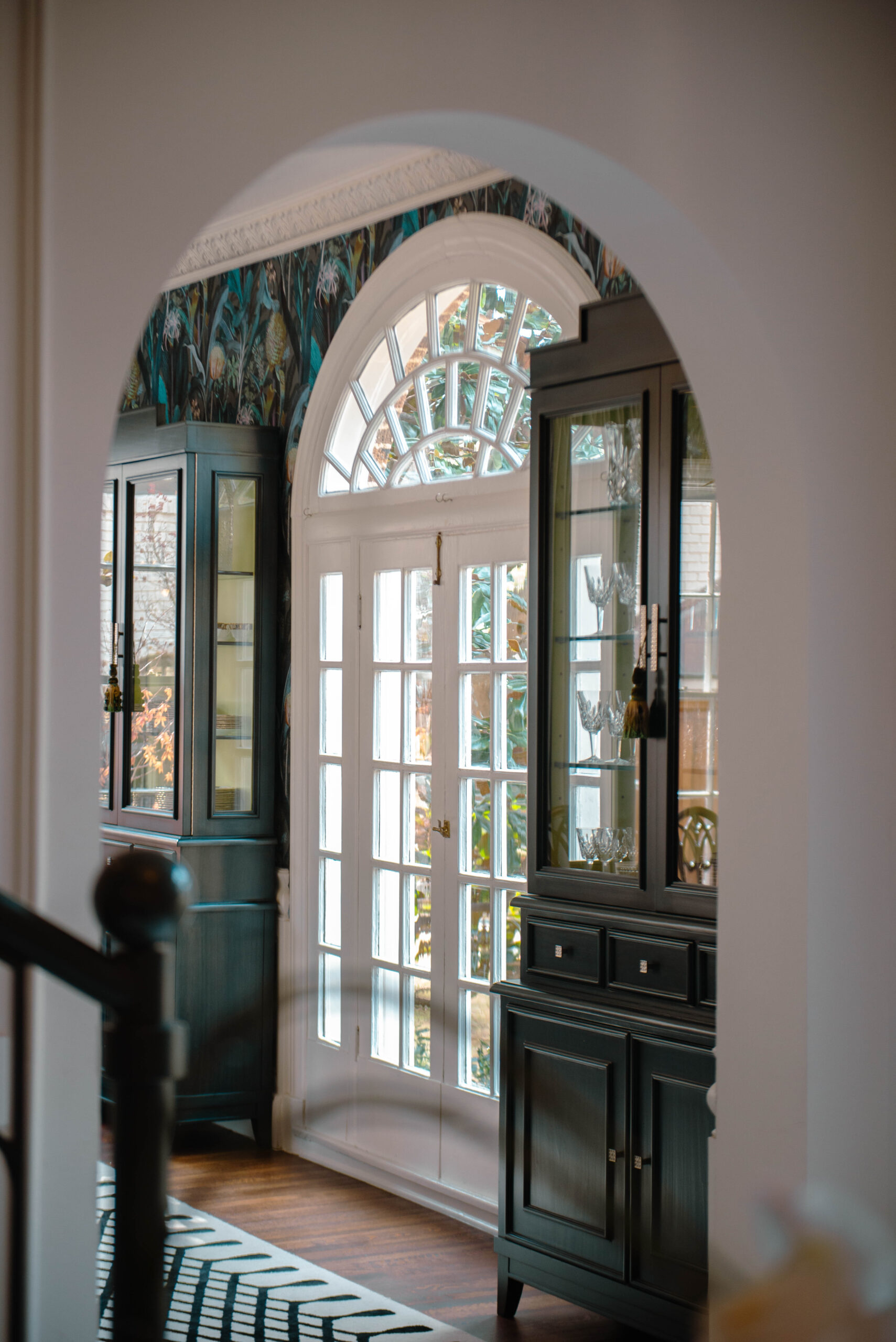
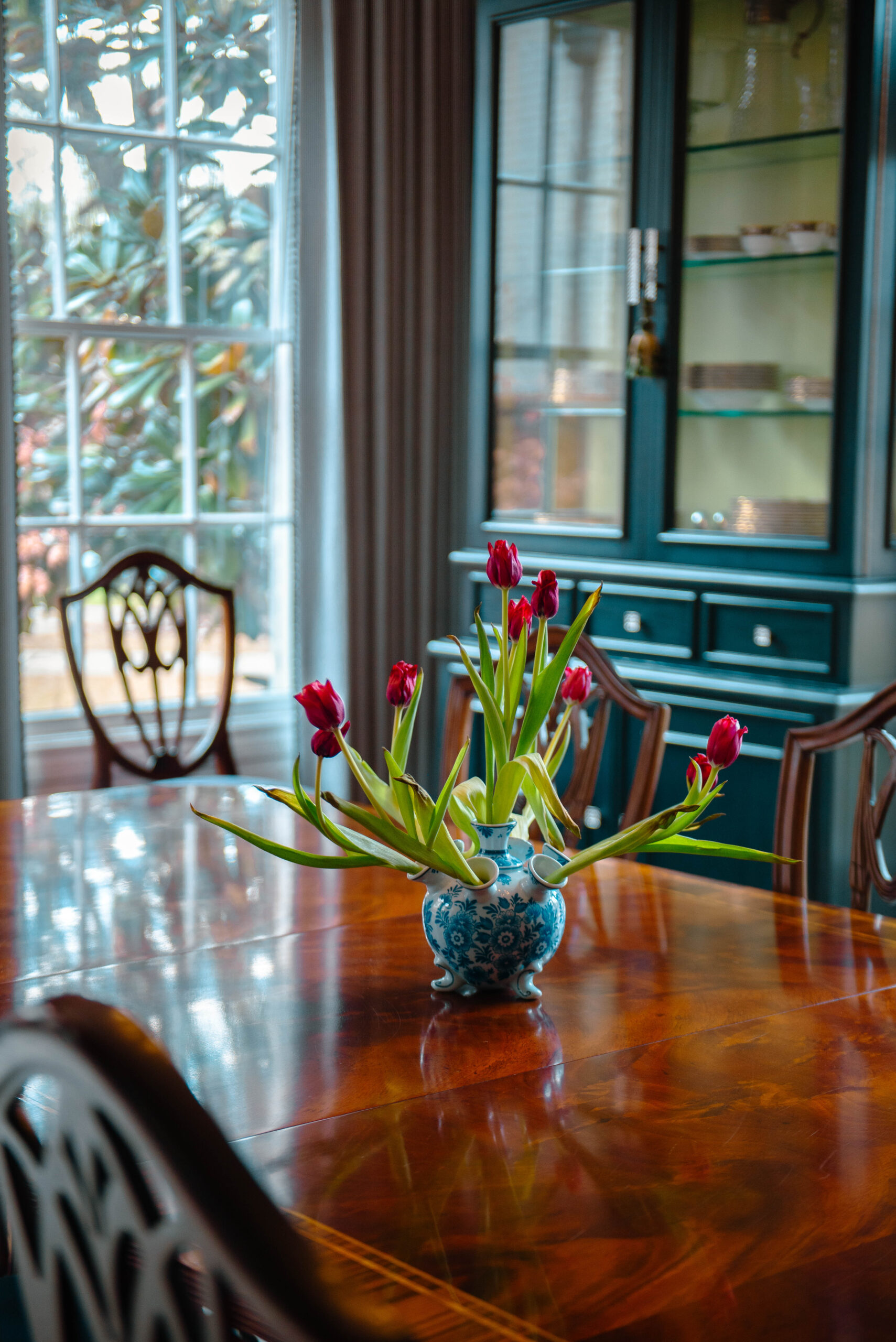
The butler’s pantry is between the dining room and the kitchen. The space is memorable because of the green color on the cabinets and walls, but it also makes for a natural transition between the two rooms it connects.
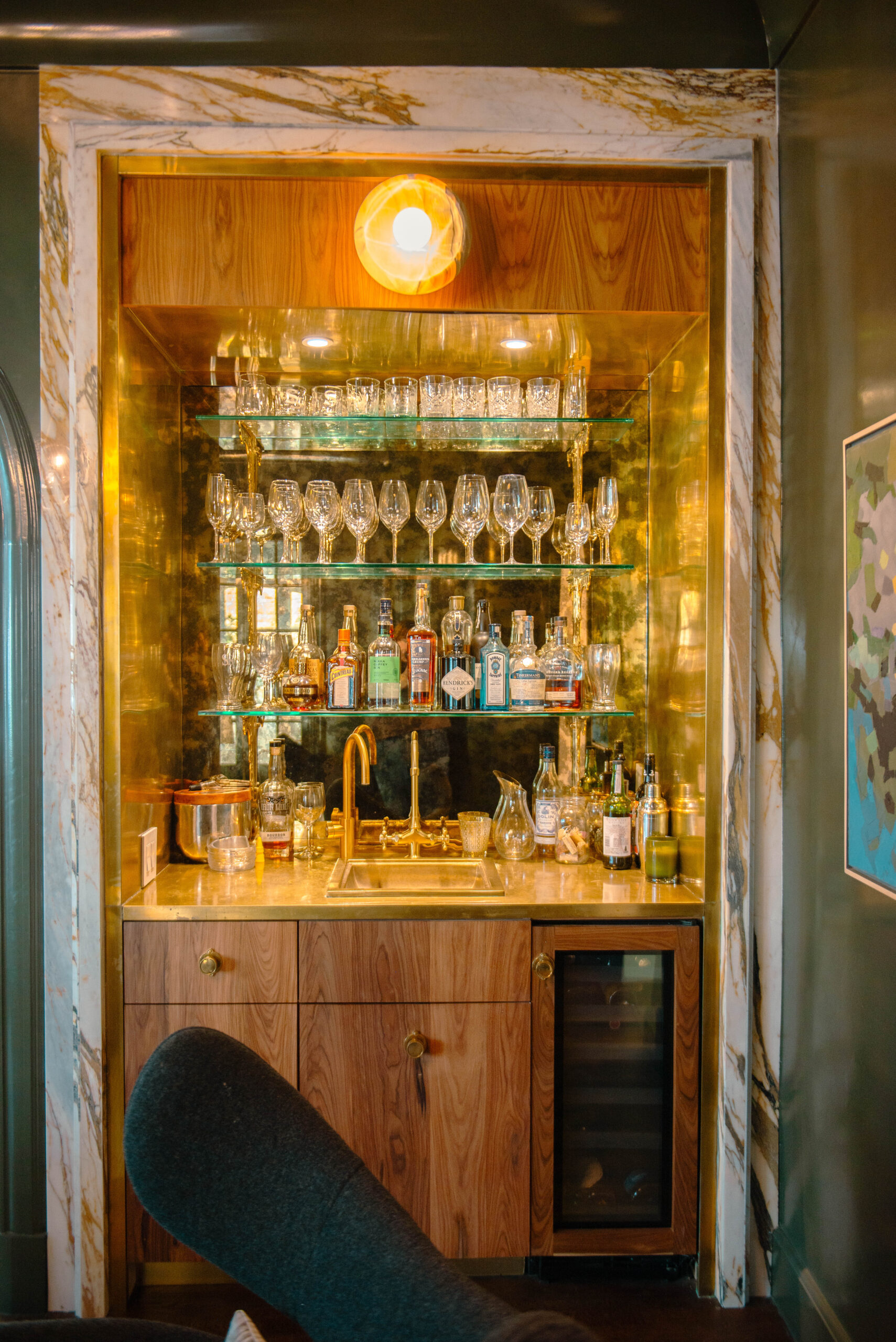
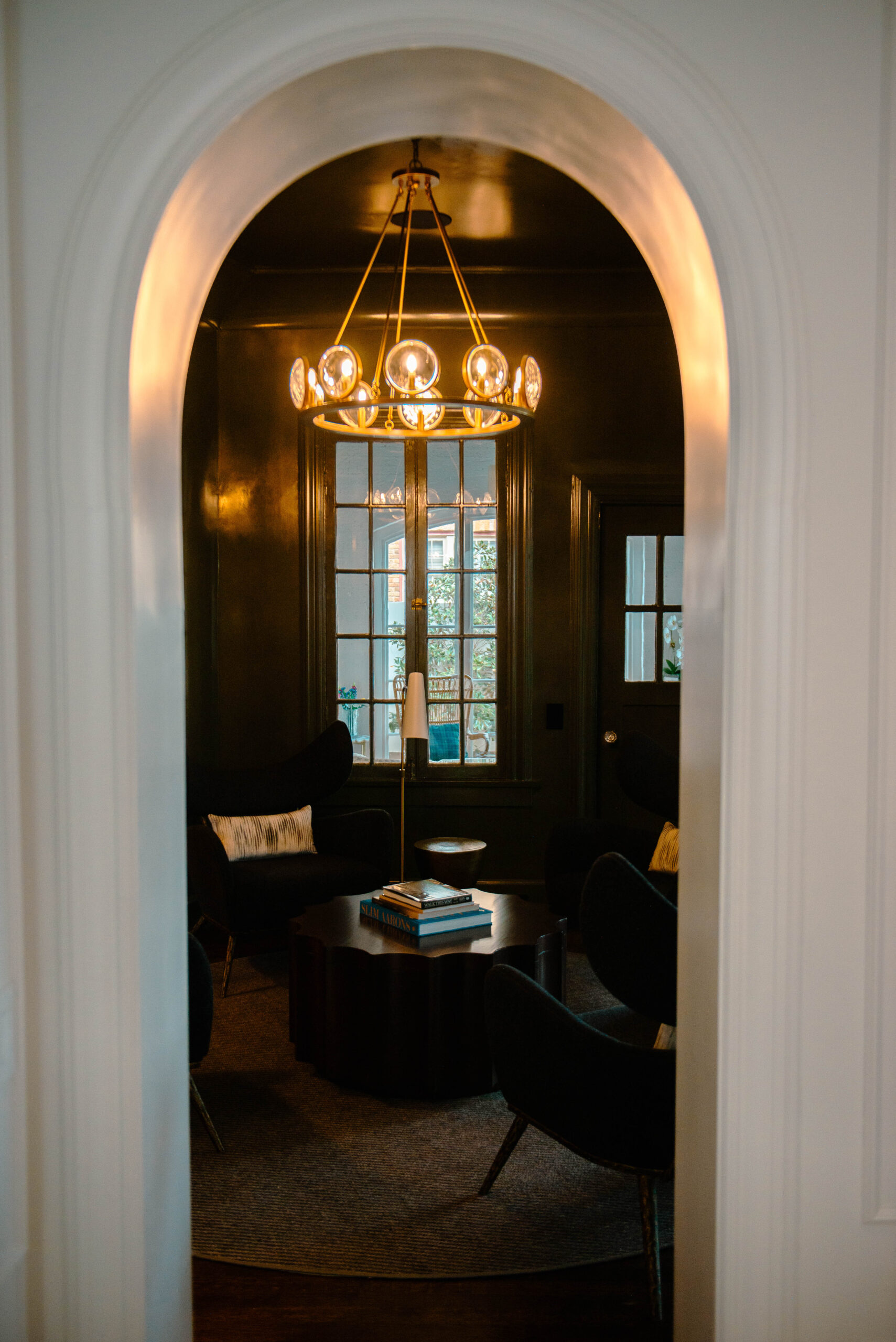
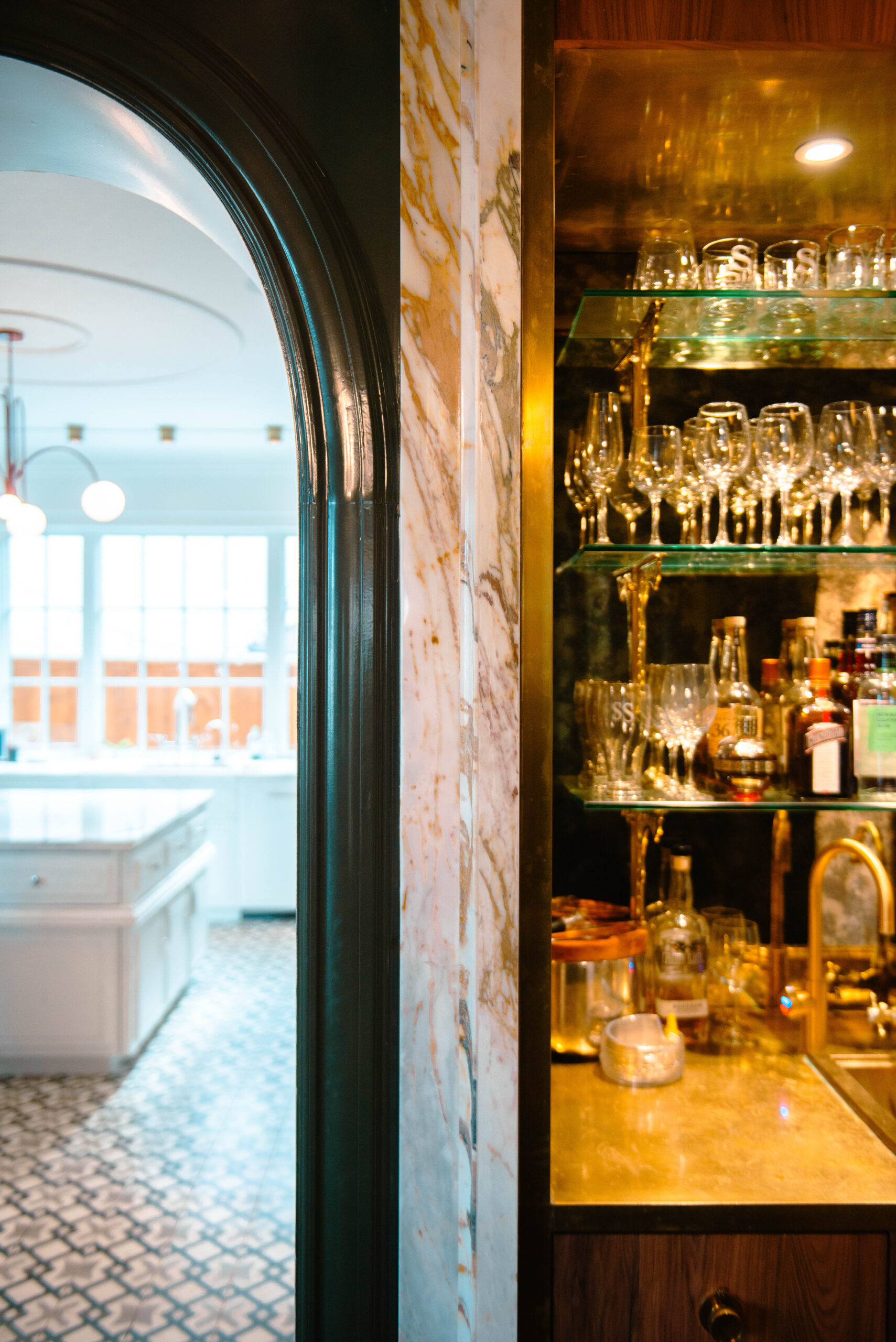
Interior design elements throughout the home look retro, especially the lounge near the kitchen. This darker room, also green, with its attached brass wet bar, radiates adults-only energy. Chairs are circled around a star-shaped coffee table; this is a place Andy and Jennifer Scripps can spend time after dinner with their friends as their children play elsewhere. Maestri described the design of this room as a blend of Art Deco and 1960s James Bond flair.
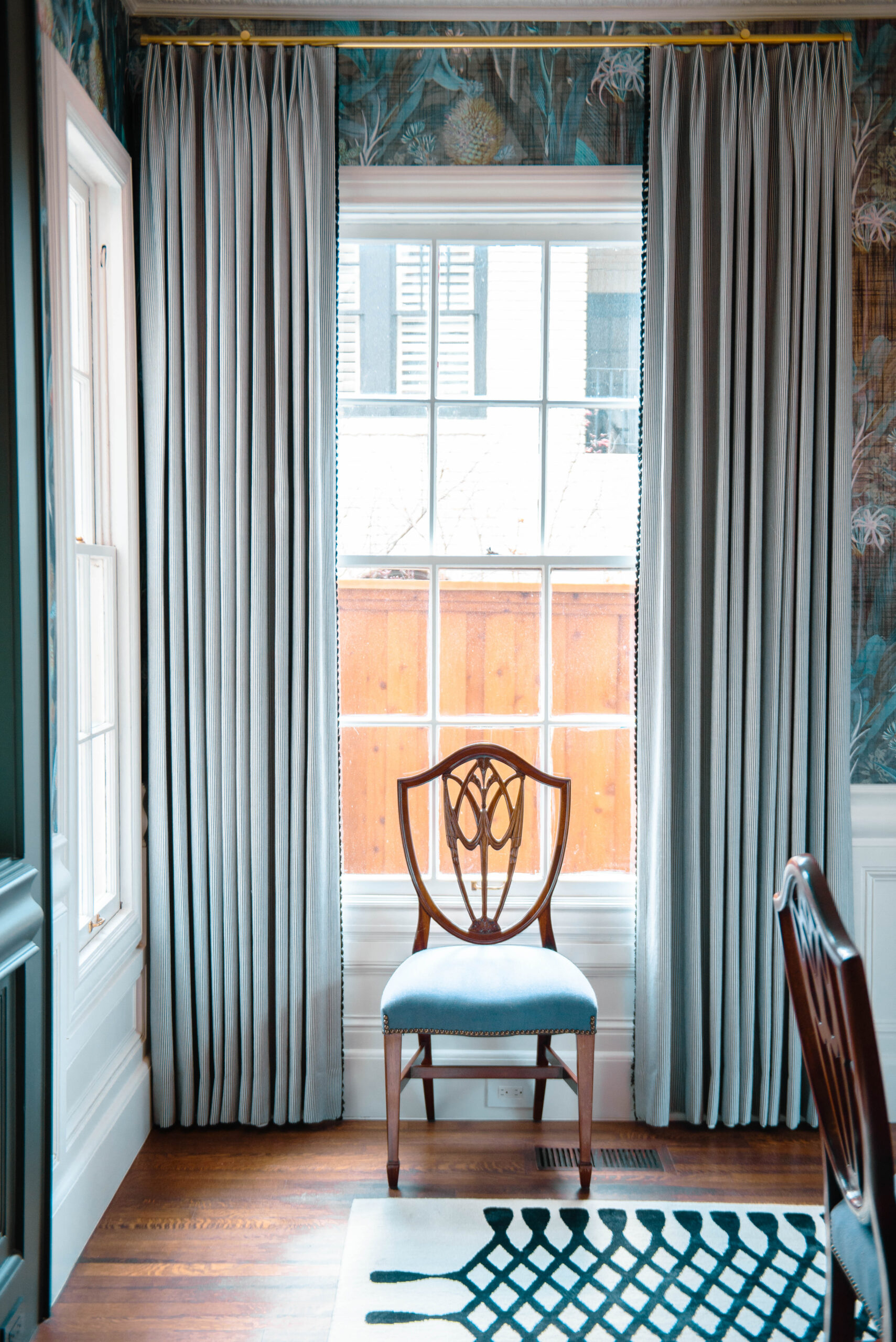
As Scripps put it, and Maestri agreed, older homes have special qualities that new ones don’t. Quirks are inevitable, and there’s always something that can be worked on, but that’s part of the appeal.
“They just have a feel to them that you don’t get in a modern home,” Scripps says. “They just have charm and bones that you could try to replicate, but I think you would know it was replicated, especially the outside structure.”
