

Abdominal pain. Bloating. Abnormal bleeding. Sweating. Nausea. Decreased appetite.
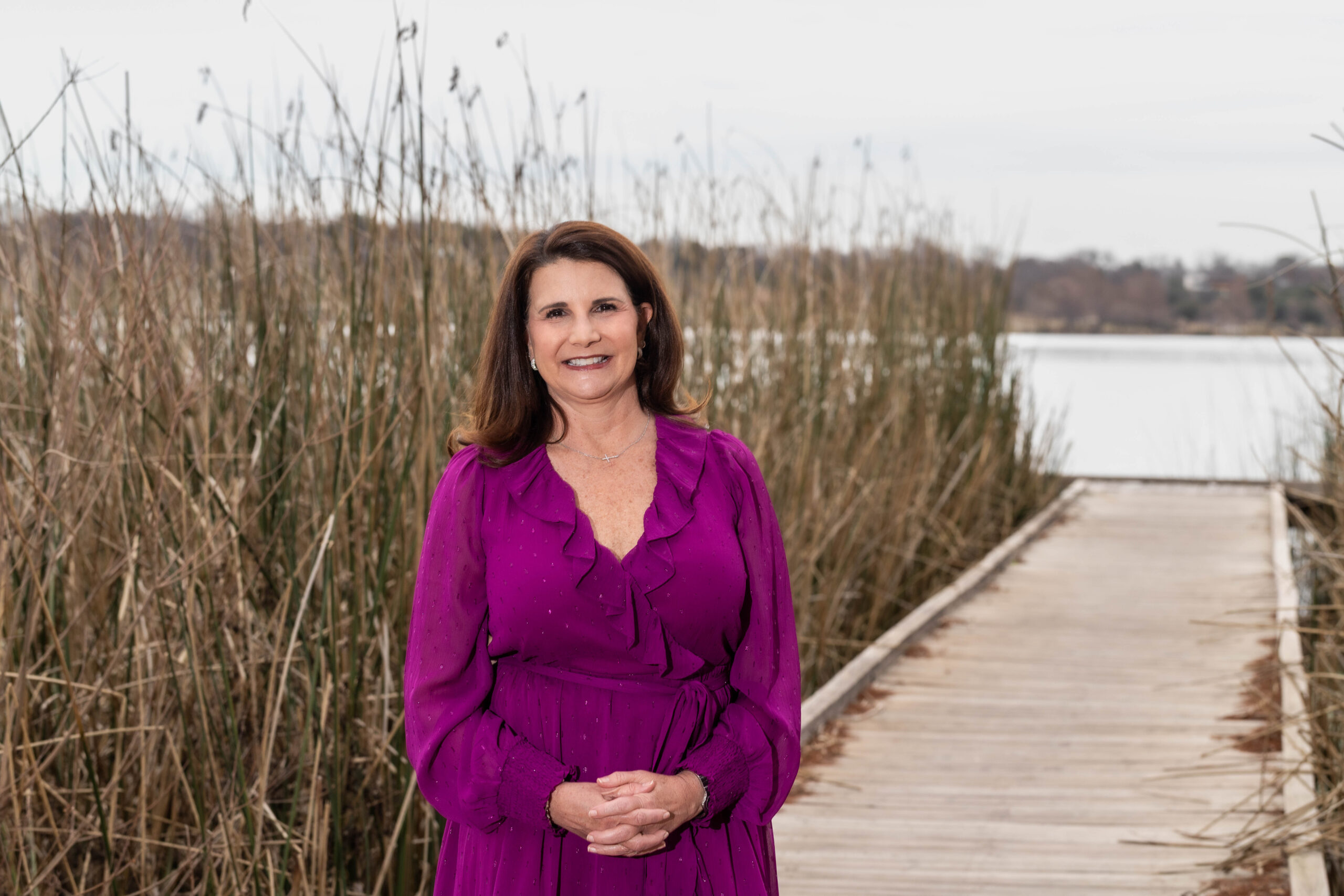
Photography by Jessica Turner
What could those symptoms mean? Lakewood Heights neighbor Nicole Moler, who works at Parkland Health managing advanced practice for surgery specialties and neurosciences, thought she was transitioning into menopause. She actually had uterine and ovarian cancer.
Moler was diagnosed with ovarian cancer in August 2017. A couple of months before then, she had gone to her gynecologist after several instances of abnormal bleeding. As she was preparing for an elective hysterectomy, her doctor performed an endometrial biopsy and determined she had uterine cancer. While waiting for an appointment with a gynecologic oncologist, she experienced bloating and abdominal pain, but also weight loss. After running through scans with the oncologist, a 10-centimeter ovarian tumor was found.
The news was shocking. Moler didn’t think she was at risk for ovarian cancer. She had children, she did not test positive for BRCA gene mutations, and she didn’t have a family history of the disease. She was only 45 years old.
“I take care of a lot of brain cancer and spine cancer (patients), and so when you take care of that, you always think that it’s not going to ever be you,” she says. “You’re never going to be the patient.”
Who knew that years later she would be summiting Mount Kilimanjaro to raise money for fellow ovarian cancer survivors?
Moler quickly moved into surgery after she was diagnosed with ovarian cancer, especially since she had a ruptured tumor and signs of peritonitis (inflamed abdomen). Her elective hysterectomy that was going to be performed robotically turned into a radical hysterectomy with a big incision. After that, she was prescribed six rounds of chemotherapy.
During this time, her community at St. Thomas Aquinas Catholic Church rallied around her by organizing meal trains and making sure her boys got to and from middle school. She also had a group of friends that stayed by her side during her chemotherapy sessions and children praying for her in her boys’ classes at St. Thomas Aquinas.
“I don’t think I could have done it otherwise,” Moler says about the community aid.
Her family was there for her as well. Despite their fears, Moler says her children helped out at home while she was going through treatment.
“I also was pretty strong in my faith and kind of was preparing myself for the worst, as far as if it’s my time, it’s going to be my time, and how do I prepare my boys and my husband for that,” she says. “But also, I wasn’t going to give up.”
Moler’s surgery and treatment went about as well as it could have, save for her initial allergic reaction to one of the chemotherapy agents.
“At first, when it happened, and I had the allergic reaction, I was like, ‘Oh my gosh, what’s going to happen now? I’m not even going to get standard care,’” she says.
Moler had to receive the drug at a slower pace but was grateful to still have access to it.
During chemotherapy, she continued to work Monday through Thursday. She eventually lost her hair and resorted to wearing a wig at her job so her patients didn’t know she was going through treatment.
“I didn’t want anyone to feel sorry for me,” she says. “I didn’t want to be the patient, especially when I take care of patients who are really, like, they’ve had devastating things happen — for the most part, some of them have — and so I just didn’t want there to be like, ‘Well, I’m sick, too.’ I wanted to be able to be non-biased of taking care of them and them not realize that I was a patient, also.”
Moler finished chemotherapy in February 2018 and is celebrating eight years of being cancer-free.
Since then, Moler discovered the organizations National Ovarian Cancer Coalition and Be the Difference Foundation, both based in Dallas, and started participating in events, like the foundation’s Runway for Hope fundraiser.
“I was about five years out, or almost five years, and I felt like I was ready to kind of bring awareness because when you’re in the moment of it, I kind of just wanted to get through and was more focused on myself and my family,” she says.
Moler also took on a few endurance events with the coalition. In addition to summiting Mount Kilimanjaro, she walked in the Dublin Marathon and rode on a tandem bike in New York City. Next, she and her younger son are planning a hike up the Ausangate Mountain in Peru.
“It’s huge,” she says about her trip to Mount Kilimanjaro. “It’s life-changing. It’s so rewarding, but it’s so hard. Besides the things like no running water for the whole time, our trek was six days up and one day down, and so because of the altitude, the slower you go, the more successful you’re supposed to be.”
All of this is to raise money to support people impacted by ovarian cancer and fund research, plus bring awareness to the topic. Joanne Yurich, an advocate for ovarian cancer awareness, called the sickness a “silent killer” because the signs are often vague.
“The symptoms are so commonly misdiagnosed,” Yurich says.
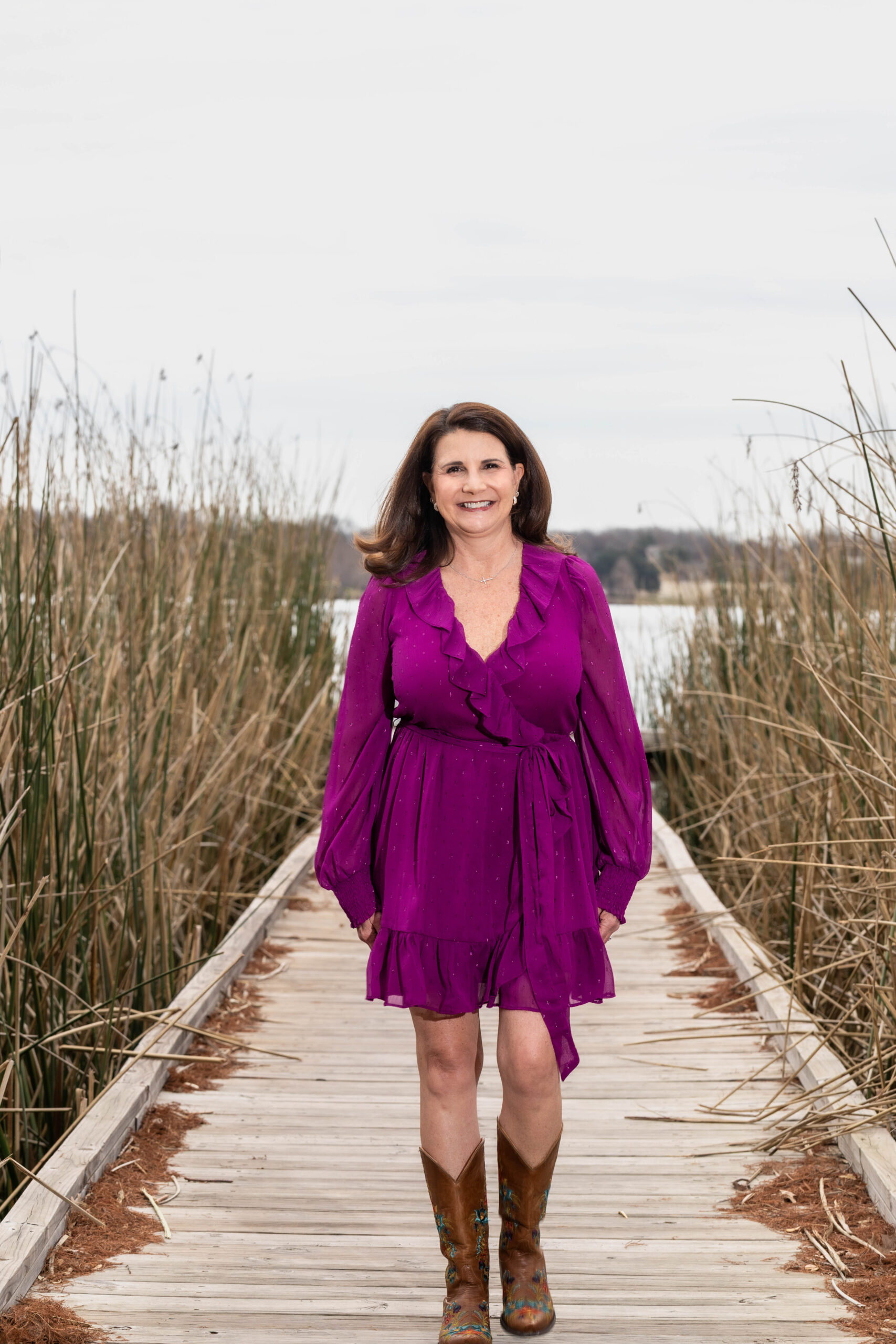
Moler recommends that women advocate for themselves in the doctor’s office. Without her medical background and her good relationship with her gynecologist, she sees how her concerns could have been dismissed.
“If anything, that’s what I would tell women, is to trust your body because some of those complaints, they say they’re perimenopausal, or you could be depressed, and they just kind of get written off as changes of life,” she says. “That’s not always the case, and I think because I did have the knowledge — I didn’t think I had ovarian cancer — but I have the knowledge of, ‘I’m not going to tolerate this.’”
Moler also wants people to know that noticing symptoms earlier increases treatment options and survivorship for those who do have cancer. Those with a family history of ovarian or breast cancer should seek genetic testing, she says.
“There is a community out there that will support you through all the hard times of going through it,” she says. “We’re small, but we’re mighty.”
