

At the end of January, Dallas lost an Indigenous educator and advocate. To Oak Cliff neighbor Tana Takes Horse, she was “an Indian Ed icon.”
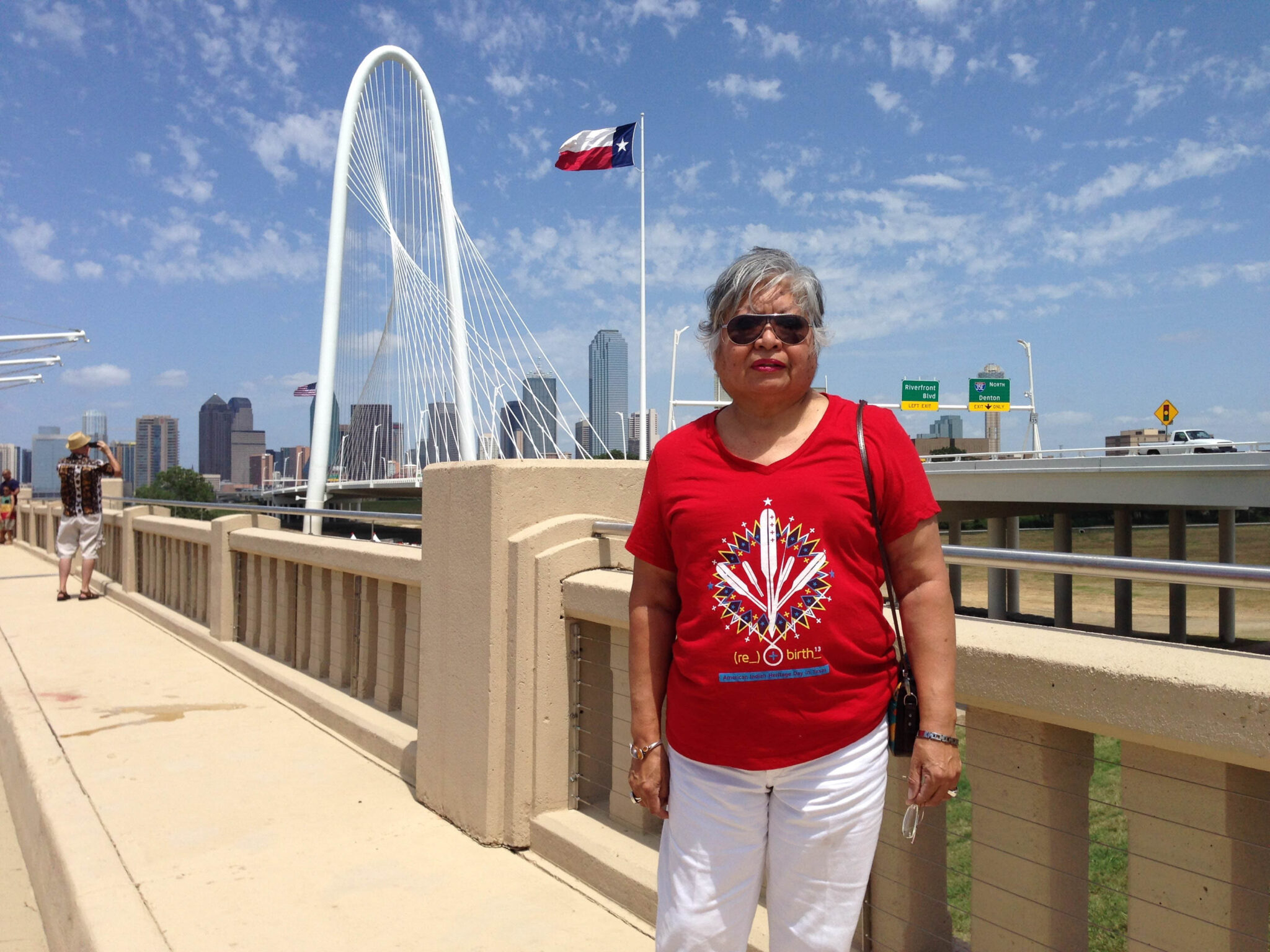
Photos courtesy of Brian Larney.
That icon was Peggy Larney.
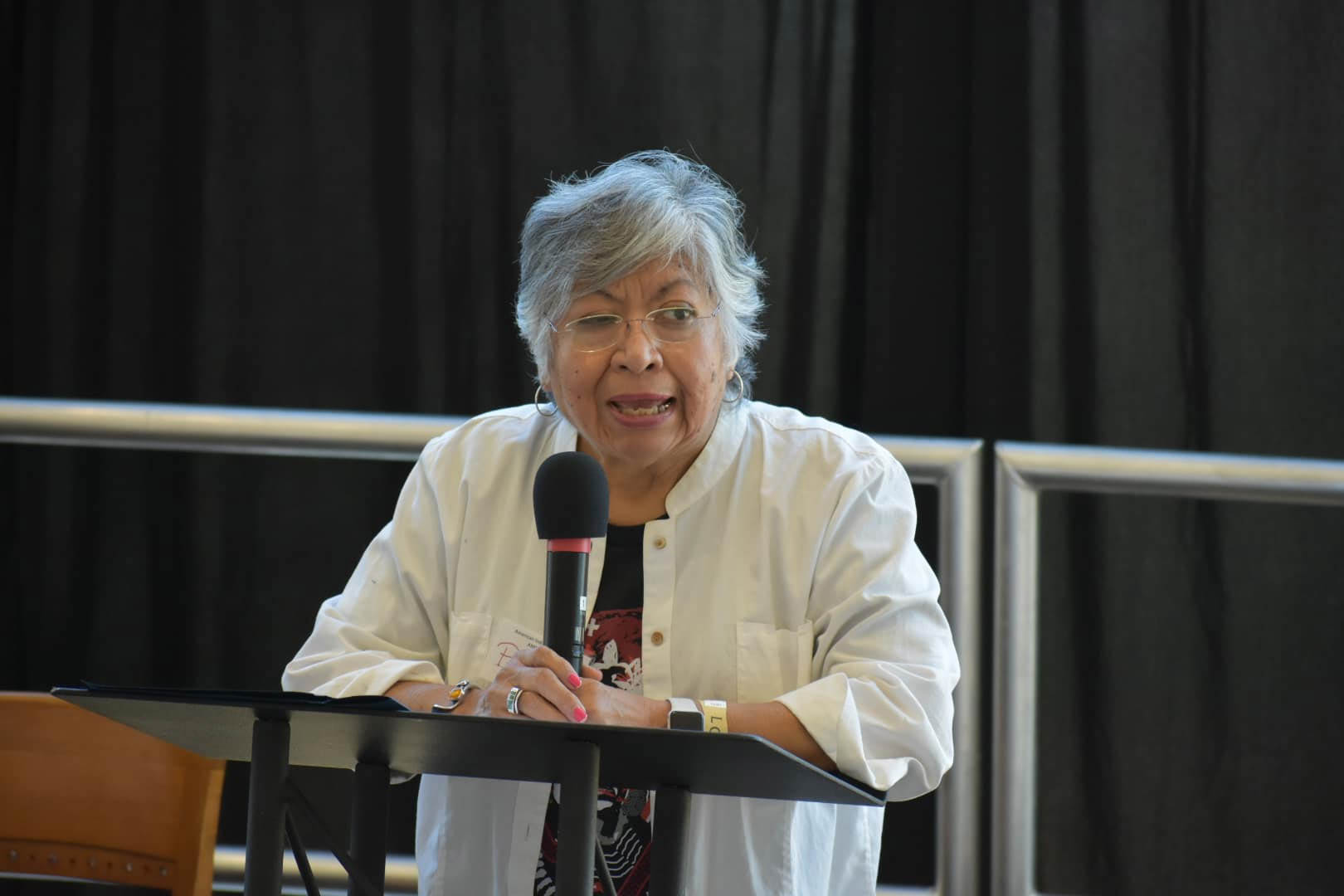
Larney, a citizen of the Choctaw Nation of Oklahoma, saw the importance of using her voice to support students and extended her work to both the city and state levels.
Through the Dallas ISD American Indian Education Program, she provided “services to support the unique educational and cultural needs of American Indian and Alaska Native students.”
When Larney began the program, she would go to schools to tell stories and would sometimes include dancers. She then moved into more curriculum-based concepts.
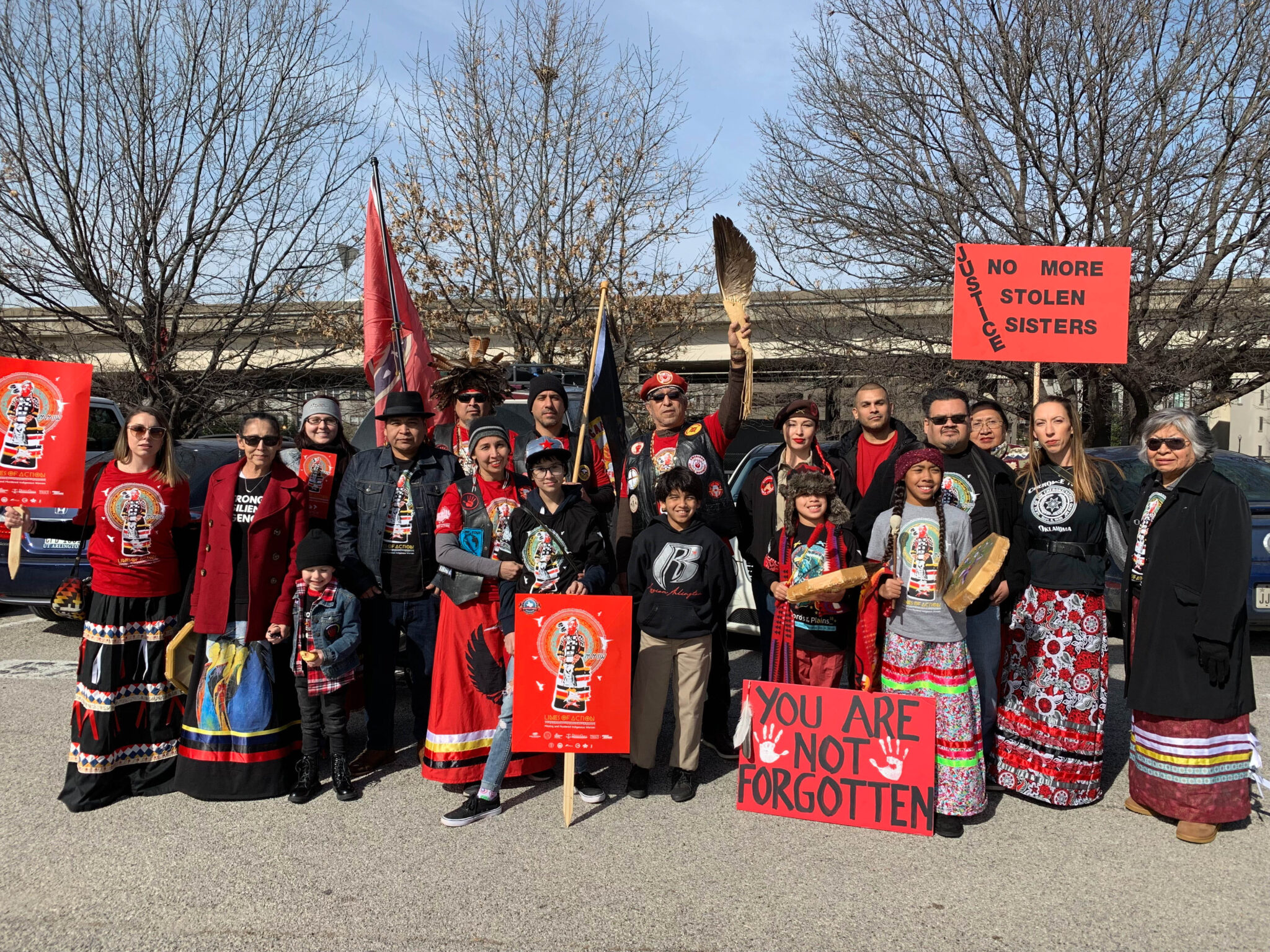
She was also a force for change. She led the removal of 10 Native American mascots and logos from Dallas ISD schools over two years. She filed a complaint alongside two co-workers, asking for the mascots to be changed in August 1997.
Larney founded Indian Citizens Against Racial Exploitation (ICARE), to help that cause and educate the wider community about how negative stereotypes in the media and other sources can affect the Native American population.
“Unless you’re an American Indian, it may not be as personal,” said Larney in a May 1999 article from The Dallas Morning News. “But our school district is 85% ethnic minorities. Here in Dallas, we do not promote stereotyping.”
At the state level, the first ever American Indian Heritage Day in Texas was designated after she formed a committee with the Southwest Jewish Congress and local Native Americans, garnering the assistance of Jodi Voice Yellowfish and State Rep. Roberto Alonzo to write and introduce the bill.
It passed unanimously through the Texas House and Senate, with the governor signing it into law in May 2013 to mark the last Friday of September as American Indian Heritage Day.
Larney was born in McAlester, Oklahoma, in 1944. She went on to attend Haskell Institute in Lawrence, Kansas. Her time in Dallas dates back to the Indian Relocation Act of 1956. The law was created with the intention to move Native Americans from reservations to urban areas.
Brian Larney, Peggy’s son, says that she first moved to East Dallas that year because of the act. He says there are both positive and negative outlooks on the act.
“There’s a lot of gaps that happened,” Brian says of the resources available at the time from the Bureau of Indian Affairs (BIA). “They weren’t positive, but they survived.”
He recalls that Larney lived with four girls in one room. She went through a couple of different jobs, at one point working for the Dallas Police Department.
“She was there when Kennedy got shot,” he says. “There was another American Indian lady there, and she was interviewing (Lee Harvey Oswald) … I think my mom was interviewing the wife and Lee Harvey’s mom. And even when you see all those pictures, they’re in there, like all the white people with the hats, that’s their bosses.”
From there, Larney went on to marry his dad, Larry Larney. The couple had two kids, and she attended Mountain View College and El Centro College before earning a bachelor’s degree from the University of Texas at Arlington.
Upon graduation, she discovered the American Indian Education Program.
“They couldn’t even tell her what tribe they were, and she knew they were Native because they were enrolled in the program,” Takes Horse says. “So she saw the need of educating those Native students on their culture because it had been lost due to the Relocation Act, and now I have students that are grandchildren of the Relocation Act … it’s an ongoing process, and that’s why she started it.”
Takes Horse, who is Crow, Chickasaw, Choctaw, Chippewa and Hidatsa, currently serves as the American Indian Education Program Coordinator for Dallas ISD. When she stepped into the role to revive the program in 2025, she did not know the extent of Larney’s work.
“I want to say when I first met her, I did not realize that she had already had this job, that she had already been the director of the Indian Ed program. I thought she was a community member,” she says.
A lot of today’s iteration of the Indian Ed program comes from the work that Larney had done before.
“I still go visit every single one of my students once a month, and we read a book, and we discuss it, and we discuss reading curriculum as well as just learning about Native culture,” Takes Horse says.
Larney also supported youth sports, but especially basketball, with help from Leo Wesley.
“I was the son, and he was actually the worker under my mom. He has a good perception of the game, too, but he played coach and knew the parents and the kids, and that was kind of the goal,” Brian says. “It wasn’t basketball. It was more of a start getting the American Indian kids and the parents to start knowing who’s in the DFW area with the district. And how do you get them to intertwine, play and get to know each other and through a sport mechanism?”
Larney’s life and legacy have made a lasting impact in Dallas. Her work continues to inspire today.
Brian has focused much of his activism through art because of what his parents taught him — to show authenticity. He says he wanted to break the mold in advertising because of the racist mascots and the imagery he saw on TV.
“So I tackle a lot of American Indian issues. And it might be for the City of Dallas, might be Fort Worth. It might be tribal or sovereignty-related, or it might be trying to help out American Indian children through different issues, but it’s so broad,” he says. “It requires what you can do to help out American Indians and so even then the other part is that we have causes that are Missing, Murdered, Indigenous relatives that do mean women, transgender and making sure that you help out everybody.”
For Takes Horse, she says that Larney continues to remind her to keep using her voice.
“I think for a long time, I was afraid of what people would think,” she says. “Seeing how she lived her life and how she advocated for Natives, that (shows) that my voice matters and I need to use it. I’m an educated Native woman, and I can use my voice to help others.”
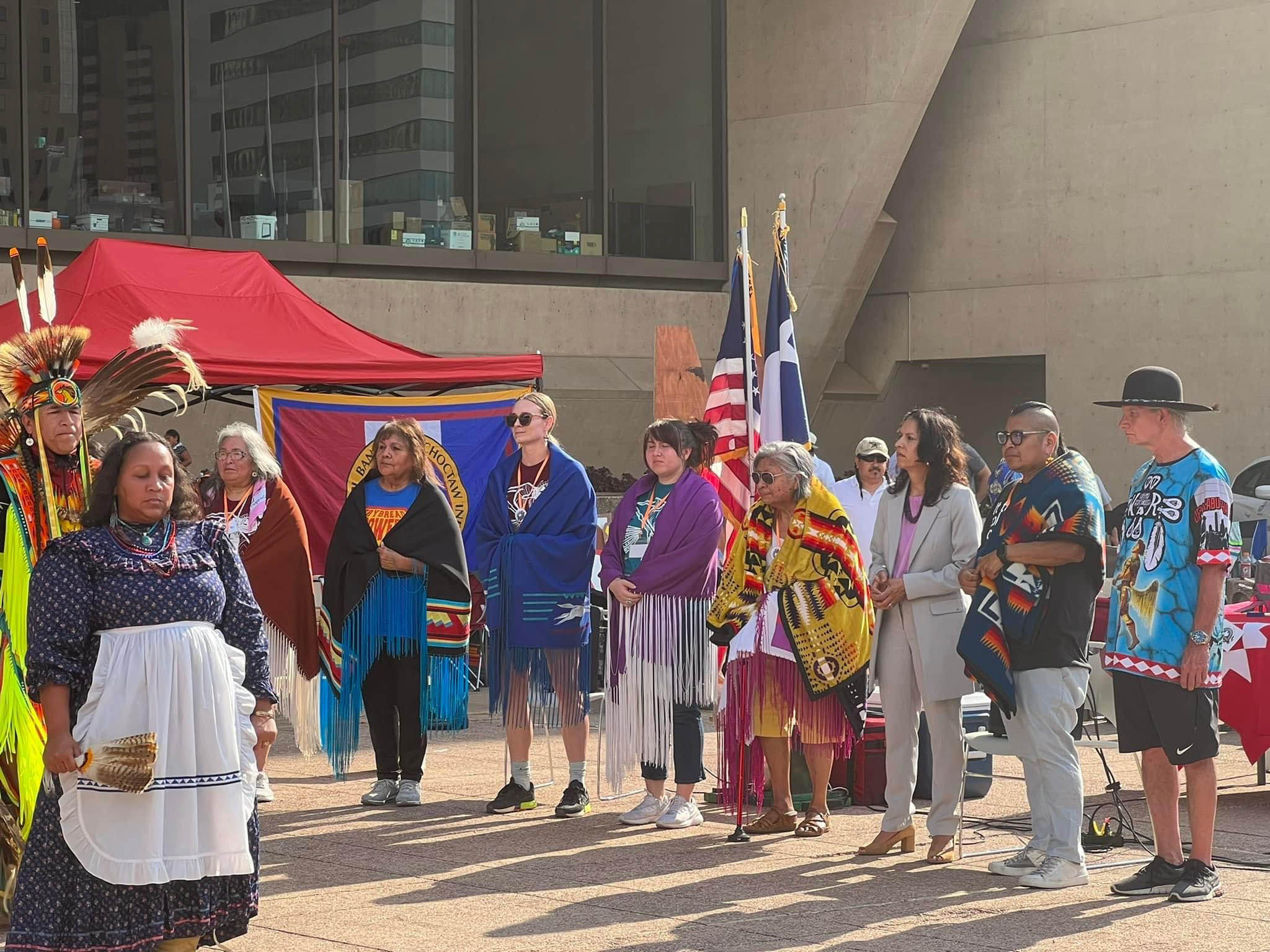
Takes Horse says seeing Larney participate in powwows at City Hall was also impactful.
“Especially because, not too long ago, Natives weren’t even allowed to do their Indian dances,” she says. “They weren’t allowed to have powwows; it was illegal, and to see it there in City Hall in front of everybody was amazing. We’ve come so far, and yet we still have so far to go.”
