

“What did you notice about that exercise? What did you notice about yourself?” White Rock Stables instructor Julie Wilson asks 11-year-old Evie.
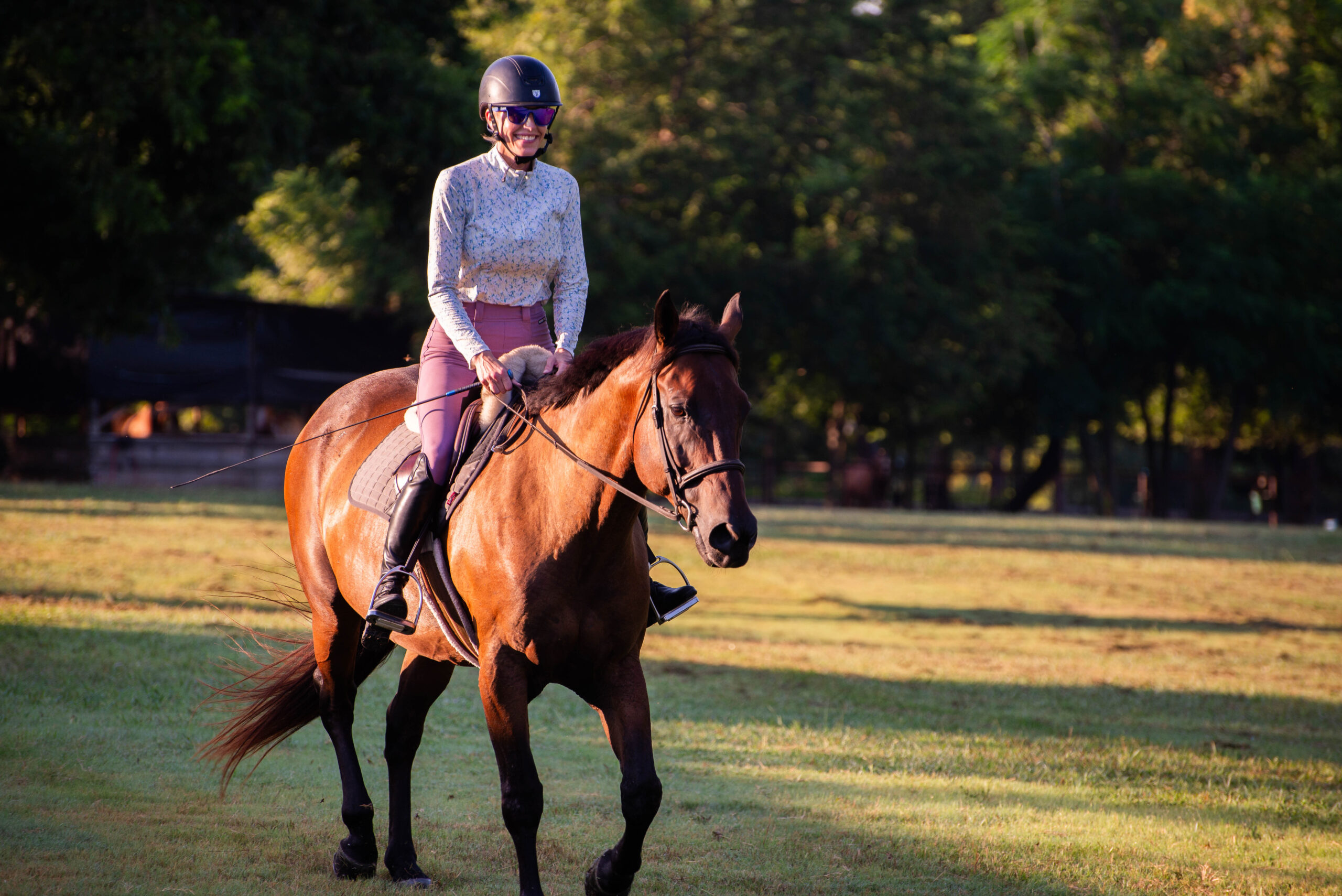
Photography by Lauren Allen
The exercise in question takes place in a riding ring toward the back of the 14-acre property neighboring Flag Pole Hill Park. Standing a few feet away, Wilson watches on as Evie leads two-year-old Balou, an Irish sport horse standing nearly 16 hands (five feet) tall, across the sand.
Following a few turns around the ring, she asks the student if she’s comfortable letting the horse off its lead for “liberty work.” While both student and horse eventually get on the same footing, at first, there’s some trepidation — it’s a 1,000-pound animal, after all.
“Really a lot of it is directed towards having her look at herself, like when she said, ‘Well, I don’t think he’s going to follow me,’” Wilson says. “That’s self doubt, and we all walk around that. And with practice, (horses) can teach you to notice that more readily, and then we can change that, or alter that, or show up in a different way.”
White Rock Stables has been “healing with horses” with exercises like these for about nine months now. It’s not formal animal therapy like programs offered at Equest or Manegait, nor is it a set program. Instead, it’s a casual service available for neighborhood children, seniors and others seeking positive connection with the animals.
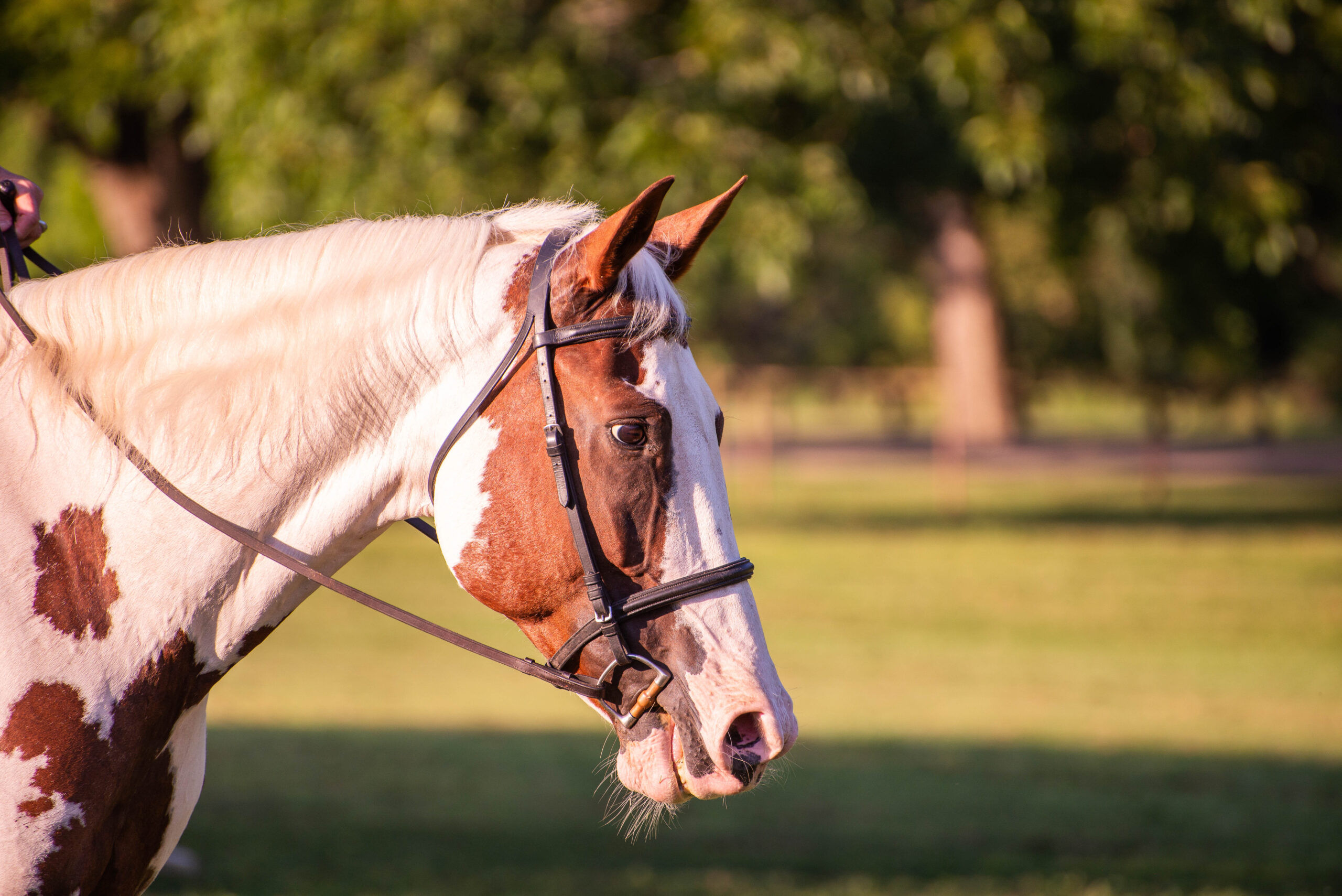
Amelita Facchiano, the stable’s manager, has been with the stables for almost half of its nearly century-long history. For her, the sessions are just a continuation of the Oddeson family’s original mission.
“We were some of the little kids that Tex Sr. used to take the tractor for hay rides on Flag Pole back in the day,” Facchiano says. “Realistically, my intent and purpose is, in addition to creating harmony with horses, is to carry on the legacy that Tex Sr. started here back after the Depression. His son was very good at that, too. Both Tex Sr. and Jr. were caretakers of man and animal kind. This was one of the first places I actually felt accepted in life.”
Facchiano says she’s been looking to provide more opportunities for the community to engage with the stables for a while. She describes the sessions, as they’re offered now, as a trial run to see what neighbors would want in a structured program.
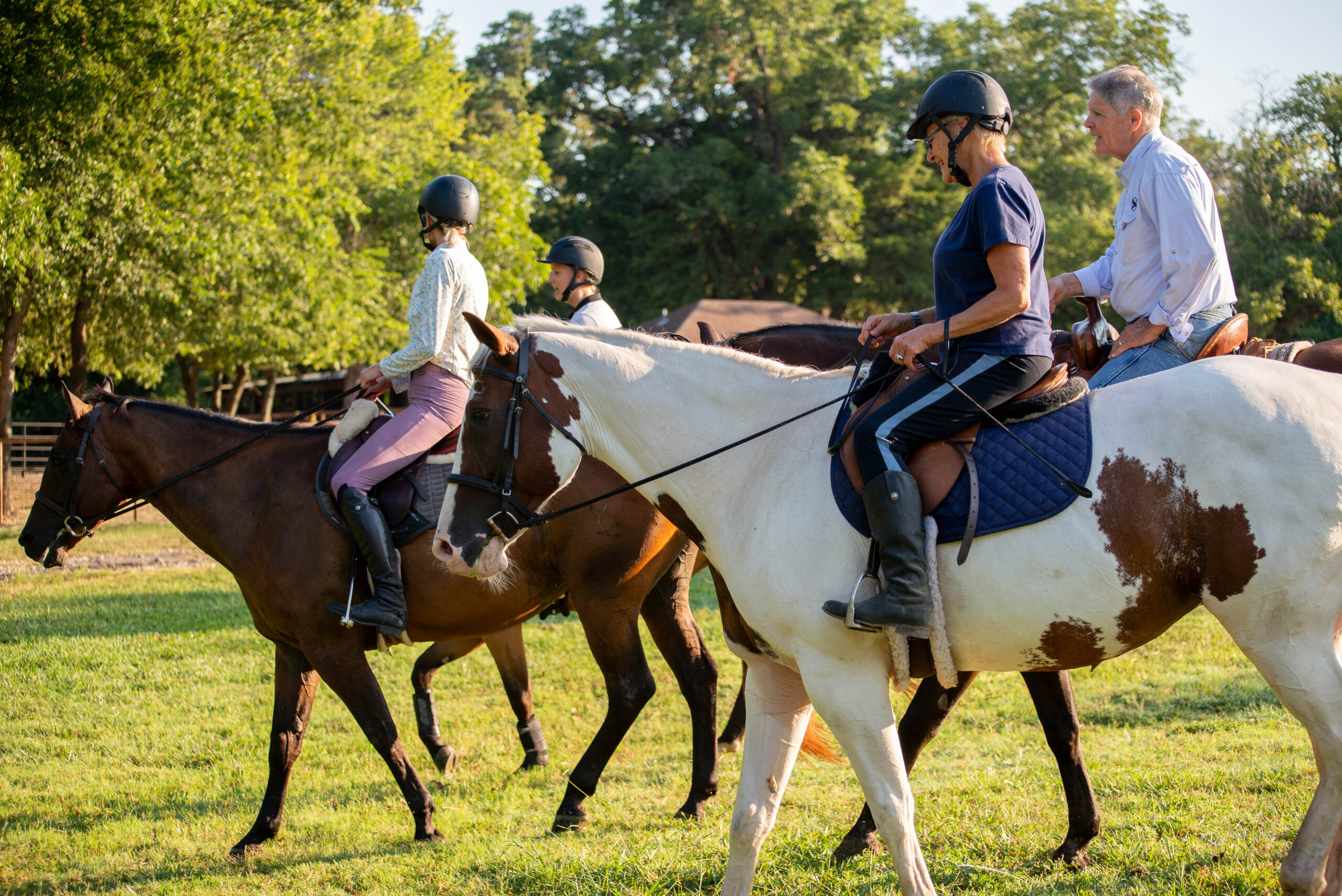
The sessions are free of charge, with most of the interest coming so far from families with adolescent children. Sessions are typically kept in groups of three to keep both horse and student comfortable.
Before anything else, Facchiano meets with the children and their families to assess energy levels and mood, both of which can have a big impact on the animal, she says.
“If the kid is frightened, then we’re more apt to just take them around and show here’s the four amigos, here’s the three amigos, and let them pick up peacock feathers,” she says. “But if they’re a little bit older, and they’re willing to put their hands on the horse, then we would like to have them have that experience.”
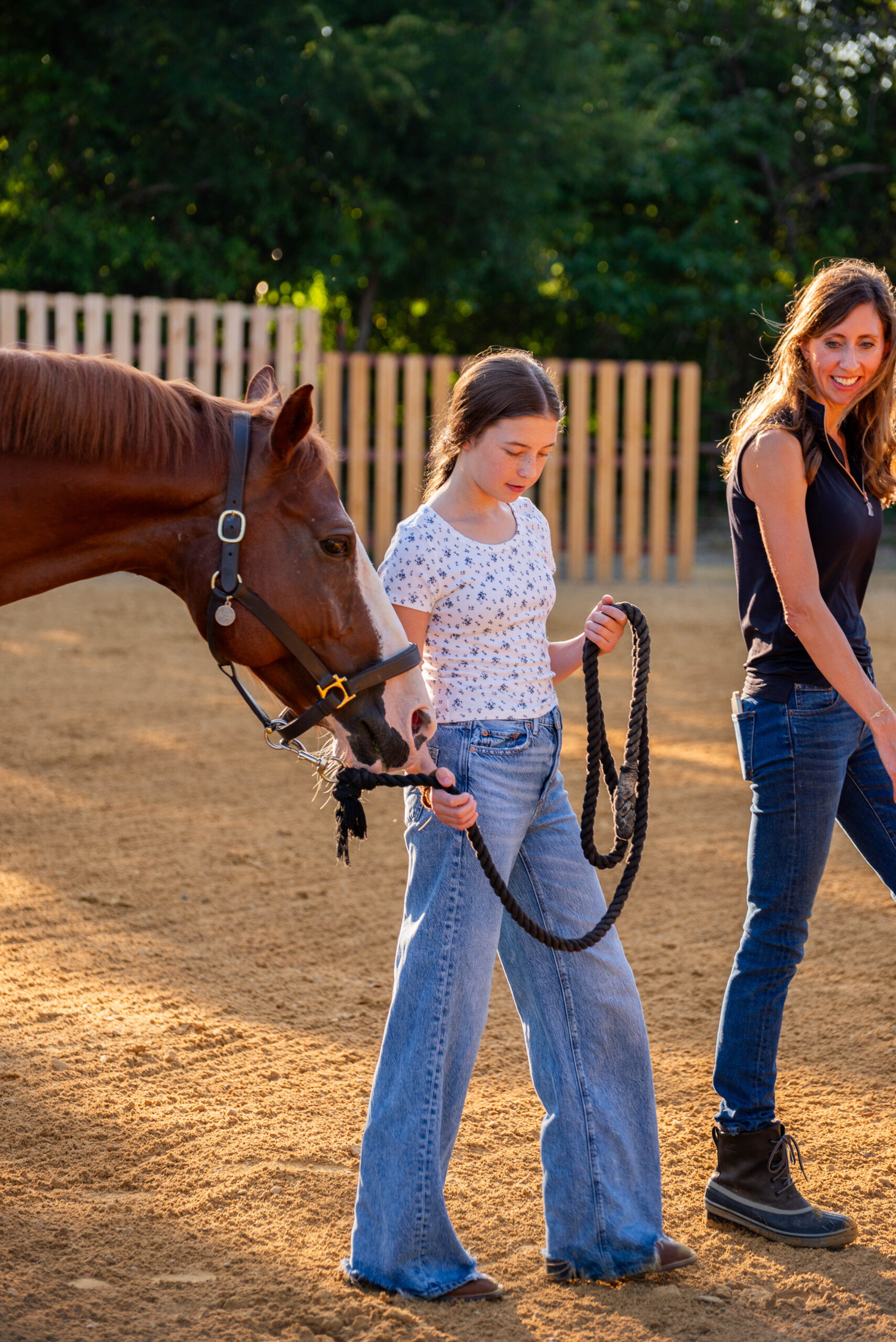
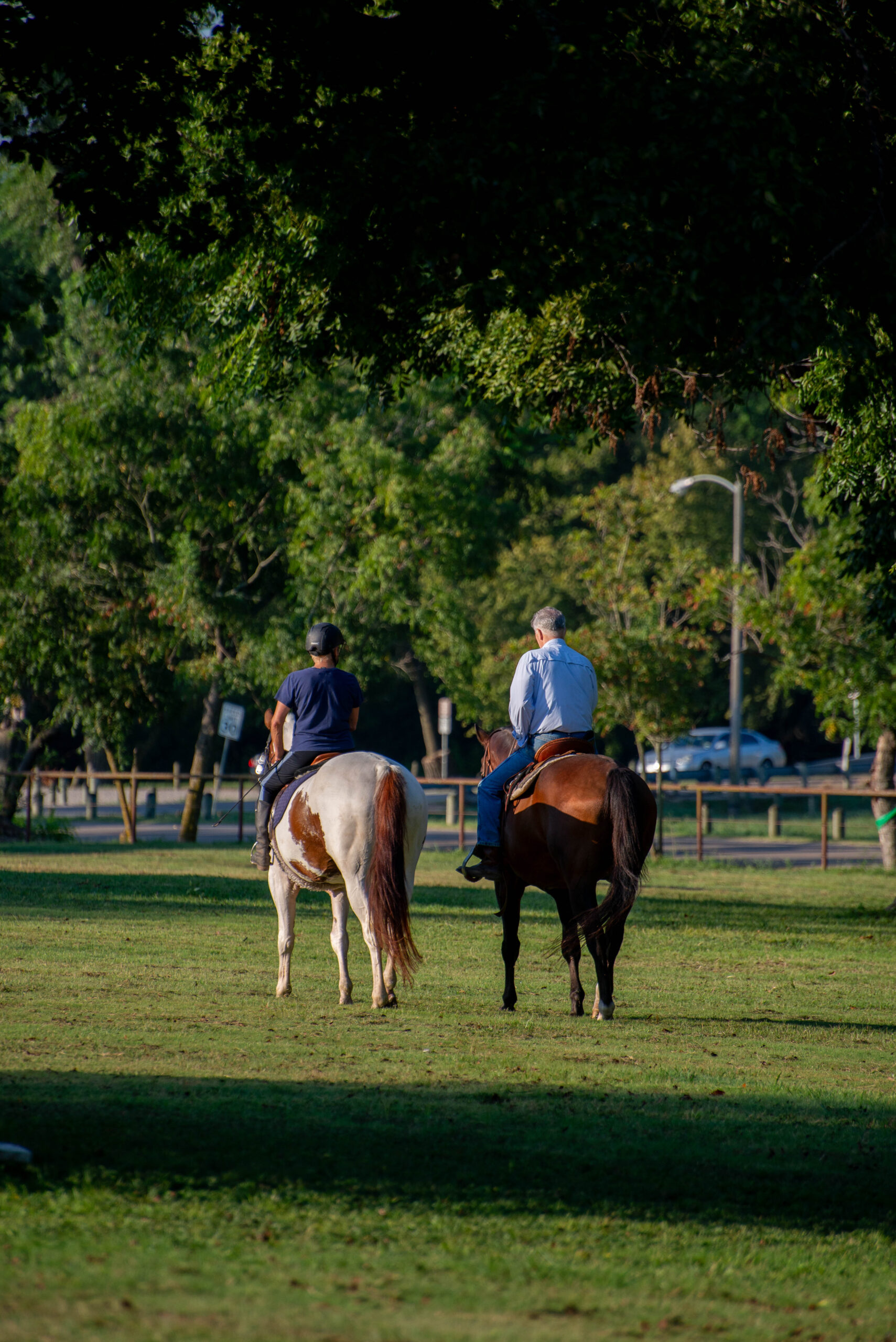
Children who pass the test can lead, walk alongside and pet the animals. In special cases, participants can even paint a horse’s coat, an experience that marries the freedom of vulnerability with artistic expression. That freedom, Facchiano says, is the key to what she’s trying to achieve with the sessions.
“We’re not here to tell them they’re right or wrong,” she says. “It’s never about whether you’re right or you’re wrong. It’s about letting them have the freedom to express, and if art helps them get calm enough to start opening up, to feel some things about their life they like or don’t like, then that’s kind of the whole idea.”
