
This article is an update to “An SMU student is documenting the hidden history of Oak Cliff Freedmen’s Town” published in September 2024.
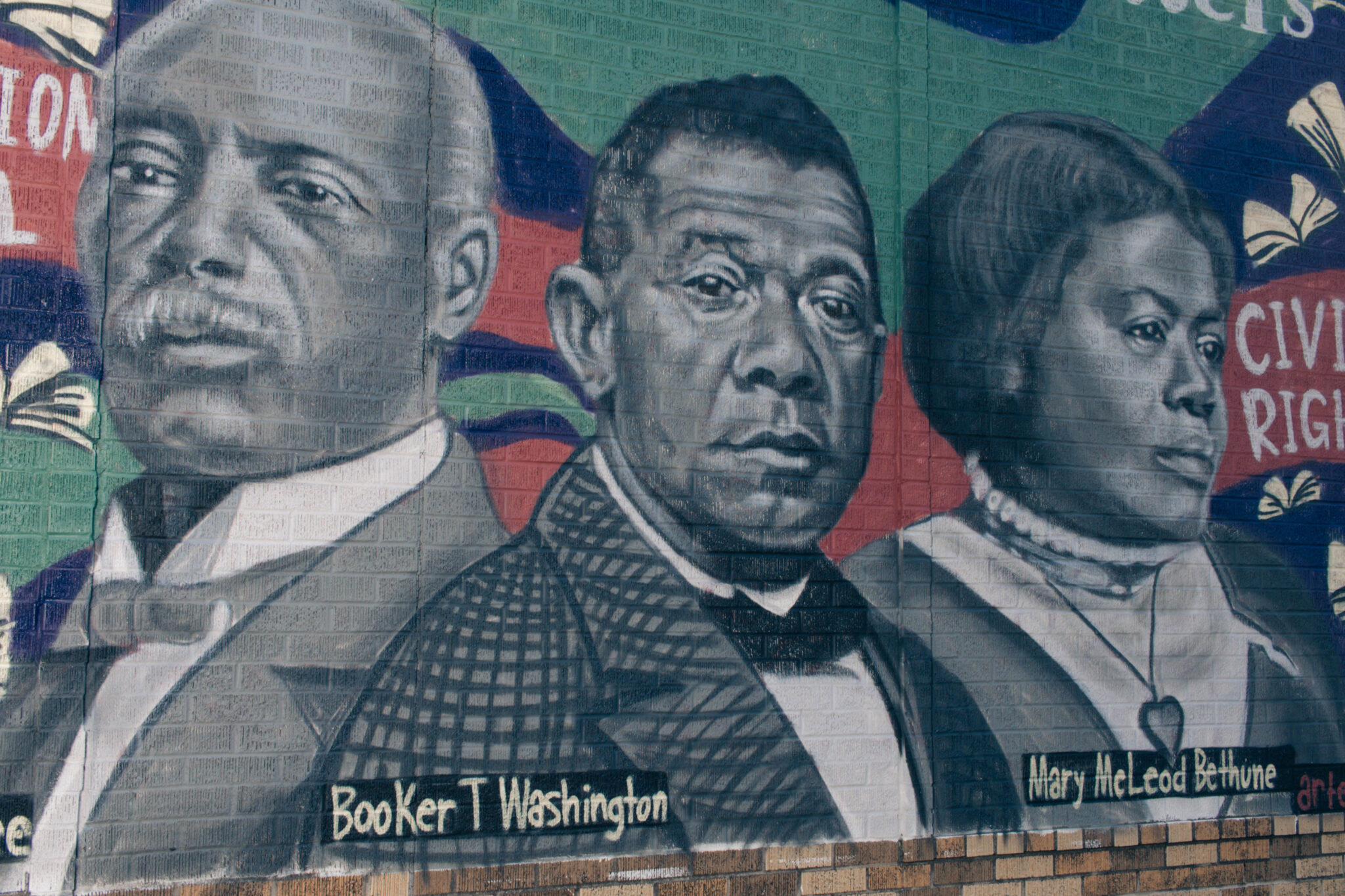
Photography by Amani Sodiq
Living in Tulsa has not put a stop to revisiting their Dallas ties. In fact, one descendant of Tenth Street residents is about to return to the largest remaining Freedman’s Town in the United States.
In 2020, Tameshia Rudd-Ridge and Jourdan Brunson joined a Clubhouse chatroom with a group of folks interested in genealogy. Through that online connection, the two learned that they were researching the same surnames and small towns, leading to the discovery that they were cousins.
This is the origin story for kinkofa, a tech company that provides resources for Black families to document, share and preserve their stories. A direct expression of that work is the umbrella project If Tenth Street Could Talk, which is grounded in a partnership with Remembering Black Dallas and supported by funders such as the Library of Congress and the Mellon Foundation. By following the descendants and residents that work to preserve the history of the district, the pair focuses on community-driven documentation to collect those stories as oral histories.
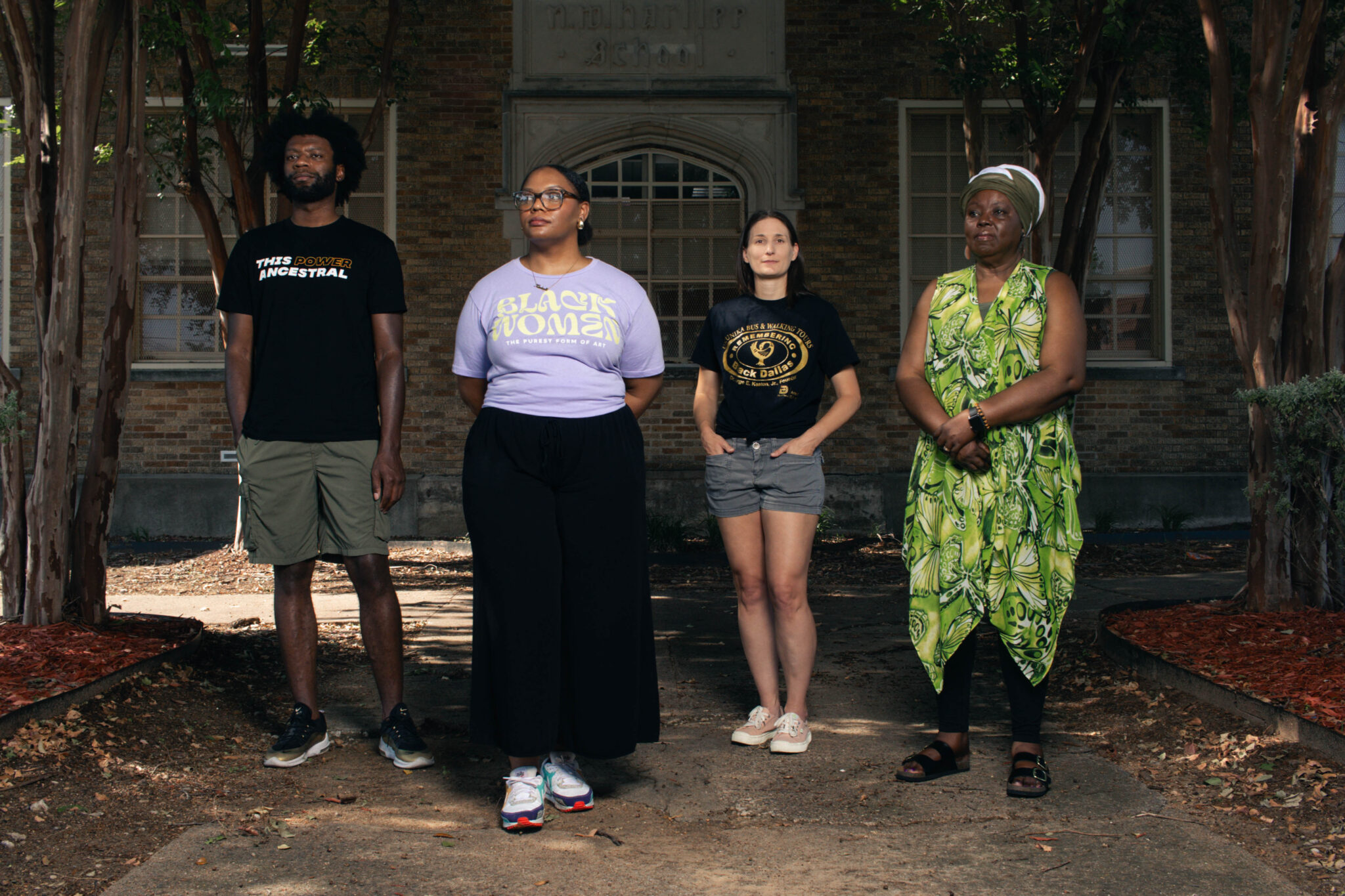
Kinkofa_Amani_Sodiq-1
“What sets this project apart from something that might be more historical in nature (is) a lot of our stories live with us,” Brunson says. “We got to contextualize them and include things like family history and migration patterns, but also some other cultural traditions, like broken glass at the cemetery and the story that tells some of the events and traditions that happen within the community, and then finding parallels between other communities across Dallas and really, across Texas. There’s been just a deeper fabric weaving of really how Black people live, how we survived and how we pass on our history. Tenth Street tells all of these stories.”
Since receiving the Community Collections Grant from the Library of Congress’s Of the People: Widening Path initiative for their project in 2023, the documentation of the Tenth Street community has been compiled into an archive of nearly 500 artifacts. However, the release has been delayed.
“It’s kind of held up by the shutdown and administration, but we submitted it over a year ago, and so it was supposed to be up by November,” she says. “We haven’t seen it up there yet, but one day, it will live there.”
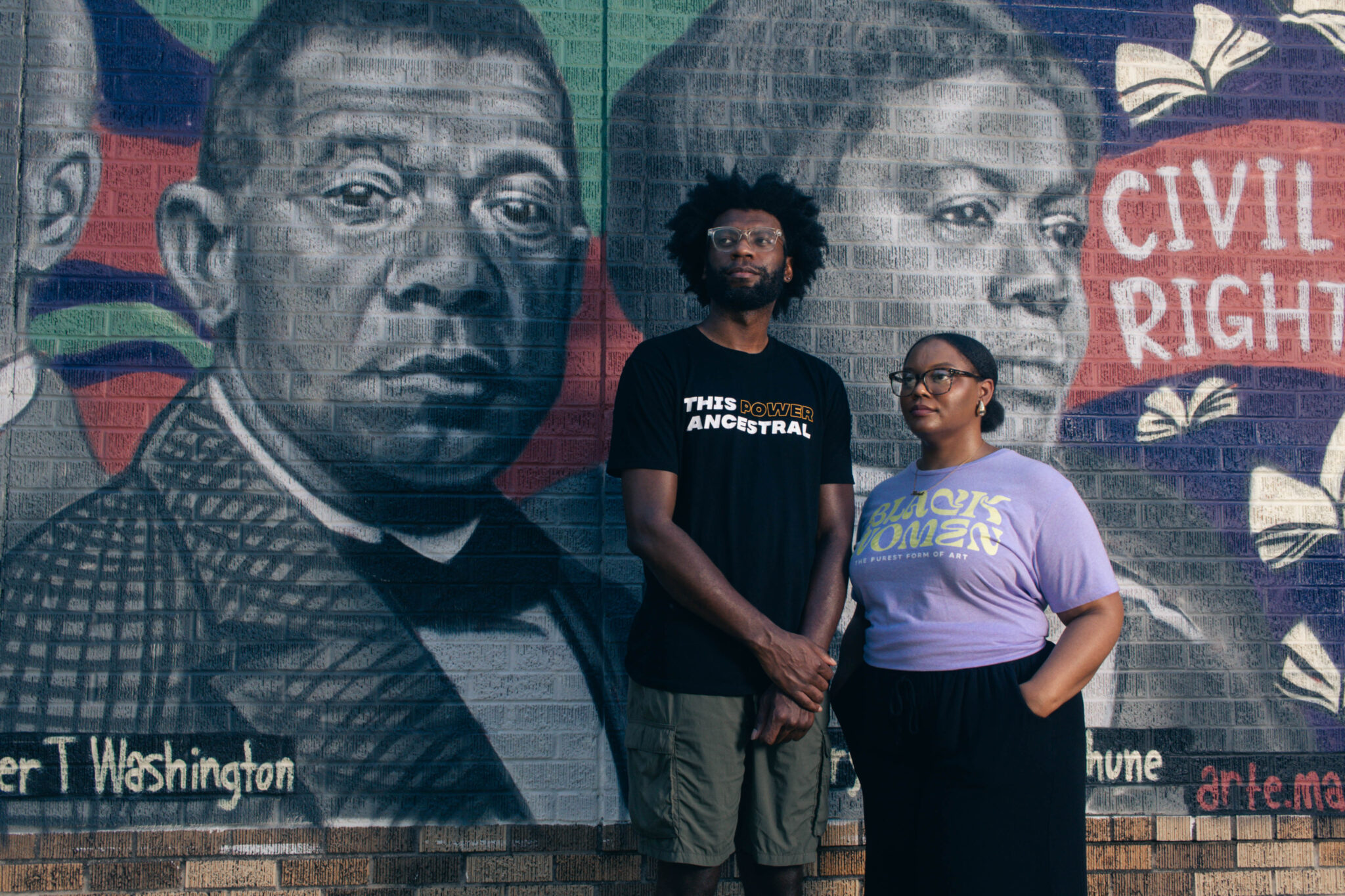
Photography by Amani Sodiq
The artifacts with the Library of Congress are just one portion of their Tenth Street focused work.
“We have different legs. It has different projects inside of it. One of them is the cemetery, and like figuring out who’s buried there … ‘If Tenth Street Could Talk’ is just like what we call our Tenth Street projects in general,” Rudd-Ridge says. “And we have specific areas, like we want to focus on its connections to Freedman’s Towns throughout Texas and in the U.S., and then we want to connect to specific people’s family history and then some of it is cemetery preservation.”
All that they compile comes together into a digital museum. To avoid the legalities of where to put it or who owns the information, they have the ability to use their skills as a tech company to keep their collection accessible in a unique way.
“The research and the findings and the storytelling are all ongoing and will continue to develop,” Brunson says. “One of the thoughts and eventual goals of our work in Tenth Street is multifold as well. One is to connect the stories, the people and places of the Tenth Street community to other places.”
The pair’s upcoming project is a national tour called “Preserve the Culture,” with Dallas planned to be their pilot city. Through community pop-ups, they’ll bring digitization material for folks to submit their own family photos and videos. Additionally, there will be cultural heritage workshops hosted to teach how to cook certain foods or learn certain games that are important to Black culture.
“Also estate planning, that’s something we saw that was very critical that came out of Tenth Street, and then our own personal journeys, too,” she says. “We learned how much of the land in Tenth Street was being lost to heirs property, which (is) people not knowing that they had received or that they’re the heirs of these homes in a historic district because of the loss of family history. Or not being able to pass it down via will or like too many people (were) involved in it. And then the house gets lost. It becomes a public nuisance.”
Although the Preserve the Culture tour won’t come until summer 2026, the Tenth Street Digital Museum will launch on Feb. 25.
An accompanying exhibit will also come to Tenth Street in the spring with a portion focusing on the history of Black businesses in Oak Cliff, projecting images onto the side of the last standing commercial building on North Cliff Street (which some of Rudd-Ridge’s family members formerly owned).
“Community work can be difficult. It can be difficult to get different players at the table, different community members, different advocates, adversaries, to talk to make things happen,” Brunson says. “There were lots of challenges that Tenth Street has faced over the years, from demolitions to house fires to you name it. But one rewarding thing has been while slow, we can see things turning around. We could see both glimmers of hope, but also light at the end of the tunnel.”
